Home Blog Page 91

Tajik family dies from domestic gas poisoning in Samara

0
0dqXR1uwkEQ

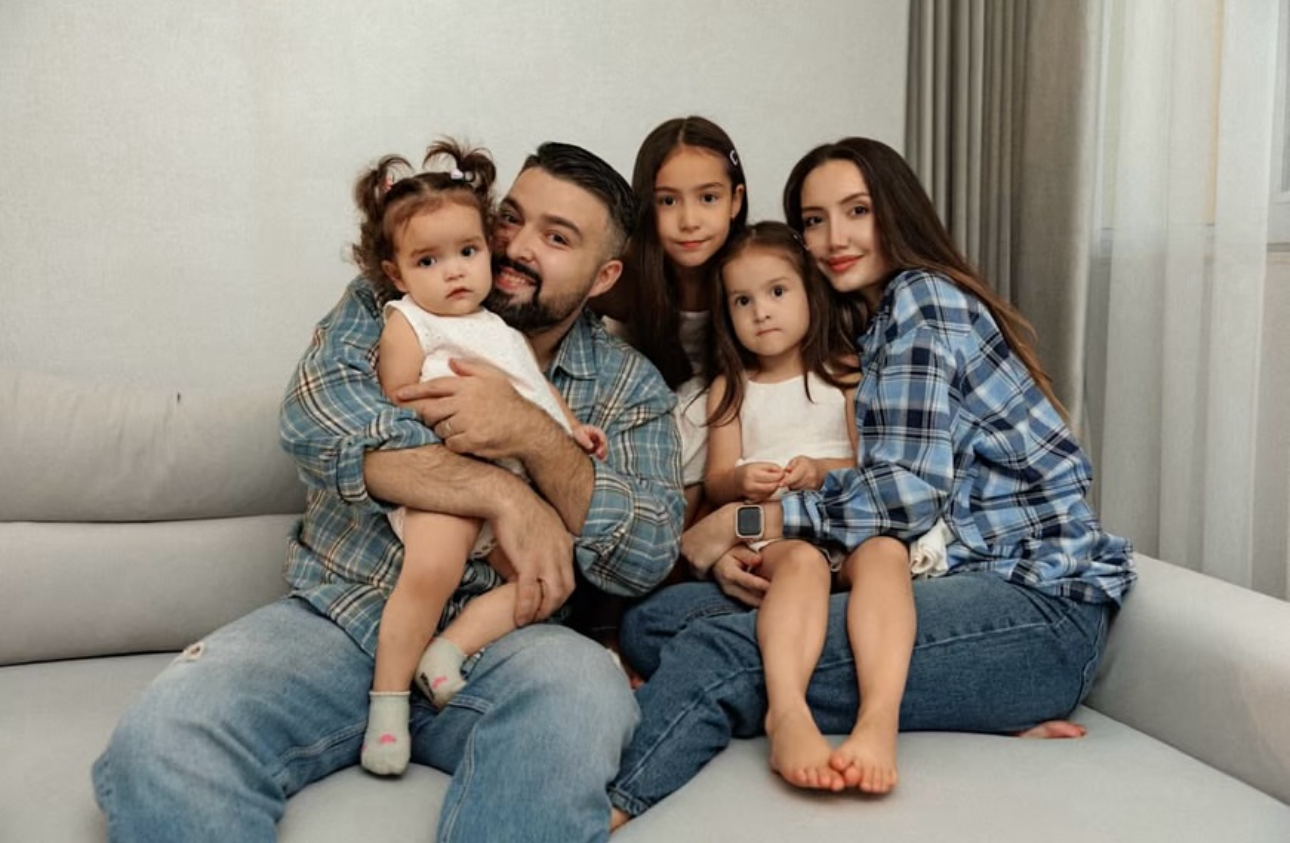
A family from Tajikistan has died from domestic gas poisoning in the Russian city of Samara. The incident occurred on January 7, but relatives learned of the tragedy only a day later, Radio Liberty’s Tajik Service, known locally as Radio Ozodi, reported, citing a close friend of the family.

According to the source, relatives in Tajikistan had been unable to reach the family for an extended period. Concerned relatives living in Samara later went to the apartment and, after forcing the door open, discovered the bodies.

Reports indicate that the woman was pregnant. All of the deceased were residents of the city of Bokhtar, the capital of Khatlon province. On January 11, their bodies were sent to Tajikistan for burial.

Relatives also said the family had previously suffered a tragedy. Last year, a fire in their Samara apartment claimed the life of their three-year-old son. Following that incident, the woman reportedly urged her husband several times to return to Tajikistan.

It is known that the family had purchased an apartment in a multi-story building in Bokhtar and was waiting for renovation work to be completed before permanently relocating to Tajikistan.

The incident has once again drawn attention to safety concerns related to home heating. With the onset of cold weather, residents of Tajikistan—particularly in rural areas—often rely on coal to heat their homes, frequently neglecting safety regulations.

In early December last year, a young couple died from carbon monoxide poisoning in the Rasht district of Tajikistan, in the village of Kulobai, Qalai Surkh jamoat. The couple, married just two months earlier, lit a coal stove overnight to heat their home. They were found unconscious the next morning and rushed to hospital but died en route. The man was 25 years old, and his wife was 18.

Tajikistan establishes National Theater as theater community voices concerns over possible consolidation

0

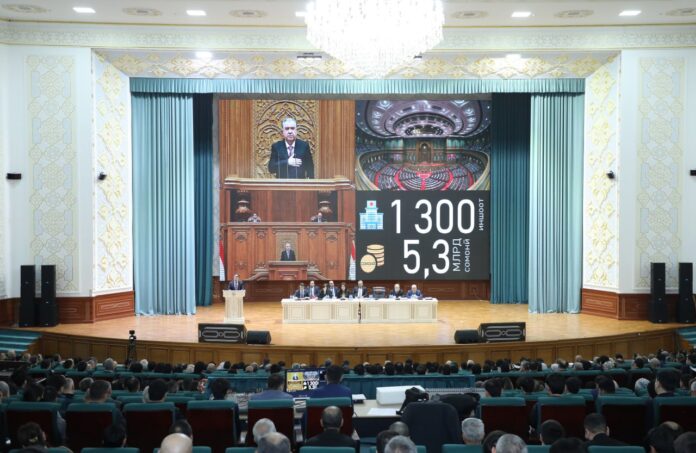
A National Theater has been officially established in the capital of Tajikistan by presidential decree. The newly created institution will operate under the authority of President’s Executive Office. While a director has already been appointed, the theater does not yet have a permanent building.

The decree establishing the National Theater was signed on December 1. The Ministry of Finance has been instructed to secure funding from the state budget and other sources, while the State Committee on Investment and State-owned Property Management (GosKomInvest) has been tasked with providing temporary premises until construction of the theater’s building is completed.

Construction of the National Theater building began in 2015 but was suspended in 2017 due to a lack of funding. Work resumed only in July 2024.

Following the announcement, Asia-Plus sought information on the theater’s artistic staff, but neither the Ministry of Culture nor the Executive Office of the President provided details. Calls to the GosKomInvest regarding the location of the temporary venue also went unanswered.

Currently, Tajikistan has 18 professional theaters: one in the Gorno-Badakhshan Autonomous Region (GBAO), seven in Sughd province, four in Khatlon province, and six in the city of Dushanbe.


Who will lead the National Theater

On January 7, 2025, President Emomali Rahmon appointed Manouchehr Sharifzoda as Director of the National Theatre. Since 2020, he had served as Deputy Minister of Culture.

Sharifzoda, 48, is a graduate of the Tajik Institute of Arts and the Russian-Tajik (Slavic) University. He began his career in 1994 and has worked in education, management, and economics. From 2015 to 2020, he headed the Ayni State Academic Opera and Ballet Theater.

Sharifzoda declined to comment in detail on the theater’s structure and future plans, promising to share information at a later date.


Reaction from theater professionals

Representatives of the Dushanbe-based drama theaters have voiced concerns over possible consolidation.

Abdukarim Mashrab, head of the Lohouti State Academic Drama Theater, said he had not received official information about the creation of the National Theater. However, he noted that celebrations marking the 35th anniversary of Tajikistan’s independence are expected to take place in the new building.
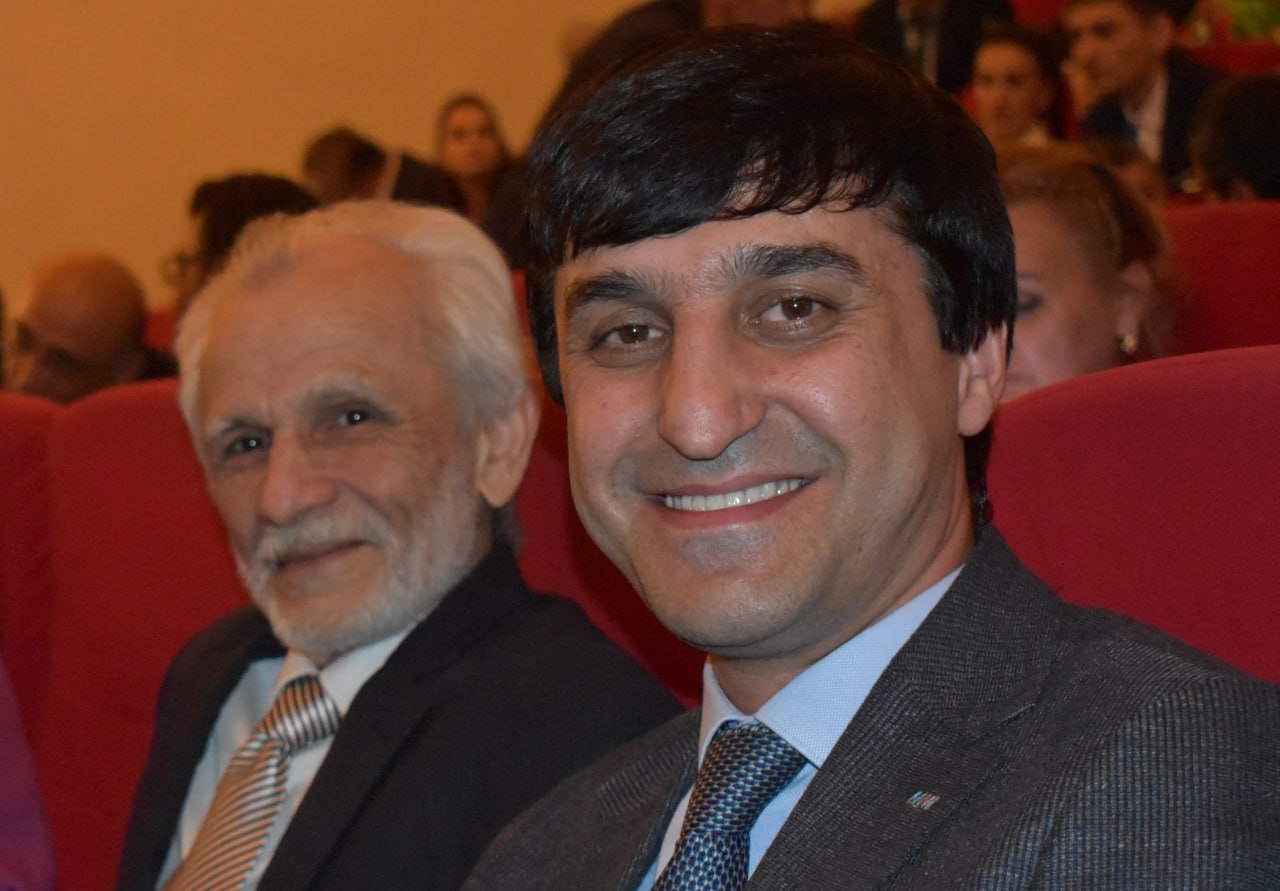
“At present, there are no orders to demolish the Lohouti Theater. It remains unclear whether we will stay in our current building or move to the National Theater. There were earlier discussions about housing several theaters in the new complex, but for now we are only involved in preparations for the anniversary celebrations,” Mashrab said.

He added that he has no information about whether his theater’s troupe would be divided following the establishment of the National Theatre.

People’s Artist of Tajikistan Qurbon Sobir also said he was unaware of the theater’s creation but expressed concern over rumors of merging all Dushanbe theatres into a single building.
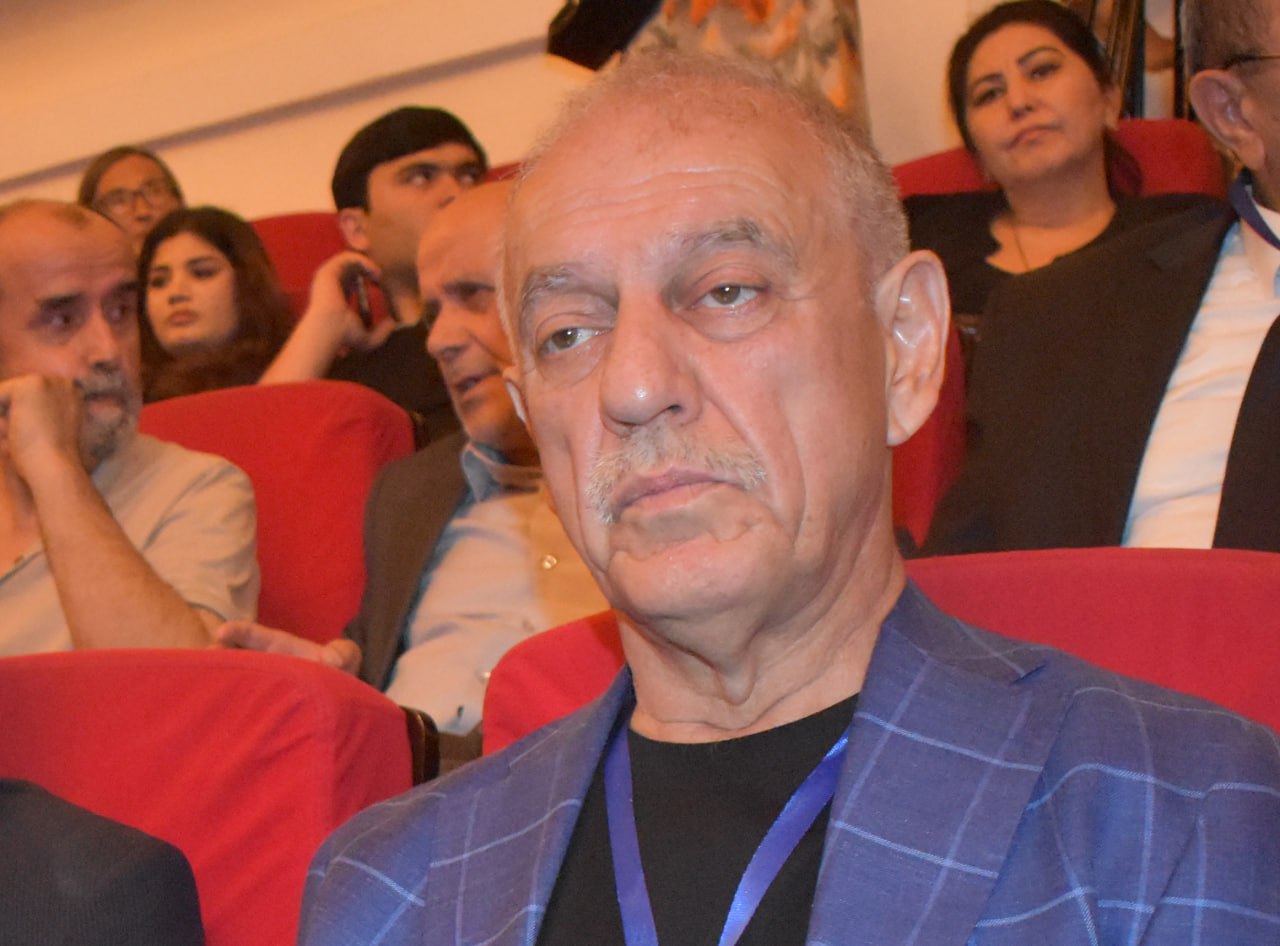
“We welcome the creation of the National Theater and hope it will foster the development of theatrical arts and promote our culture domestically and internationally. However, consolidating all capital theatres in one building would be a mistake and could lead to stagnation,” he said.

Five years earlier, People’s Artist of Tajikistan Ubaydullo Rajabov voiced similar concerns, warning that such consolidation would eliminate creative competition and hinder artistic progress.


Mandate of the National Theater

Asia-Plus obtained a copy of the National Theater’s charter. Under the document, the theatre’s director is appointed and dismissed by the president, while deputy directors and the chief accountant are appointed by President’s Executive Office. Other staff members are hired by the theater’s management.

The charter outlines the theater’s mission, including preserving and developing professional artistic traditions, staging theatrical productions and concert programs, promoting cultural heritage, representing national theatre at home and abroad, training specialists, and ensuring public access to the arts.

Concerts and cultural events will also be held at the theater, with authorization granted exclusively by the Executive Office of the President.


What the National Theater building will look like

The National Theater is being built near the National Flag Park in Dushanbe. The project includes two underground and five above-ground floors, with a total height of 34.5 meters.
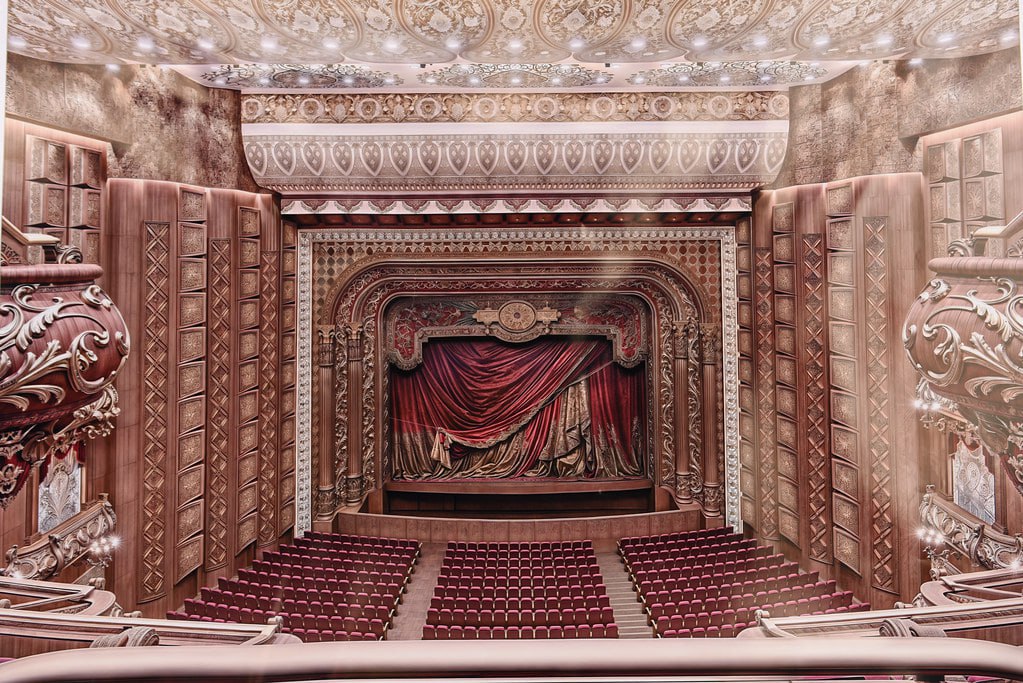
The building will house three large auditoriums with seating capacities of 2,500, 1,200, and 1,000, along with several smaller halls and service areas. The design includes an orchestra pit, side and rear stages, rehearsal halls, and training facilities.

Upper floors will accommodate art halls, workshops, and rehearsal spaces. An underground parking facility for nearly 250 vehicles is also planned. The total cost of construction is estimated at 680 million somonis.

Meanwhile, some experts say Tajikistan does not appear to have an abundance of theatergoers, nor does it need more theaters.

Thus, the 500-seat hall of Dushanbe’s Abulqosim Lohouti Academic Theater is reportedly often nearly empty.  Only when school groups come, it is half full.   It is a similar story at other theatres in Dushanbe.

Theater lovers say the end of state subsidies after the fall of the Soviet Union left drama troupes and art schools underfunded.

Who Emomali Rahmon criticized — and praised — in 2025

0

Throughout 2025, Tajikistan’s President Emomali Rahmon used various public platforms to criticize certain government bodies while also commending others for their contributions. Below is a selection of the year’s most notable remarks.


Judiciary under scrutiny again

On March 4, during a meeting with newly appointed officials in the judiciary and prosecutor’s offices, Rahmon criticized shortcomings in the justice system — particularly delays in case processing, lack of fairness, and the need to uphold the rule of law.

He stressed the importance of improving personnel selection and qualifications, and taking tough measures against corruption. Judges were given two years to learn foreign languages, including Russian and English.

This was not the first time Rahmon had publicly criticized judges — in late 2024, he said they generated the highest number of citizen complaints.


Regional leaders draw presidential criticism

On May 17, at a government meeting in Danghara, Rahmon expressed dissatisfaction with the performance of regional authorities in sectors like agriculture and industry.

He pointed to the failure to produce school uniforms in many areas as a major concern. He also criticized low performance in cotton and potato planting, as well as tax revenue collection shortfalls in five districts: Sangvor, Levakant, Yovon, Panjakent, and Ishkashim.

He tasked the Ministry of Finance and the Tax Committee with taking urgent corrective measures.


Education: familiar issues, renewed directives

Speaking at the “Lesson of Peace” event, Rahmon once again addressed chronic problems in education: shortages of teachers, schools, kindergartens, and textbooks. He instructed authorities to increase preschool enrollment to 50% by 2030.

In 2024, he had already given the Education Ministry two years to resolve these persistent issues.


Entrepreneurs praised, ministers scolded

In his annual address to parliament, Rahmon praised entrepreneurs for building schools, roads, and social facilities without seeking publicity — contrasting them with certain international organizations and domestic officials.

“Entrepreneurs don’t advertise themselves like some do, handing over a sack of flour and boasting about helping Tajiks,” he said, adding that ministers often follow the president just to be seen.


Roghun HPP builders commended

On August 27, Rahmon met with workers of the Roghun Hydropower Plant and praised their unwavering commitment. He described the construction project as a symbol of national pride and statehood.

He noted that over 18,300 people — including more than 1,000 women — were working on the site, demonstrating remarkable dedication.


Youth: the future of the nation

In his Youth Day message, Rahmon expressed confidence in the younger generation, highlighting their role in national security, defense, and the development of sports.

“I fully trust your intellect, courage, and strength. You are the children of Tajikistan’s independence,” he said.

Trump announces plans for US ground operation against Mexican drug cartels

0

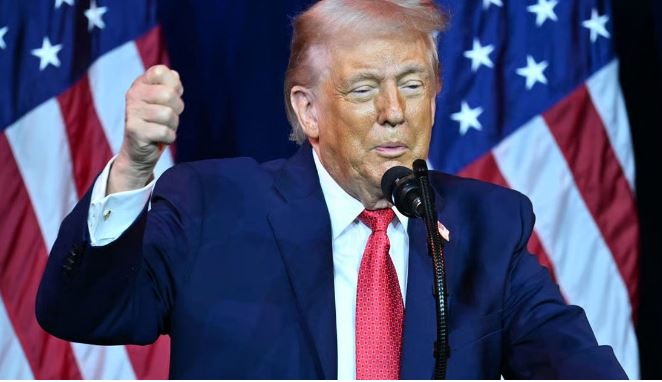
US President Donald Trump has announced that American military forces may soon carry out ground operations targeting drug cartels inside Mexico. He made the statement during an interview on Fox News, which was published on January 8. According to Trump, the US has “virtually shut down” maritime drug routes — including those from Venezuela — and will now shift focus to stopping land-based smuggling across the southern border. “The cartels practically control Mexico. They are responsible for the deaths of hundreds of thousands of Americans every year,” he said. Trump did not provide details on the timeline, structure, or scale of the proposed military actions.

“We've knocked out 97 percent of the drugs coming in by water, and we are going to start now hitting land," Trump told Fox News host Sean Hannity. "The cartels are running Mexico, it’s very sad to watch and see what’s happened to that country."

"They’re killing 250,000, 300,000 in our country every single year."

He did not provide any details regarding the timeline, scope, or structure of the proposed operations.

The appearance marked the president’s first sit-down interview since Maduro’s capture.

Trump praised the U.S. military personnel involved in the Venezuelan operations, offering admiration for what he called a "fantastic group" that carried out the mission.

The president also explained the "Donroe Doctrine" – a term some of his admirers have created for his brand of foreign policy.

"Well, they call it the ‘Donroe’ –  I didn't call it that, but they are calling it the Monroe Doctrine. And now they call it ‘The Donroe,’ which is basically safety for this part of the world. And yeah, I mean, it's pretty simple: We don't want drugs pouring into our country," Trump said. "We don't want bad people coming into our county, like happened for four years under Biden, who was the disgraced worst president in the history of our country – horrible. We had some other bad ones. Let me tell you, Obama was a terrible president. The divisiveness and the hatred that was caused – many of the people allowed into the country."

Trump touted oil as one of the many wins for America stemming from Maduro’s takedown, in addition to Venezuela agreeing to release all political prisoners.

"[Venezuela] They’ve been great. They really have been. I mean, everything we’ve wanted, they’ve given us," Trump told Fox News.

Revenue generated from Venezuelan oil will reportedly be used to benefit both the Venezuelan people and the United States.  And, Trump said, the oil is worth "billions and billions."

Meanwhile, Euronews points out that any military action on Mexican soil without the country’s consent would constitute a violation of international law and would represent an unprecedented move against a close US ally and major trading partner.

Trump has previously stated that he bases decisions not on international law, but on what he considers his own moral principles.

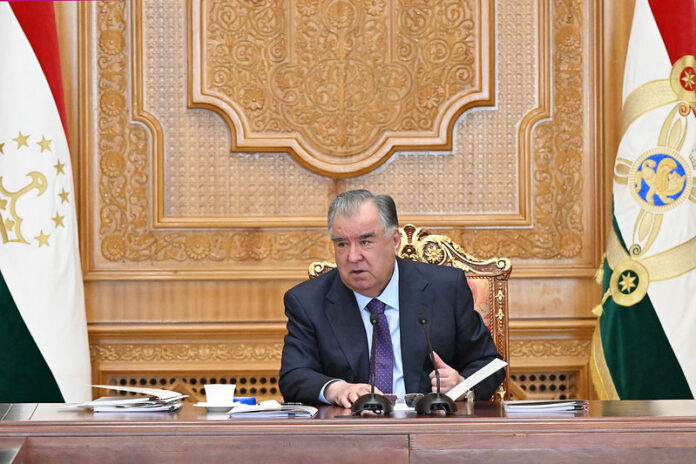
Emomali Rahmon shakes up police officials

0
2

President Emomali Rahmon has made senior appointments in the Interior Ministry, according to the President Emoali Rahmon’s  official websote. .  

President Emomali Rahmon has made senior appointments in the Interior Ministry, according to the President Emoali Rahmon’s  official websote. .  

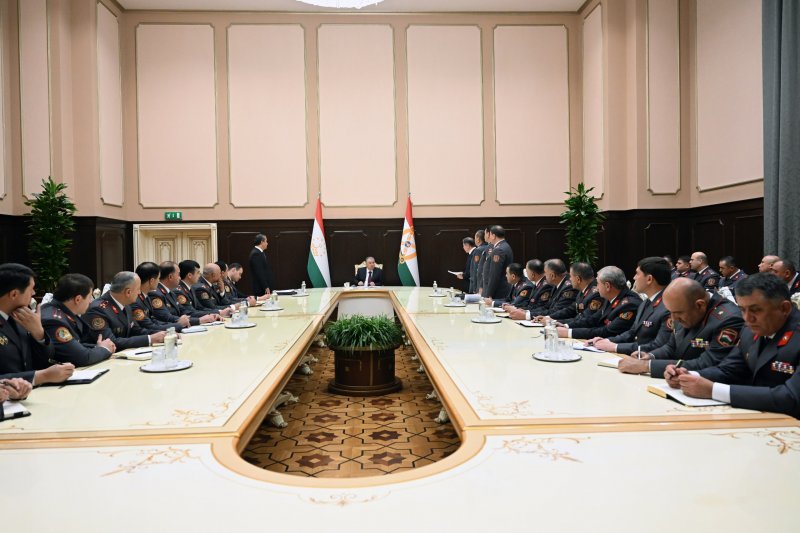
On January 9, President Emomali Rahmon held a meeting with officials newly appointed to senior positions within Tajikistan’s Ministry of Internal Affairs, during which a wide range of personnel changes were approved across the ministry’s central and regional structures.

According to the president’s website, reshuffle affected leadership roles in the Interior Ministry’s central apparatus, regional departments, and transport units.

Notably, Deputy Minister of Internal Affairs Akbar Nasimzoda was relieved of his post due to retirement. He was replaced by Bahodour Kholiqzoda.

New appointments also included the chief of staff to the minister, heads of internal security, narcotics control, special units, and the zonal department for the Kulob region of Khatlon province. Other changes involved the national coordinator for police reform and the head of Tajikistan’s National Central Bureau of Interpol.

Personnel changes were made in local police departments in the cities and districts of Kulob, Abdurahmon-Jomi, Farkhor, Khovaling, Temurmalik, Jaloliddin-Balkhi, Vahdat, Roudaki, Fayzobod, Khujand, Jabbor-Rasoulov, Bouston, Zafarobod, Asht, Isfara, Bobojon-Ghafourov, Roshtqala, and the capital’s Somoni and Shohmansour districts.

Updates also affected the Interior Ministry’s transport divisions — including units at Dushanbe International Airport, the railway system, and the Interior Ministry’s office in Sughd province.

The president’s office emphasized that the newly appointed officials are young yet experienced professionals in the field.

During the meeting, Emomali Rahmon urged the newly appointed leaders to serve the nation with integrity and professionalism, to strictly uphold the law, and to promote legal awareness both within the police force and among the public.

He also stressed the importance of principled action in fighting crime — particularly transnational organized crime and drug trafficking, including the spread of synthetic substances.

The president reiterated that national interests, public safety, and peaceful life for citizens must always remain top priorities.

during which a wide range of personnel changes were approved across the ministry’s central and regional structures.

According to the president’s website, reshuffle affected leadership roles in the Interior Ministry’s central apparatus, regional departments, and transport units.

Notably, Deputy Minister of Internal Affairs Akbar Nasimzoda was relieved of his post due to retirement. He was replaced by Bahodour Kholiqzoda.

New appointments also included the chief of staff to the minister, heads of internal security, narcotics control, special units, and the zonal department for the Kulob region of Khatlon province. Other changes involved the national coordinator for police reform and the head of Tajikistan’s National Central Bureau of Interpol.

Personnel changes were made in local police departments in the cities and districts of Kulob, Abdurahmon-Jomi, Farkhor, Khovaling, Temurmalik, Jaloliddin-Balkhi, Vahdat, Roudaki, Fayzobod, Khujand, Jabbor-Rasoulov, Bouston, Zafarobod, Asht, Isfara, Bobojon-Ghafourov, Roshtqala, and the capital’s Somoni and Shohmansour districts.

Updates also affected the Interior Ministry’s transport divisions — including units at Dushanbe International Airport, the railway system, and the Interior Ministry’s office in Sughd province.

The president’s office emphasized that the newly appointed officials are young yet experienced professionals in the field.

During the meeting, Emomali Rahmon urged the newly appointed leaders to serve the nation with integrity and professionalism, to strictly uphold the law, and to promote legal awareness both within the police force and among the public.

He also stressed the importance of principled action in fighting crime — particularly transnational organized crime and drug trafficking, including the spread of synthetic substances.

The president reiterated that national interests, public safety, and peaceful life for citizens must always remain top priorities.

Tajik citizen extradited from Azerbaijan to homeland

0

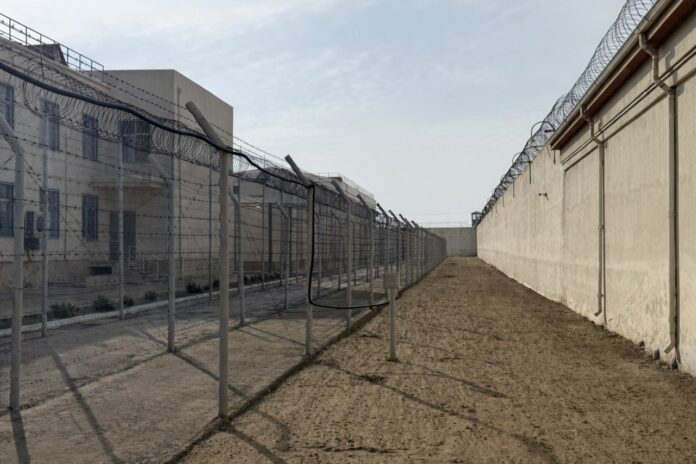
Muhammadnido Nazarmuhammadzoda, a citizen of Tajikistan who was previously detained in Azerbaijan, has been extradited to his home country and handed over to the relevant authorities in Tajikistan under special escort.

Azerbaijani media, citing the General Prosecutor’s Office of Azerbaijan, say the extradition was carried out following a formal request from the Tajikistan’s Prosecutor-General’s Office, which was approved by the Azerbaijani side.

Nazarmuhammadzoda, born in 1992, had been placed on the international wanted list on charges of fraud. He was located and arrested in Azerbaijan in 2025.

The extradition was conducted in accordance with the Convention on Legal Assistance and Legal Relations in Civil, Family, and Criminal Matters, dated October 7, 2002.

Azerbaijan’s Prosecutor-General’s Office emphasized that cooperation between the law enforcement agencies of Azerbaijan and Tajikistan in combating crime continues within the framework of existing international agreements.

Tajik somoni strengthens against the dollar and the euro in 2025, weakens slightly to the Russian ruble

0

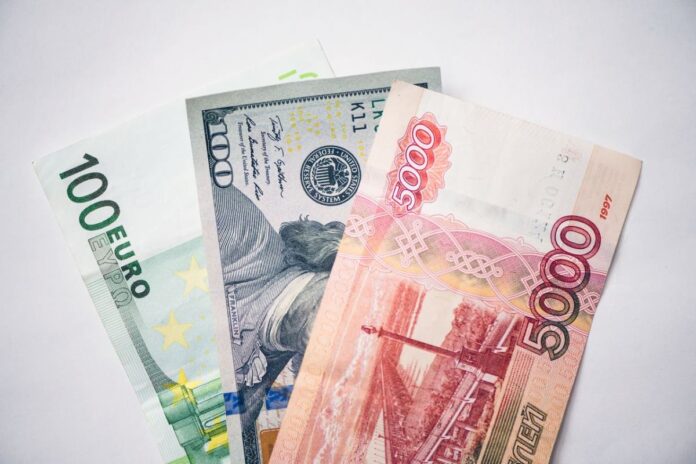
In 2025, Tajikistan's national currency, the somoni, appreciated against the US dollar and the euro but weakened slightly against the Russian ruble.

According to data from the National Bank of Tajikistan (NBT), the official exchange rate for the dollar fell by 15.4% — from 10.9355 somonis per 1 USD on January 1, 2025, to 9.2470 somonis on the same date in 2026.

The rate against the euro declined by 4.6%, from 11.3828 to 10.8578 somoni.

In contrast, the ruble appreciated by 2.5% — from 0.1109 to 0.1137 somoni per 1 ruble.

As of January 9, 2026, the official exchange rates are:

·         1 USD — 9.3086 somoni

·         1 EUR — 10.8706 somoni

·         1 RUB — 0.1157 somoni


Floating exchange rate policy

According to the "Main Directions of Monetary Policy for 2026 and the Medium-Term Period," the NBT will maintain a floating, managed exchange rate regime, without predefined limits on fluctuations.

The somoni's rate will be determined by supply and demand on the domestic foreign exchange market, alongside its real effective exchange rate index — aimed at reducing the impact of negative external factors.

The NBT reserves the right to intervene in the market only in exceptional cases.

The official exchange rate is not used for commercial currency exchange but serves official purposes, such as:

·         accounting in public institutions,

·         calculating customs duties,

·         pricing imports and exports,

·         compiling official statistics,

·         and determining taxes and fees where legally required to be based on the official rate.

How Tajikistan’s farmers are adapting to climate change

0

How is climate change affecting the daily lives of Tajik farmers? How is agriculture transforming? And what technologies are helping local farmers adapt their crops to increasingly unpredictable weather? Our photo report by  explores these pressing questions.


Greenhouse farming: turning challenges into opportunity

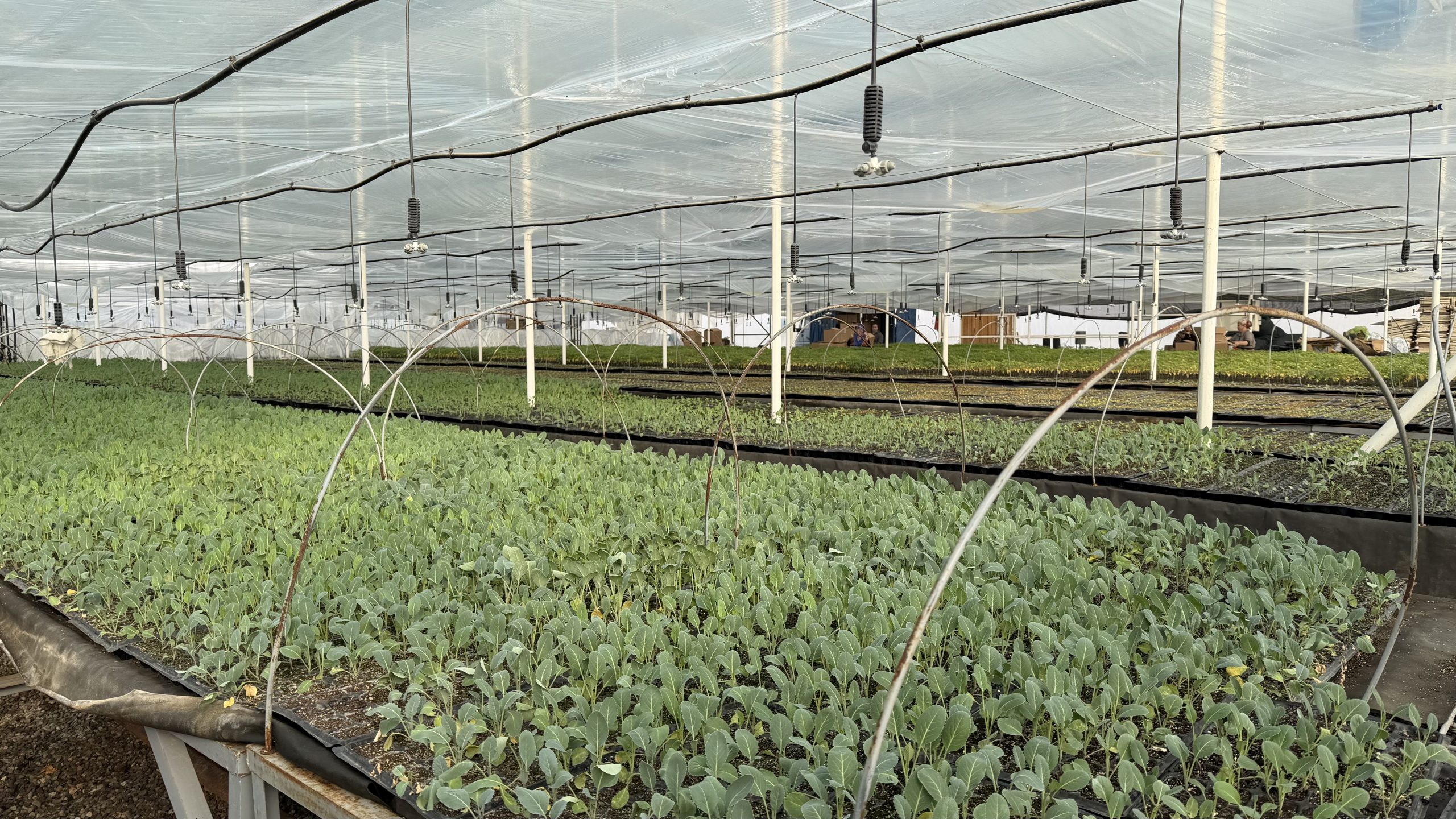
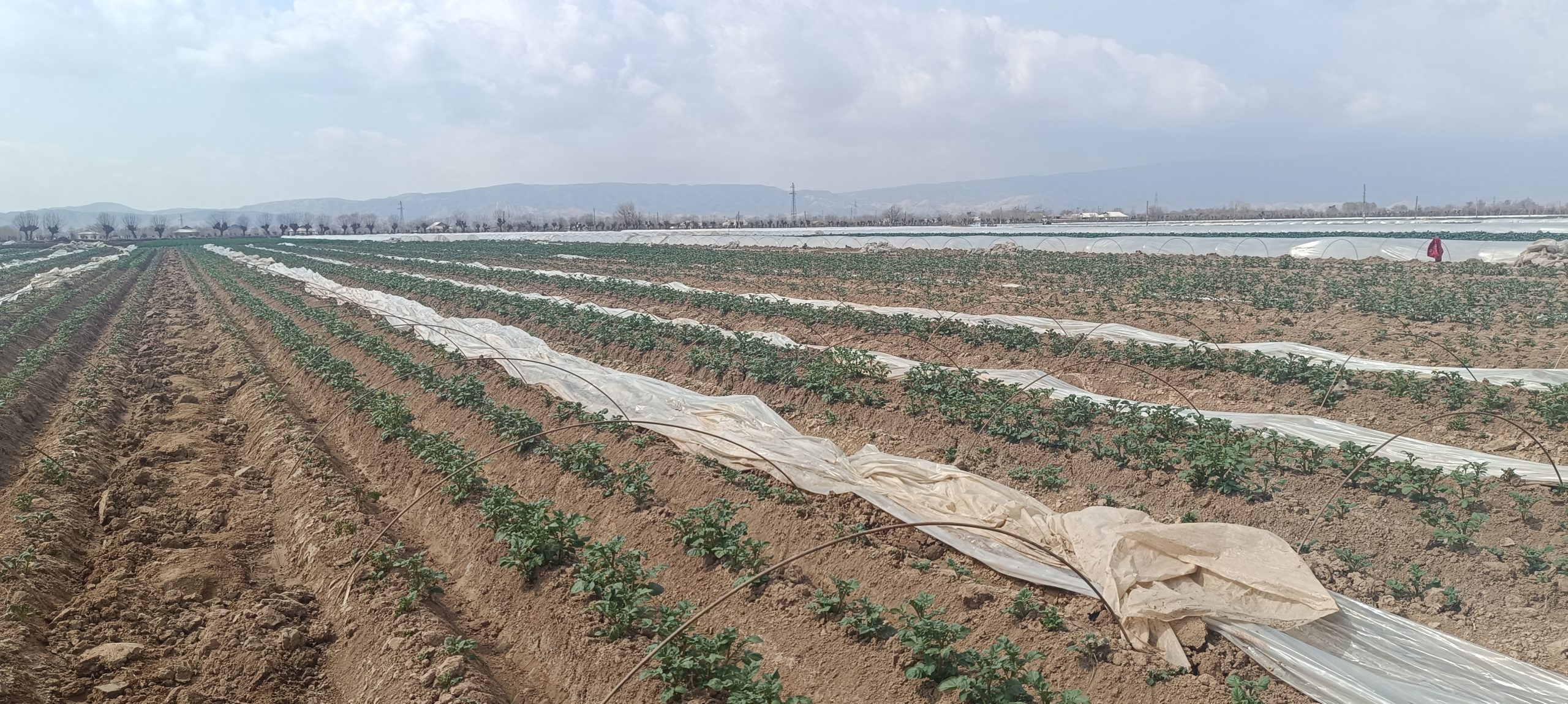
In these modern greenhouses, every drop of water and every seed matters. Using plastic sheeting, farmers control harsh weather conditions — turning cold into warmth, moderating intense heat, and overcoming drought to ensure reliable harvests.

Where greenhouses were once used primarily to shield crops from winter frost, they have now become a year-round solution — a key strategy in adapting to a changing climate. No longer just shelters, they are now tools for survival and success in agriculture.

Photos taken in December show how greenhouses operate during the cold season. In summer, they serve as protective shields — with shading nets, ventilation, and drip irrigation systems keeping crops safe from extreme heat and dryness.


Drip irrigation: a lifeline in times of drought

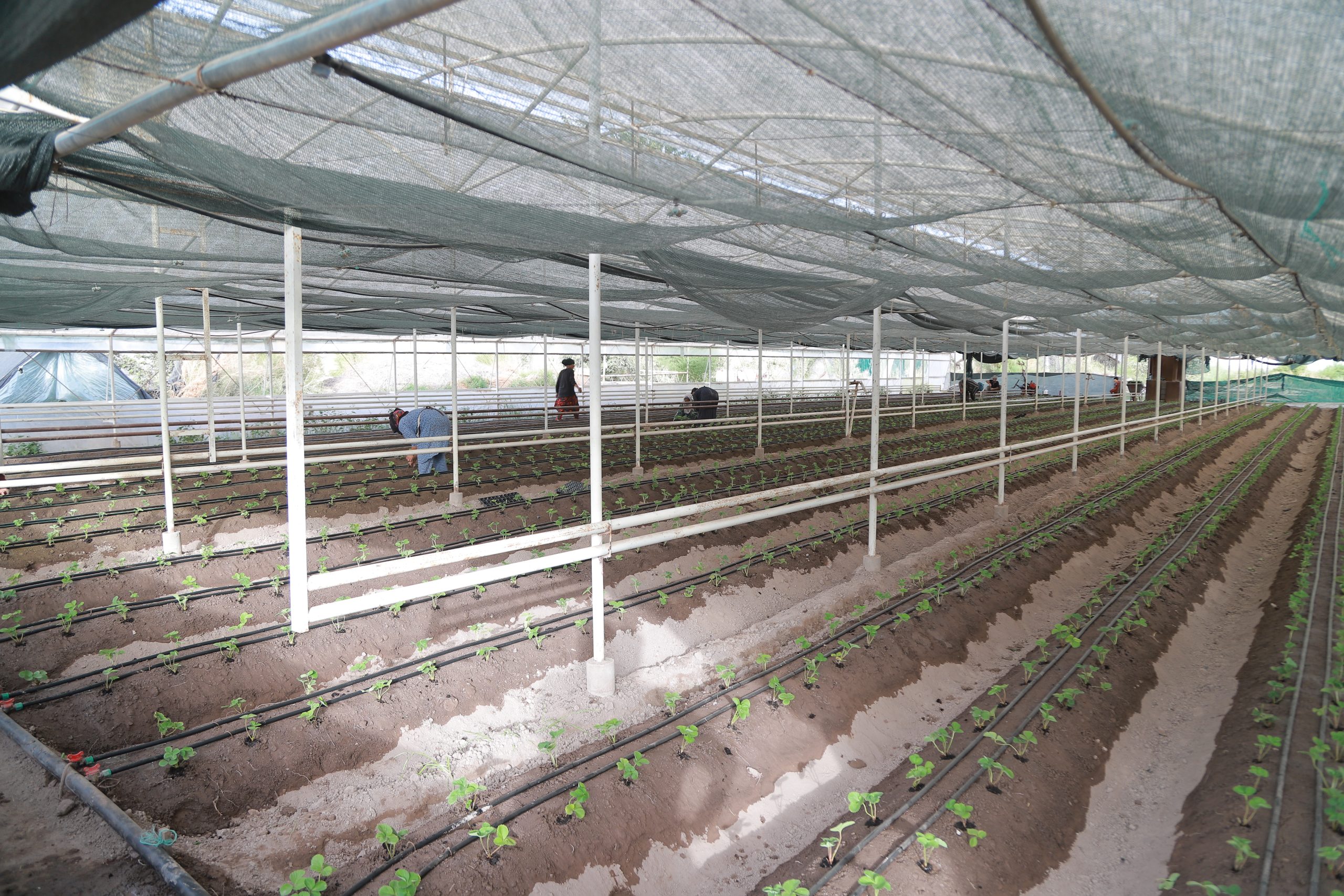
Lands that had remained uncultivated for decades are now fertile again — all thanks to drip irrigation. This system delivers water directly to plant roots, minimizing waste and making dry soil productive once more.

For Tajik farmers, drip irrigation is a game-changing tool, enabling them to fight back against climate shifts while maximizing both water and land efficiency.


Protection from heat and unexpected rain

In addition to plastic coverings, farmers use protective fabrics to shield crops from excessive sun, temperature swings, and sudden downpours.

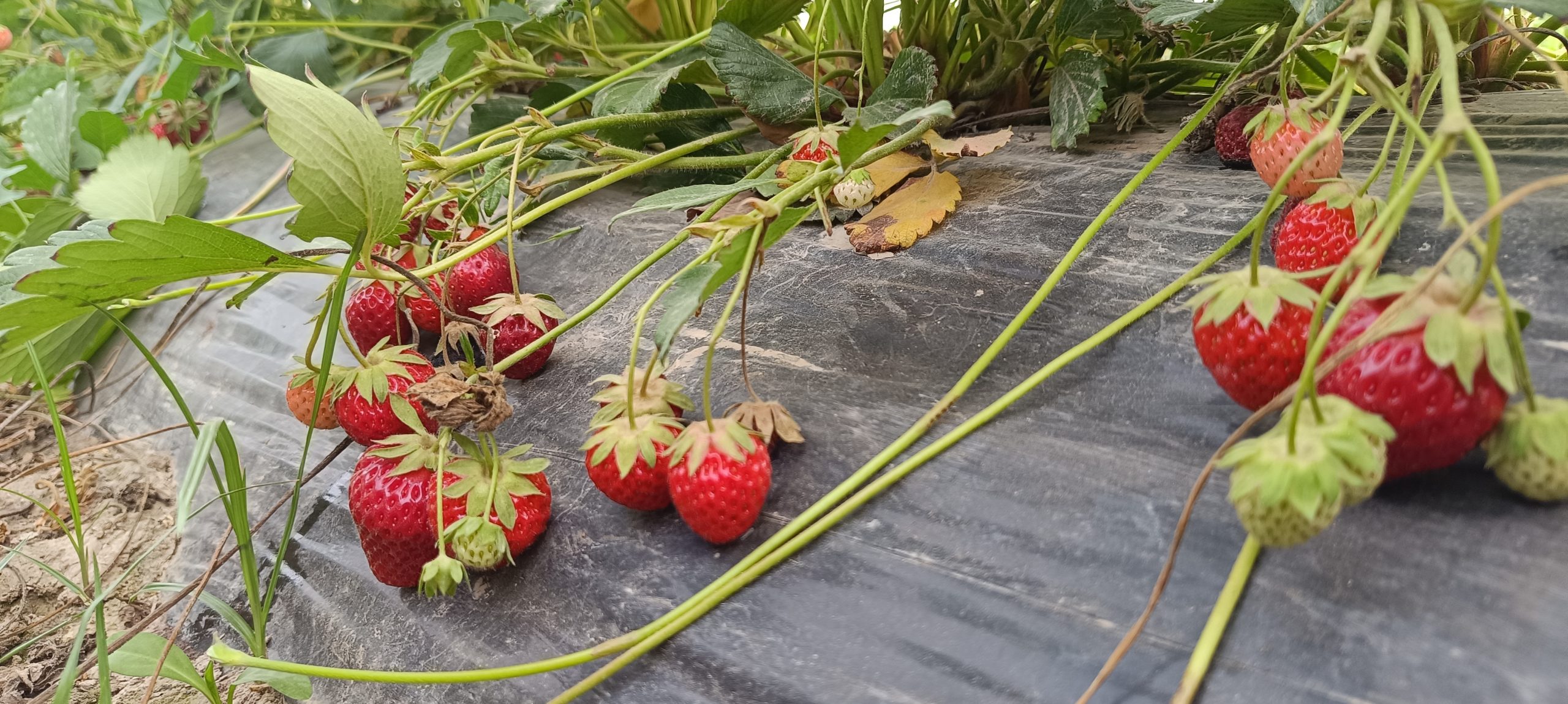
This approach is especially helpful when growing sensitive fruits like strawberries, which are vulnerable to rot and spoilage in unpredictable weather.


Tropical fruits thriving in a non-tropical climate

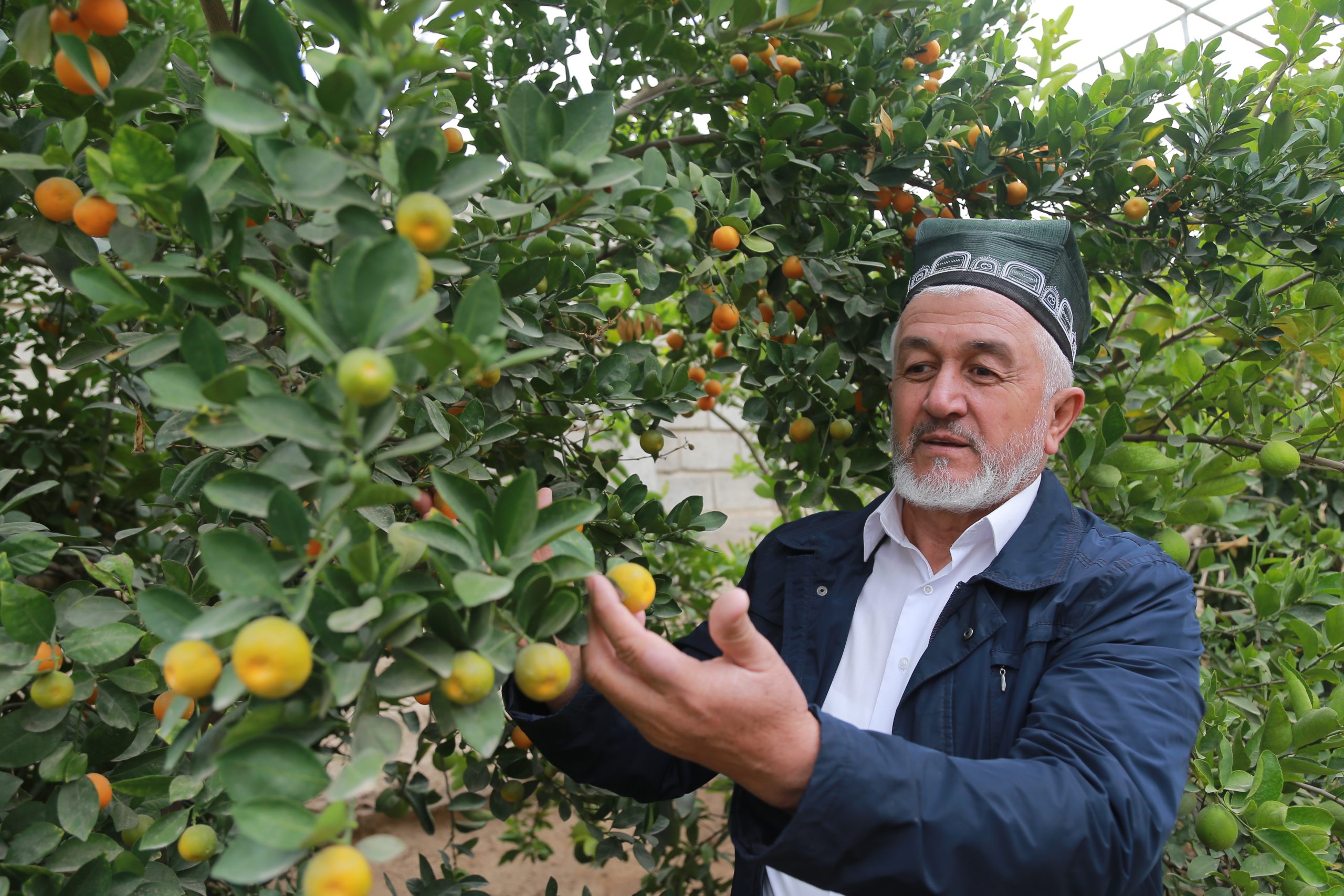
Climate change has prompted Tajik farmers to explore new crops. Today, even in non-tropical regions, bananas, grapefruits, mandarins, limes, and kiwis are being successfully cultivated.

Thanks to modern technology, farmers can now recreate the necessary environment for these fruits to grow and bear fruit consistently.

The photos vividly illustrate how innovation and experience allow for sustainable tropical harvests in changing climates.


Pomegranates and mushrooms grown under control

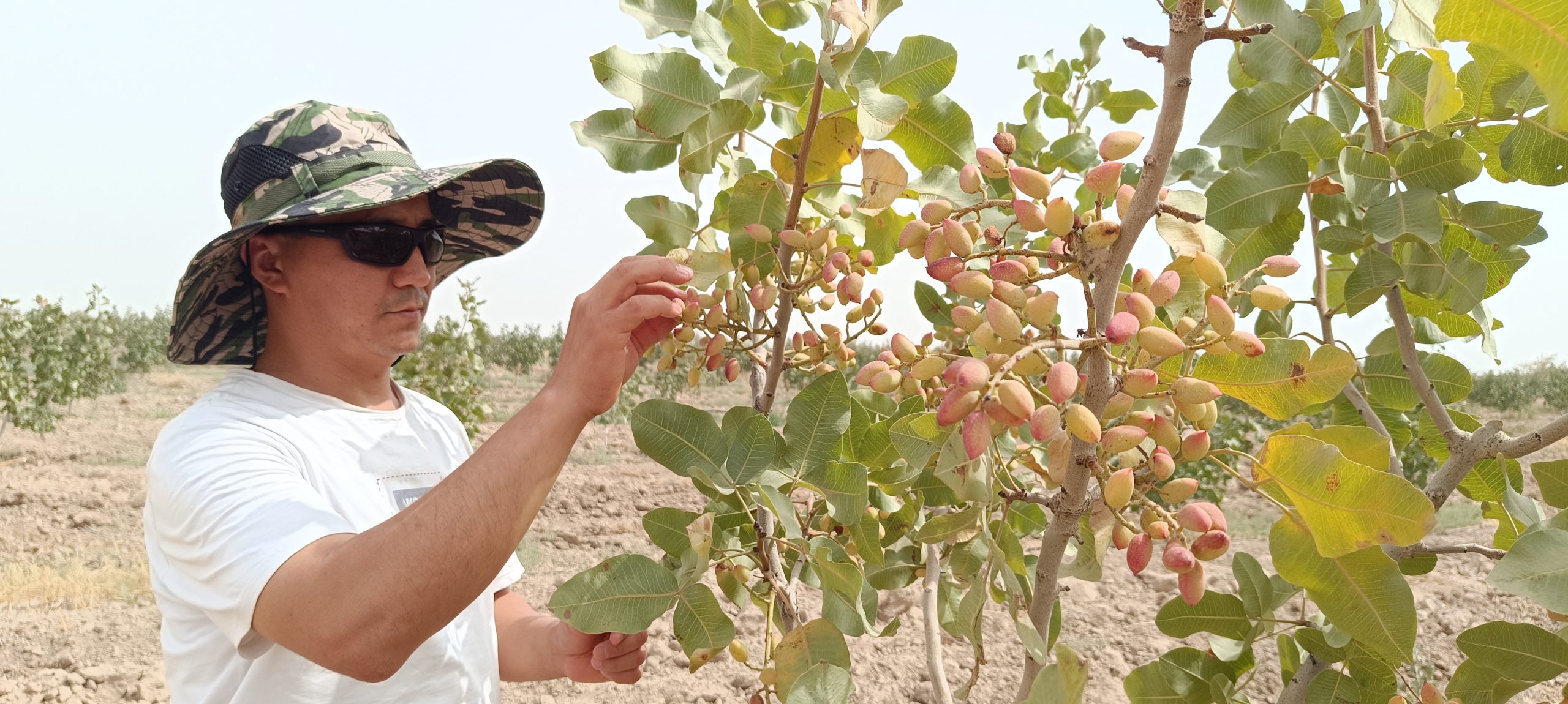
In the Khatlon region, dry winters and shifting weather patterns threaten crops like pomegranates. To protect their yield, farmers now grow them in greenhouses, shielding the plants from cold and pests.

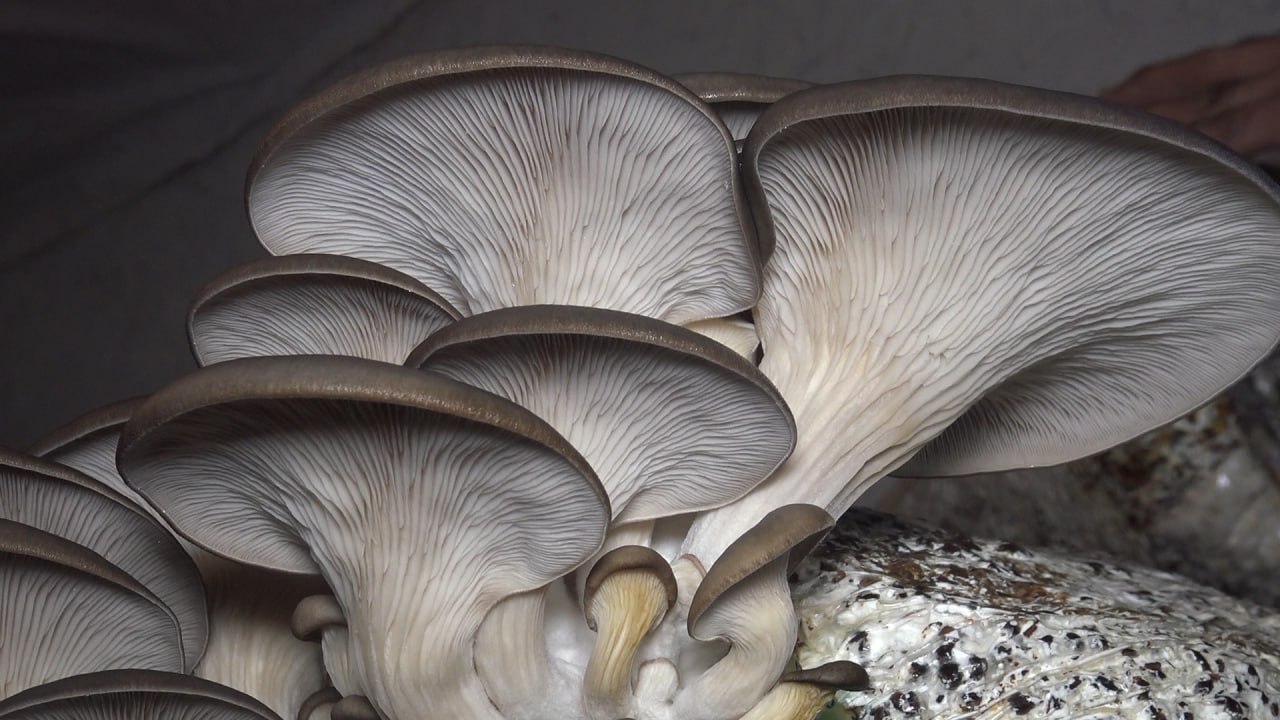
Mushrooms also thrive in artificial environments, ensuring local markets are supplied not only in spring but throughout winter as well.


Pumpkins under protection

With the help of modern farming techniques, Tajik farmers have created stable growing conditions for pumpkins, shielding them from the influence of nearby crops, temperature fluctuations, and climate stressors.


Potatoes — no longer just a late spring crop

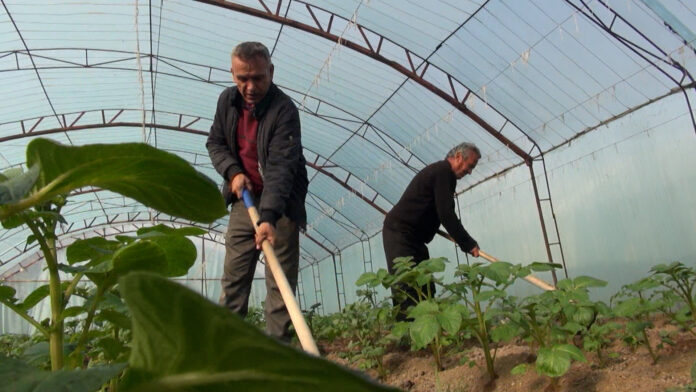
Traditionally, potatoes were planted in winter and harvested in late spring. Today, greenhouses allow for an earlier harvest — sometimes as early as early spring.

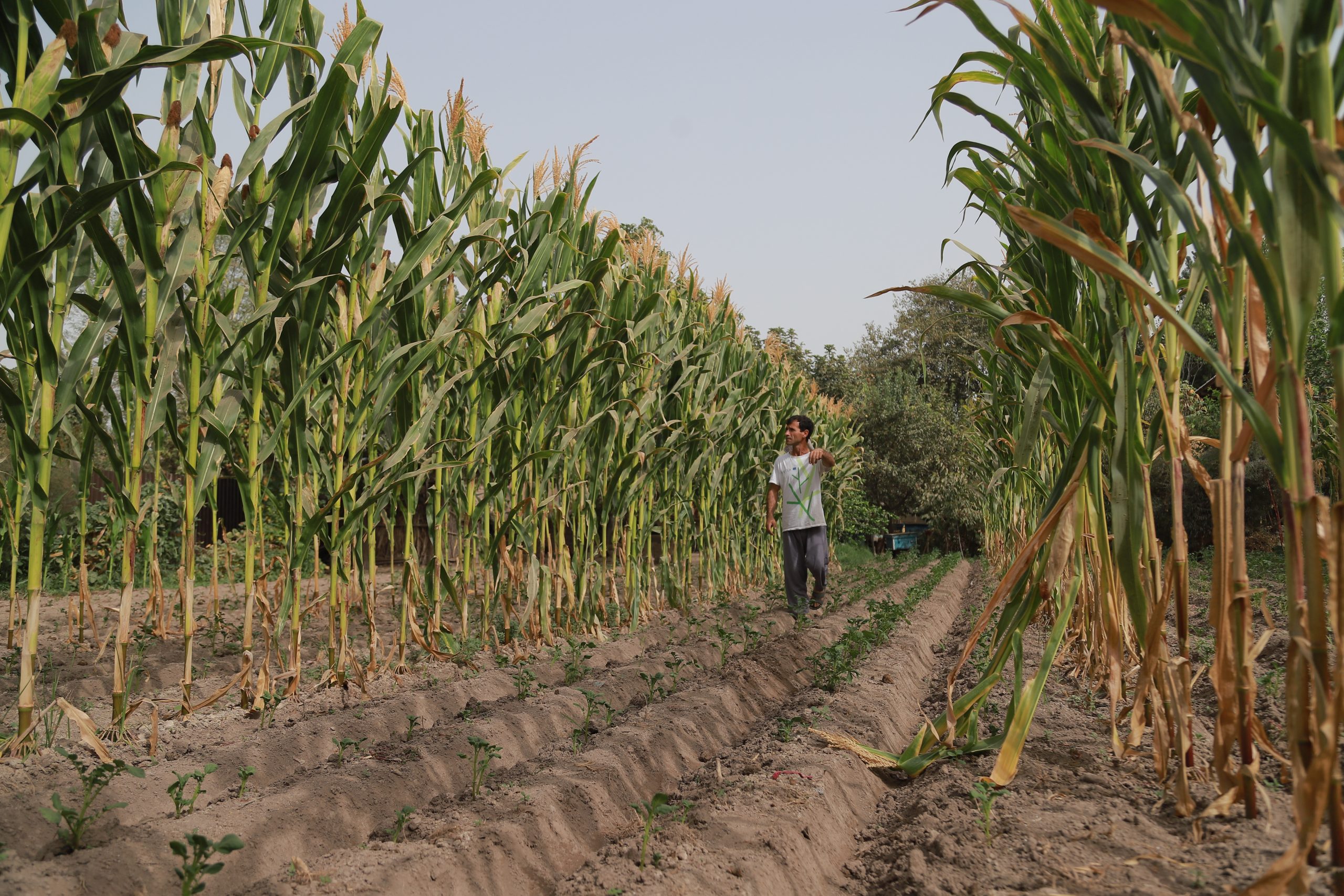
In a second planting cycle, potatoes are grown between rows of corn. The corn provides shade, helping to reduce heat stress on the potato crop. This intercropping method improves land use efficiency and promotes higher yields.


Climate-resilient seeds and varieties

Even cotton farming — a cornerstone of Tajik agriculture — has had to adapt. Climate-resilient local varieties and advanced planting methods are helping farmers maintain their yields.

To combat spring rains and summer heat, farmers plant cotton in double rows, use drip irrigation, and cover the crops with plastic sheeting. These techniques enable them to continue producing cotton reliably, even under challenging conditions.

All featured photos were taken in the outskirts of city of Bokhtar, the capital of Khatlon province.

VIPzone winter issue: key faces, trends, and stories of 2025

0

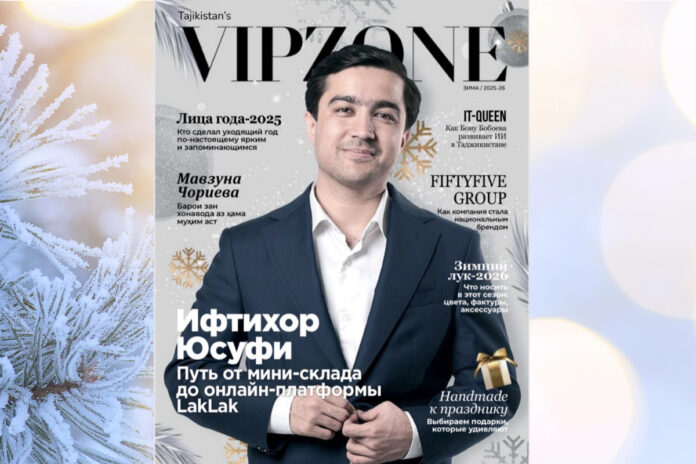
The latest edition of VIPzone magazine features the brightest events, people, and ideas shaping the modern lifestyle of Tajikistan. Every page offers a vivid narrative about individuals, projects, and moments that make everyday life more dynamic and inspiring.


Where to find VIPzone

You can now purchase the new issue not only at “Yovar,” “Tim,” and “Shohon” supermarkets in Dushanbe as well as in Khujand-based  “Amid” supermarket in Khujand but also at the Asia-Plus office in Dushanbe, located at 14/21 Mirzo Tursunzoda Street. For inquiries, call: 41-41.


What’s inside

This winter edition includes everything that makes the season special — in-depth interviews, compelling stories, and guides to the most exciting places. A highlight of the issue is the special feature “Faces of 2025,” spotlighting individuals who shaped last year’s agenda — those whose decisions left a significant mark on society.


Cover story: Iftikhor Yusufi and the rise of LakLak

Gracing the cover is Iftikhor Yusufi, founder of the LakLak marketplace.

His journey tells how a small Instagram shop evolved into a major platform that is transforming online shopping in Tajikistan. In the interview, Iftikhor shares his business philosophy, key growth decisions, and his belief that understanding people and processes matters just as much as numbers in entrepreneurship.


FIFTYFIVE GROUP: turning ideas into industries

Also featured is the story of FIFTYFIVE GROUP. CEO Samariddin Shoyev talks to VIPzone about how visionary ideas become large-scale projects, creating new opportunities and unlocking the potential of entire industries.


Stories that redefine meaning

This edition is rich with stories of people from diverse fields, all united by a passion for their work and a desire to transform their surroundings.

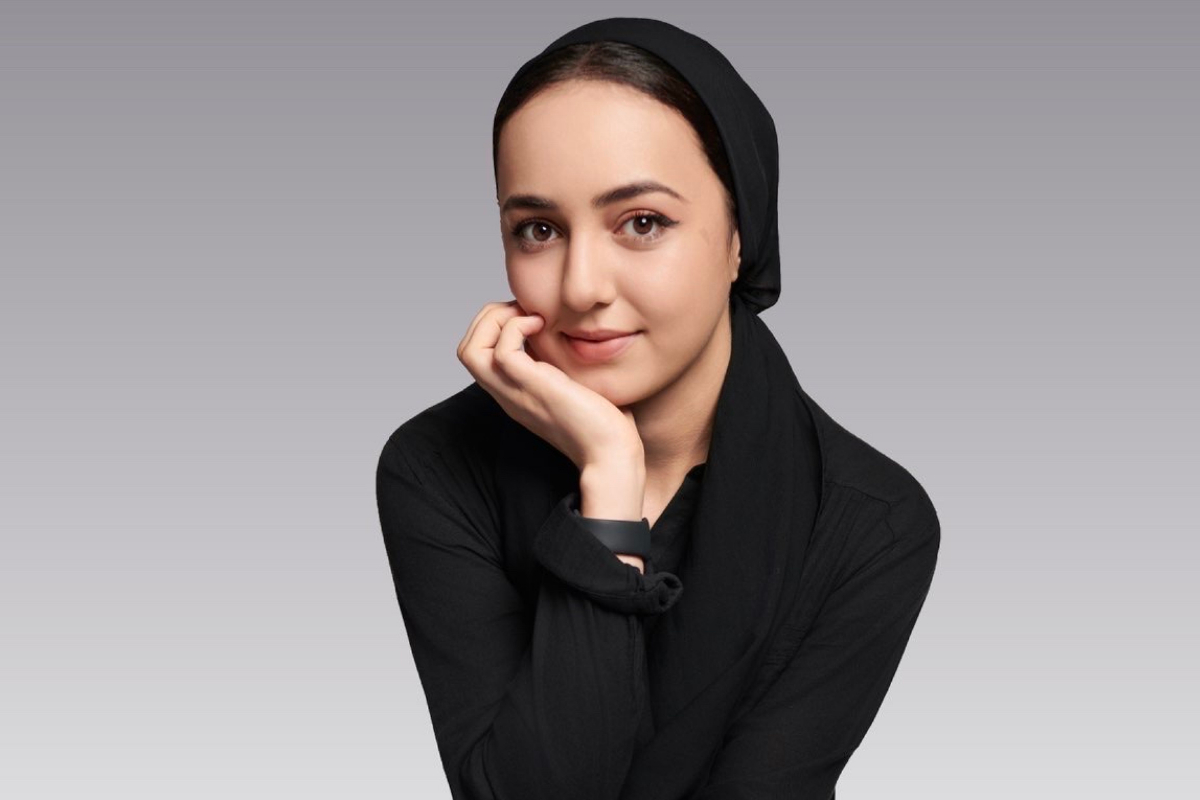
Tech expert Bonu Boboyeva shares her journey in the IT industry, reflecting on a pivotal "black swan" moment that reshaped her professional path.

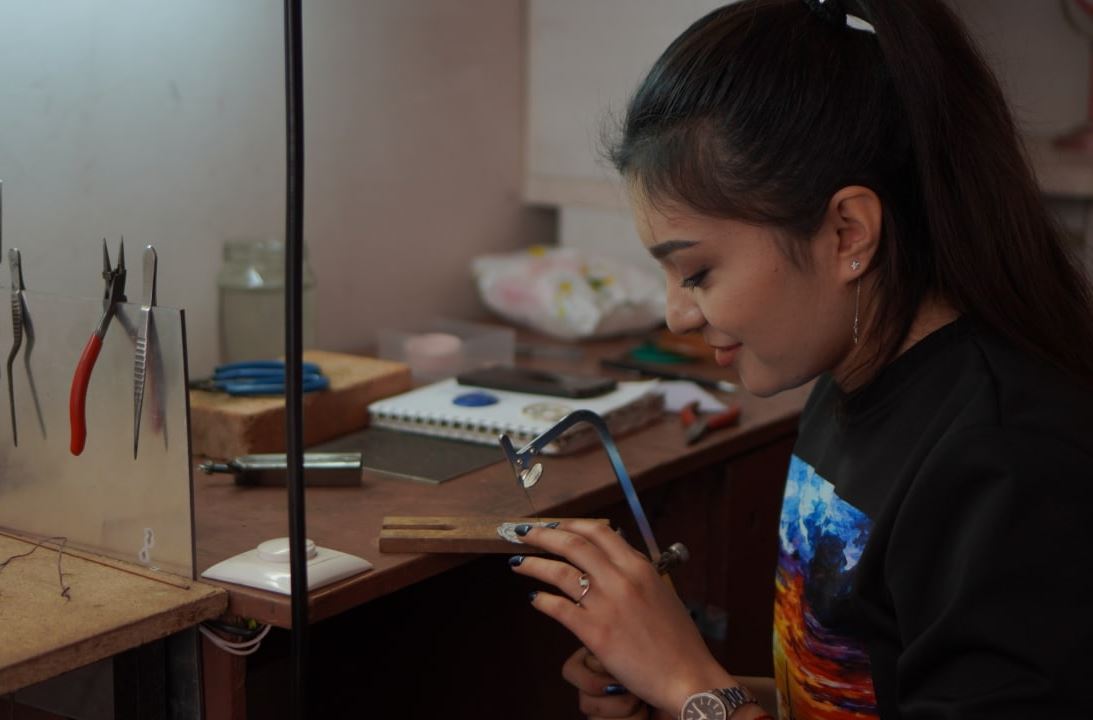
Farah Orifi — a restorer and founder of a jewelry brand — bridges past and present, crafting pieces that preserve cultural heritage while staying relevant in today’s fashion.

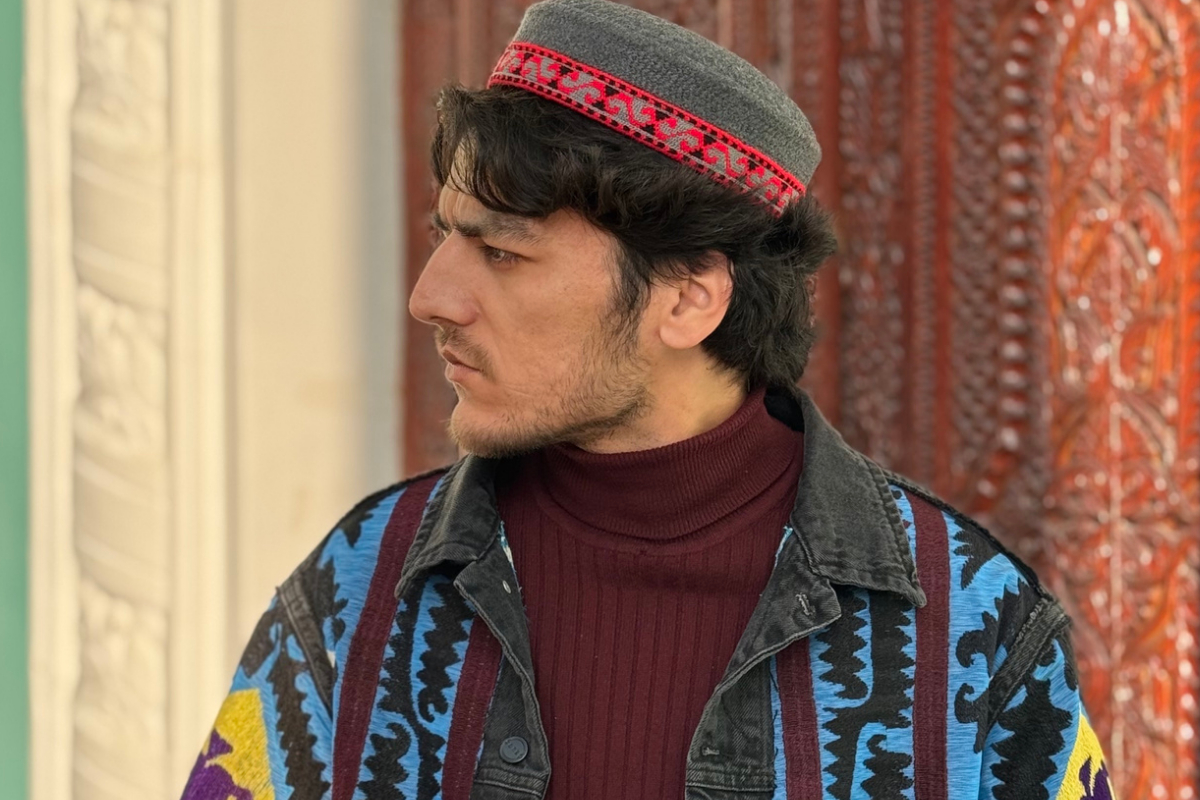
Alisher Sobirov continues the narrative of craftsmanship. His work is not merely restoration, but the revival of meaning — breathing life back into jewelry.

His story highlights how respect for the past and attention to detail can shape a truly original creative vision.

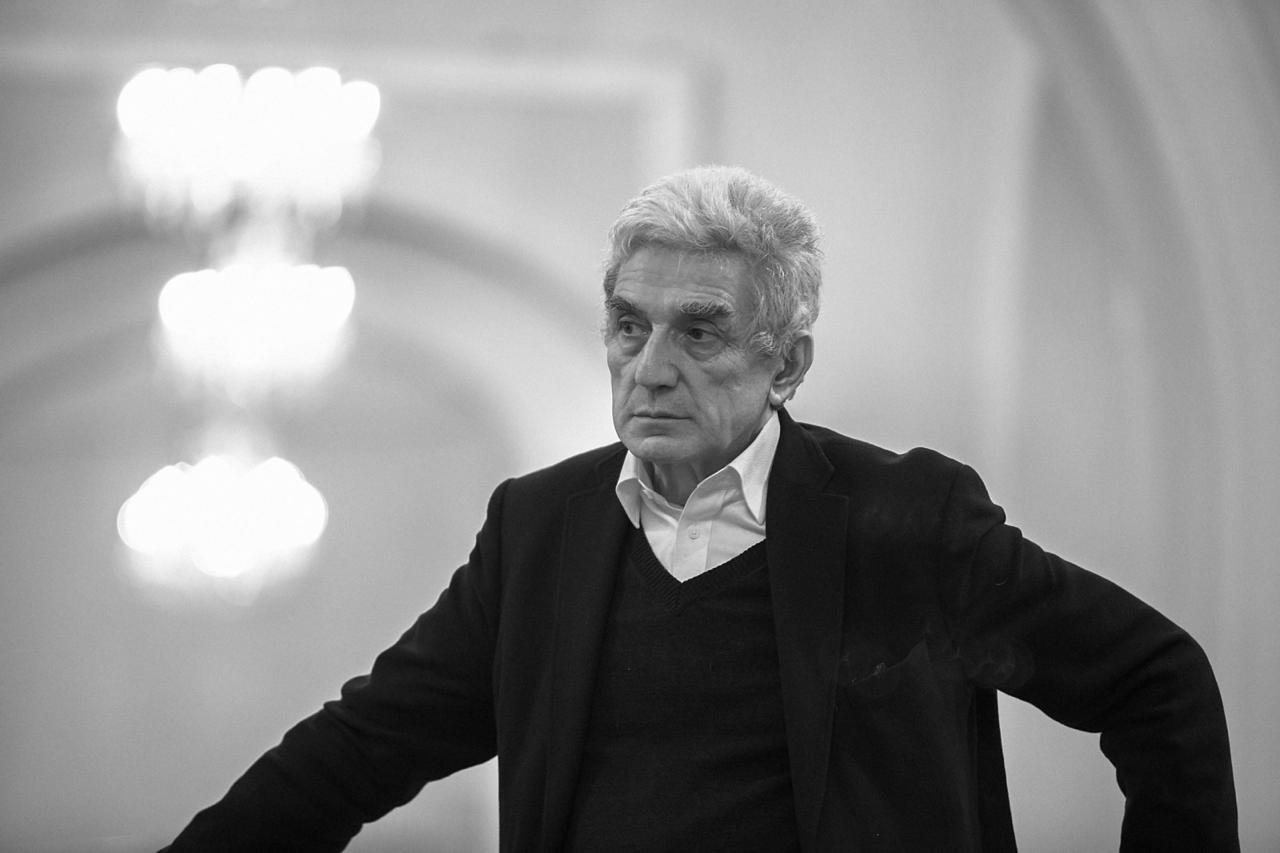
Legendary composer Tolib Shahidi offers a thoughtful reflection on music, time, and inspiration. His words are a reminder that true passion can become a way of life, where creativity and the moment are inseparable.


People and connections that inspire

This issue also explores stories where personal lives intertwine with culture and community.

Erbol and Zarina, expats from Kazakhstan, share their experience of living in Dushanbe — a story of adaptation, openness, and finding opportunity where others see limits.

Blogging couple Aziza and Faridoun reveal their secrets to building a heartfelt digital presence — staying sincere and humorous while turning daily life into content that resonates with thousands.

Love, diplomacy, and trust come to life in a conversation with the Turkish Ambassador and his spouse, showing how personal and professional worlds can seamlessly merge.

Contemporary art and culture are represented through the work of the GEID team and art historian Karolina Peskisheva, who are nurturing an intimate, warm, and accessible cultural space in Dushanbe.


Winter guides and seasonal inspiration

Beyond the stories and interviews, the issue features winter trend selections, guides to exciting places, and practical tips to make the cold season inspiring and productive. Each piece offers fresh ideas for your business, creativity, or leisure.

Winter is a time for discovery. The new issue of VIPzone is out now — stay ahead of the curve!

186 facilities in Tajikistan suspended in 2025 for sanitary violations

0

In 2025, the operations of 186 facilities in Tajikistan were temporarily suspended due to violations of sanitary and epidemiological regulations. More than 13,000 responsible individuals were fined following inspections, officials said at the annual meeting of the Ministry of Health and Social Protection of the Population (MoHSPP) held on January 8.

According to the ministry, around 7,700 facilities were inspected throughout the year. As a result of the checks, nearly six tons of substandard and expired food products were withdrawn from circulation and destroyed.

The meeting also highlighted key performance indicators of the healthcare sector in 2025.

Over the past year, 113 medical facilities were built and commissioned across the country, while 301 healthcare institutions underwent major repairs. Renovation work is currently ongoing at another 59 facilities.

In 2025, Tajik doctors performed 330 organ transplant surgeries. The country’s healthcare system employs more than 87,300 medical workers, including over 22,400 physicians and 64,900 nurses and paramedics. Staffing levels stand at 94.3% for doctors and 99.7% for mid-level medical personnel.

Despite this, the sector continues to face a shortage of about 1,600 specialists. The Ministry of Health plans to address the gap by recruiting graduates from medical universities.

Significant growth was also reported in the pharmaceutical industry. In 2025, domestic pharmaceutical companies produced more than 106.5 million units of medicines and medical products—4.5 million units more than in 2024. Currently, 71 pharmaceutical enterprises operate in Tajikistan, manufacturing 634 types of medicines and medical devices.

In addition, HPV vaccination coverage among girls aged 10 to 14 reached 96.6%. Since October of last year, 517,000 girls have received the vaccine against the human papillomavirus.