DUSHANBE, January 3, 2013, Asia-Plus — Deputies of Tajikistan’s lower house (Majlisi Namoyandagon) of parliament have ratified an agreement between Tajikistan and NATO on physical security and stockpile management (PSSM).
A regular sitting of the fourth session of the Majlisi Namoyandagon of the fourth convocation, presided over by its head, Shukurjon Zuhurov, was held on January 3.
Speaking at the meeting, Jumakhon Davlatov, State Adviser to the President for Legal Issues also President’s Plenipotentiary Representative to Parliament, noted that the agreement was signed in Brussels on January 31, 2012 and it is aimed at improving physical security and stockpile management of ammunition in Tajikistan.
“Since 1998, Tajikistan has taken a number of measures to destroy anti-personnel mines on the border and this agreement provides for allocation of 575,000 euros,” said Davlatov. “To-date, Japan, the United Kingdom and Turkey have allocated 202,000 euros and the remaining part of sum will be provided by the Government of Canada.”
We will recall that the agreement ratification was postponed on December 26, 2012 because parliamentarians did not quite understand the essence of the document.
According to information posted on NATO’s website, the North Atlantic Alliance hopes the project will help prevent illegal cross-border trade in munitions. The task is even more critical because of Tajikistan’s southern border with Afghanistan, where full control for security is due to transition to Afghan national security forces by end 2014.
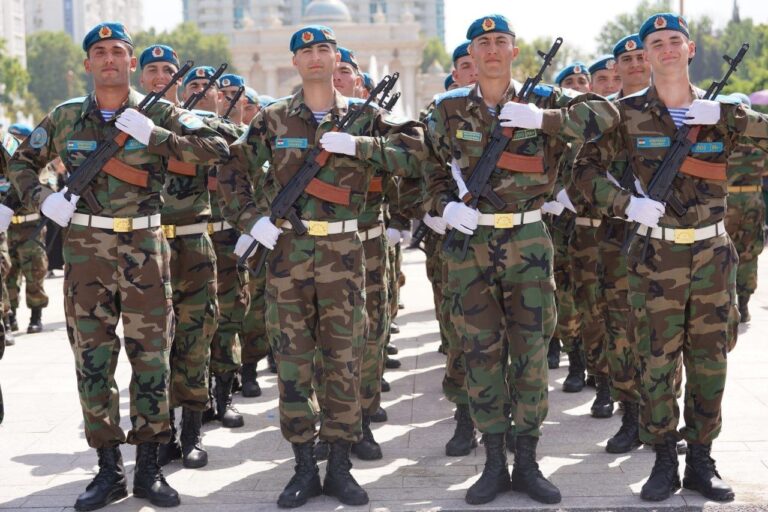
Overseen by the NATO Maintenance and Supply Agency (NAMSA), Tajik military engineers and soldiers will be recruited, trained and deployed as part of a weapons and ammunition disposal (WAD) team once sufficient funding has been secured.
Over a 12-month period, the team will work with government agencies and local communities to locate and dispose of dangerous munitions stocks, coordinating with three other WAD groups managed by FSD already operating in Tajikistan under different frameworks. Weapons and ammunition that are still serviceable will be secured and transferred to proper storage facilities. The team, which will be trained by the FSD, will also conduct a survey of ammunition storage locations on the southern border with Afghanistan and recommend ways to improve safety and security.