DUSHANBE, August 19, 2016, Asia-Plus — Tajikistan must look to deepen its industrial base, improve the productivity of its agricultural sector, and reduce barriers to private investment to remain on a high growth path, says a new Asian Development Bank (ADB) report that was presented in Dushanbe on August 19.
The country diagnostic study, Tajikistan: Promoting Export Diversification and Growth, takes an in-depth look at the challenges and opportunities policymakers face in strengthening and broadening the country’s economic base to meet the government’s target of doubling its gross domestic product (GDP) within a decade.
This country diagnostic study conducted by the Asian Development Bank (ADB) employs an inclusive growth diagnostic framework for analyzing the various factors that have hampered private investment and productive employment in Tajikistan. Five major challenges have been identified: 1) improving access to finance and reducing its cost; 2) providing stable and uninterrupted power supply; 3) improving the quality of transport infrastructure and logistics; 4) strengthening governance and the rule of law; and 5) addressing market imperfections that constrain new investment and economic activities. High-quality health and education services as well as strong social protection will also be essential to the country’s more inclusive growth.
“Tajikistan has made huge strides in recent years, with GDP growth averaging over 7% during 1997-2015. But that progress is threatened by less favorable external conditions, a slump in prices of its key commodities, and pressure on remittances,” said Bambang Susantono, ADB’s Vice President for Knowledge Management and Sustainable Development. “Policymakers, in conjunction with the private sector, now need to find ways to upgrade existing exports, as well as finding new growth drivers, particularly in the industrial sector, to maintain growth momentum.”
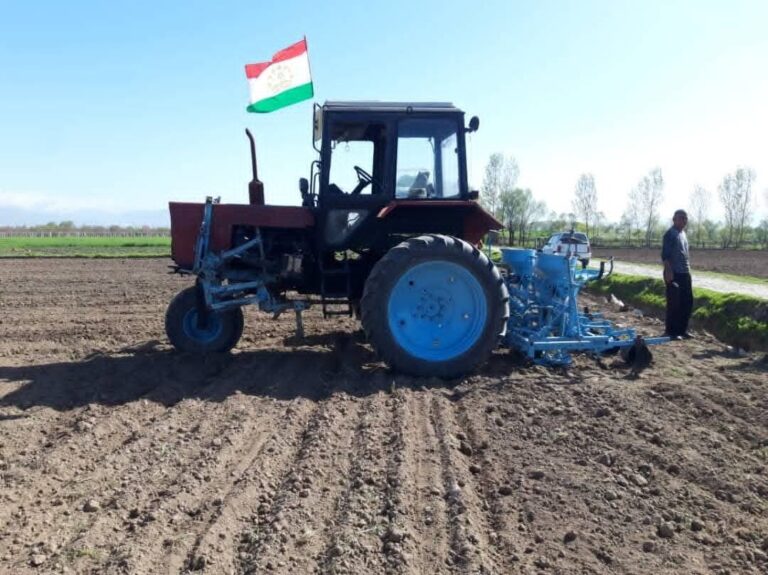
The agriculture sector accounts for about two-thirds of the labor force but it suffers from low productivity levels. The industrial sector remains narrow and job opportunities in it have actually declined. Private investment needed to fuel greater diversification is being held back by limited and high cost finance, and poor transport and electricity infrastructure.
Reviving the industrial sector and diversifying exports is key to expanding job opportunities outside the agricultural sector, and creating a more inclusive society, the report notes. Potential areas that offer promise include agro-food processing, crop and animal farming, textiles and garments, and mining and quarrying. To develop these new niche opportunities, the government should facilitate and support the private sector as the key catalyst for change.
Steps that policymakers could take to lift private investment and exports include providing incentives for entrepreneurs engaged in new economic activities or products, and creating new economic zones. To improve access to finance, banks and nonbank financial institutions should be encouraged and incentivized to create more diverse and affordable credit products. Producing more work-ready graduates will require an overhaul of existing curricula and making vocational courses more relevant to meet the needs of future growth.
Making agriculture more productive, through infrastructure improvements and the introduction of new technologies, will also release excess labor who can be employed in the industrial and service sectors as they expand, the study said.