A new report by Transparency International, The Global Corruption Barometer 2016, says that 1 in 3 citizens of countries in Europe and Central Asia (ECA) see corruption as among the biggest problems facing their country.
Issued on November 16, the report also finds that 1 in 3 people across the region, which includes most European Union countries and most former Soviet republics, as well as Turkey, view government officials and lawmakers as mostly or entirely corrupt.
And more than half say their government is doing a poor job in fighting corruption in the public sector.
The Global Corruption Barometer 2016 is based on interviews with 60,000 people across 42 countries in Europe and Central Asia.
According to the survey, citizens in Moldova are the most concerned by corruption, with 67 percent of respondents rating it as one of the greatest issues facing their society.
In Ukraine, more than 50 percent of the population also regards corruption as among their countries' most pressing problems.
Over one-third of the people Kyrgyzstan, Russia, Armenia, and Kazakhstan view corruption as one of their biggest challenges.
The report found that while one-third of the people across Europe and Central Asia think their government officials and lawmakers are mostly or entirely corrupt, the levels of trust they have in these public figures vary widely.
In Ukraine, Kyrgyzstan, and Moldova, more than half of respondents say that their parliamentary representatives are highly corrupt. In Moldova, the number rises to 76 percent of respondents.
Meanwhile, people in most countries across the region covered in the report say their governments are “very bad” or “fairly bad” at fighting corruption in government.
The report also found that bribery remains commonplace in many countries in the region. On average, 1 in 6 households reported having to pay bribes in order to obtain services from officials.
Bribery is still common, particularly in the Commonwealth of Independent States (CIS), according to the survey.
Nearly a third of public service users in the CIS have reportedly paid a bribe (30 per cent) in the past year and bribery is highest in Tajikistan where this rises to 50 per cent of service users.
The highest frequency of bribe paying was in Tajikistan, where half the households surveyed reported doing so. Tajikistan was closely followed by Moldova (42 percent), Azerbaijan, Kyrgyzstan, and Ukraine (all 38 percent), and Russia (34 percent).
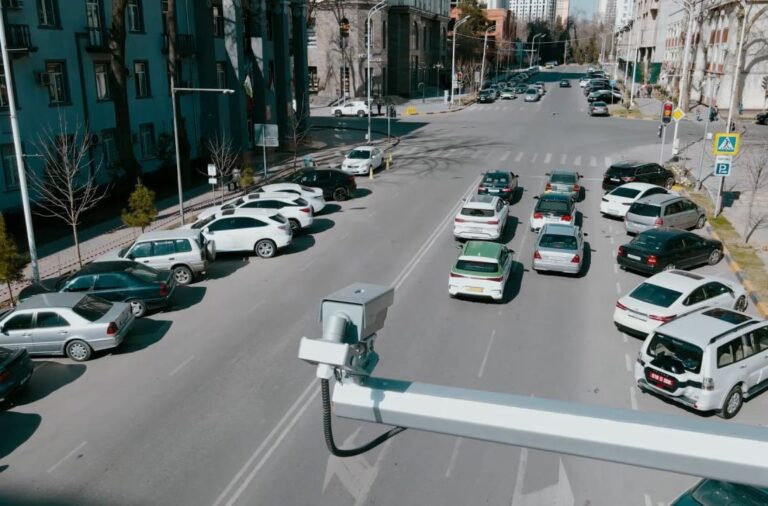
Tajikistan has the highest bribery rate for traffic police of all the countries surveyed: 64 per cent of households who have come into contact with the road police in the last 12 months paid a bribe.
Bribery to the traffic police is also very common in Kazakhstan and Kyrgyzstan (47 and 48 per cent respectively).
Bribery is a particular risk for households in Tajikistan and Moldova when needing public medical care, where more than two in five households had paid a bribe when accessing public health services (46 per cent and 42 per cent respectively).
The lowest frequencies of paying bribes were in EU countries. Among them, Romania had the highest rate (29 percent), while Britain had the lowest (0 percent).