
Tajik authorities reportedly plan to ease electricity rationing for rural areas on January 5, increasing the daily supply of electricity by five hours.
According to Barqi Tojik (Tajikistan’s national integrated power company), residential customers in rural areas will have electricity seventeen hours per day – from 5:00 am to 10:00 pm.
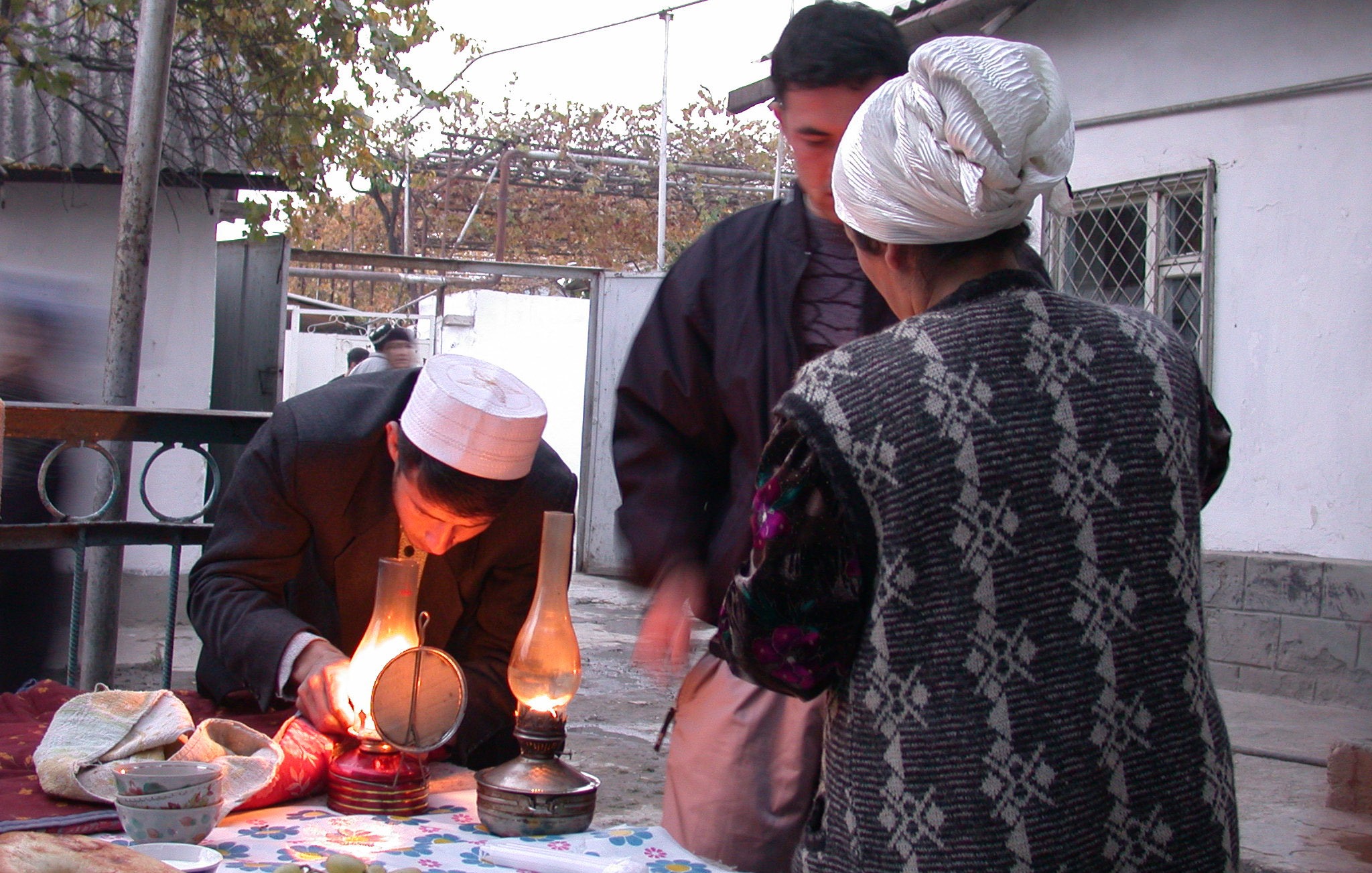
Residential customers now have electricity twelve hours per day – six hours in the morning (from 5:00 am to 11:00 am) and six hours in the evening (from 4:00 pm to 10:00 pm).
For the first time, the power rationing was reportedly alleviated on December 9 after the second line of the Dushanbe-2 combined heat and power (CHP) plant was introduced into operation, increasing the plant’s capacity to 400 megawatt.
Recall, electricity rationing was introduced in rural areas of Tajikistan on November 1.
Electricity rationing has not affected Dushanbe, regional administrative centers and large cities.
The power rationing has also not affected the majority of districts of the Gorno Badakhshan Autonomous Region (GBAO). In GBAO, Tajikistan’s only private power company, Pamir Energy Company (Pamir Energy), operates. This company is responsible for electricity deliveries in the region and the majority of districts in Gorno Badakhshan now have regular power supply.
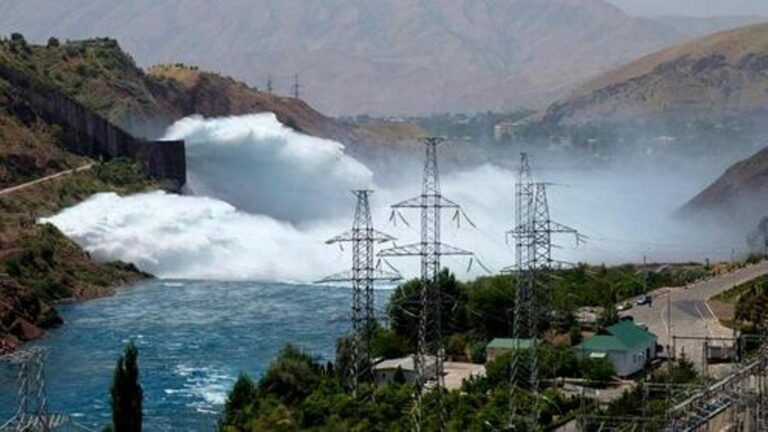
Measures rationing electricity supplies are usually introduced in all regions except Dushanbe and seek to curb the country's rising electricity consumption. The rationing is introduced in October or November and lasts through March or April next year. The rationing results in the supply of daily electrical power being reduced to 10 or 8 hours. In addition to curbing rising consumption, the move also stems from a decline in the water level in the country's reservoirs powering the main hydroelectric power plants.