According to Khayrullo Amonullo, mayor of the southern Tajik city of Kulob, his constituents have often been subjected to grammar and spelling mistakes, Radio Liberty’s Tajik Service reports. To correct the problem, he is sending his staff back to class to brush up on their writing skills.
Amonullo says he was surprised by the level of the mistakes he noticed when he received written reports and requests from his younger subordinates. "I was like a schoolteacher for first graders," Amonullo says. "I would correct their writing with a red pen and send the documents back for revision."
After two years in his post, the mayor says he realized that his approach was not a long-term solution.
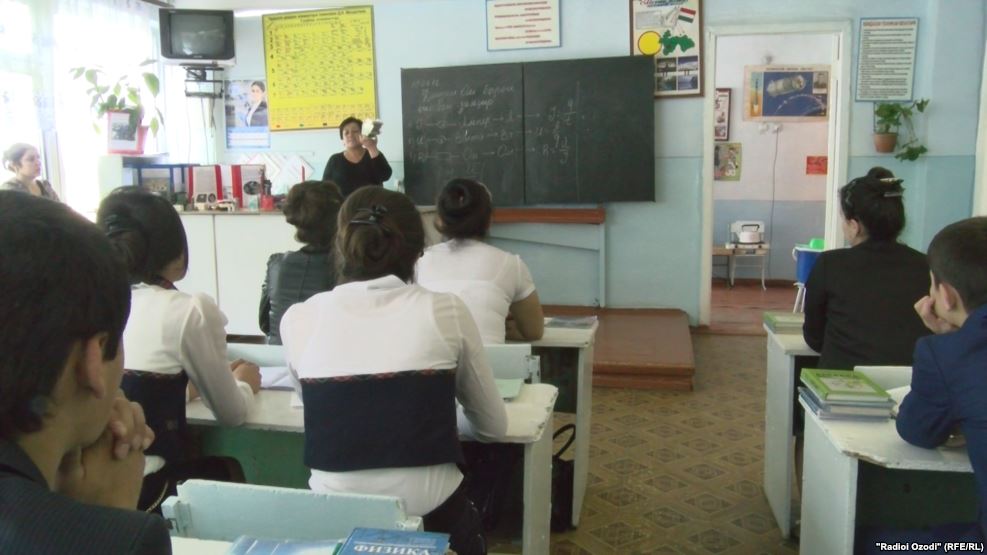
Amonullo then set about developing a tailor-made curriculum for his staff, focusing on grammar and writing skills, and enrolled all the 20- and 30-somethings in his office.
"The lessons take place every day," Amonullo says, "and they are conducted by two of my deputies."
The classes started at the beginning of the year and will last about a month, after which the mayor says he will test each student's progress. He didn't say whether he would take further measures in the event some of his staffers don't make the grade.
In addition to spelling and grammar lessons, the courses address how to respond to citizens' complaints and requests, how to write official letters and documents, and how to take meeting notes.
As is the case in much of the world, older people in Tajikistan are quick to point out the educational shortcomings of the younger generation.
Many blame it on the civil war of 1992-97, during which many were deprived of a formal education.
Others complain that the quality of education has plummeted at universities, where students are rumored to routinely pay bribes to pass tests and exams.
In 2015, the state language committee tested some 500 university students in the capital, Dushanbe, amid complaints about literacy levels at state universities.
The committee said about 80 percent of the students failed the test. The failure was blamed on a decision by education authorities to halve the number of Tajik-language lessons in schools.
This is not the first time the competency of government employees has been questioned.
In 2004, the head of the country's national TV and radio committee, Abdujabbor Rahmonzoda, gave essay exams to journalists. He said at the time that the test was intended to establish “the level of their knowledge.”