
UNESCO has published Atlas of the World’s Languages in Danger. UNESCO’s Atlas is intended to raise awareness about language endangerment and the need to safeguard the world’s linguistic diversity among policy-makers, speaker communities and the general public, and to be a tool to monitor the status of endangered languages and the trends in linguistic diversity at the global level.
The latest edition of the Atlas (2010, available in English, French and Spanish from UNESCO Publishing), was made possible thanks to the support of the Government of Norway, and lists about 2,500 languages (among which 230 languages extinct since 1950), approaching the generally-accepted estimate of some 3,000 endangered languages worldwide. For each language, the print Atlas provides its name, degree of endangerment (see below) and the country or countries where it is spoken.
The online edition provides additional information on numbers of speakers, relevant policies and projects, sources, ISO codes and geographic coordinates. This free Internet-based version of the Atlas for the first time permits wide accessibility and allows for interactivity and timely updating of information, based on feedback provided by users.
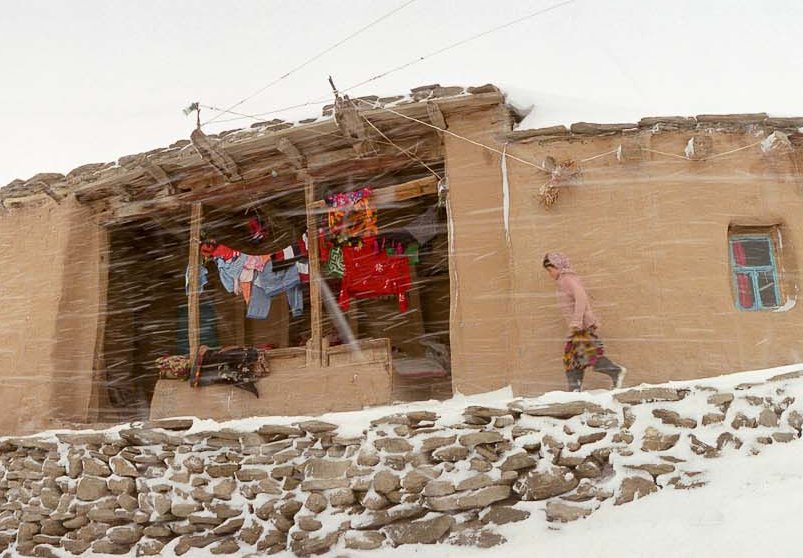
Thus, the Atlas lists fifteen languages in danger spoken in Central Asia. Eleven of them are spoken in Tajikistan, mostly in the Gorno Badakhshan Autonomous Region (GBAO).
Degree of endangerment: safe (language is spoken by all generations; intergenerational transmission is uninterrupted >> not included in the Atlas; vulnerable (most children speak the language, but it may be restricted to certain domains (e.g., home); definitely endangered (children no longer learn the language as mother tongue in the home); severely endangered (severely endangered language is spoken by grandparents and older generations; while the parent generation may understand it, they do not speak it to children or among themselves); critically endangered (the youngest speakers are grandparents and older, and they speak the language partially and infrequently); and extinct (there are no speakers left >> included in the Atlas if presumably extinct since the 1950s).