Tajikistan has introduced tax preferences in order to support development of productive entrepreneurship.
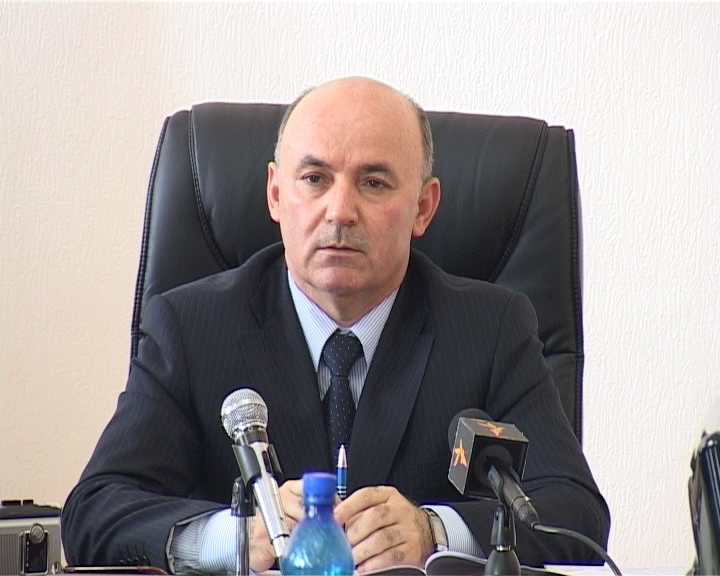
In a report released at a news conference in Dushanbe, Nusratullo Davlatzoda, the head of the Tax Committee under the Government of Tajikistan, noted on February 7 that amendments made to the country’s tax code provide for introducing more than 30 tax preferences.
“According to the preliminary data, Tajikistan’s national budget will receive some 150 million somoni less due to these preferences, but all losses will be gradually covered due to development of productive entrepreneurship,” said Tajik chief tax officer. “The most important thing is that production will develop and inflow of foreign direct investments will increase.”
Davlatzoda stressed that amendments to the tax code had been initiated by President Emomali Rahmon “for the purpose of creating a favorable climate for the development of productive entrepreneurship.”
According to Tajik chief tax officer, the amendments provide for “tax administration and prevention of unfounded inspections”
Under the amendments, poultry farms and producers of mixed fodders are exempted from paying value added tax (VAT), income tax, road tax and real estate tax for the period of six years.
New enterprises and cotton fiber processing plants are exempted from paying VAT, income tax, land tax and real estate tax for the period of twelve years.
Besides, the amendments provide for conducting cameral tax inspections not more than once every six months, with the exception of cameral tax inspections conducted under the written instruction by the head of the Tax Committee.
The amendments also provide for preventing “endless and baseless disputes between tax bodies and taxpayers.”
In the case of the ambiguity of provisions of the tax code’s provisions, the decision will be adopted in favor of taxpayer.
Recall, Tajikistan’s lower house (Majlisi Namoyandagon) of parliament on February 7 supported president’s initiative on introducing a two-year moratorium on inspection of privately-owned industrial production facilities.
Under the moratorium decree proposed by the president to the parliament, tax officials, prosecutors, the auditing chamber and anticorruption officials and the National Bank will still be allowed to run checks.
Checks could only go ahead when there was a suspicion that consumer rights were somehow being violated. The moratorium extends only to production facilities, not other types of enterprises.
During an address to the joint session of both chambers of parliament in December, the president spoke about his professed concern for the frequency of raids on private enterprises, saying it was cramping the development of the business community.