
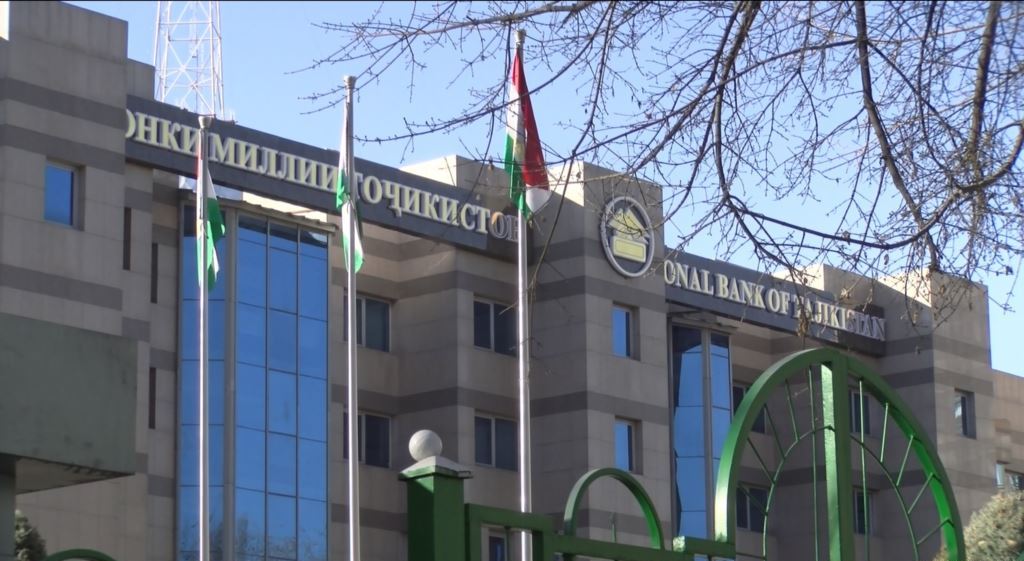
The volume of currency interventions conducted by the National Bank of Tajikistan (NBT) during the last year reportedly amounted to 300 million U.S. dollars.
An official source at the NBT says the interventions were conducted to for the purpose of supporting the exchange rate of the national currency, the somoni.
He further added that they had not used the country’s gold-and-currency reserve to conduct currency interventions last year.
According to him, currency interventions were conducted last year due to USD purchased for the Russian rubles (RR).
Currency intervention, also known as exchange rate intervention or foreign exchange market intervention, is the purchase or the sale of the currency on the exchange market by the fiscal authority or the monetary authority, in order to influence the value of the domestic currency.
Meanwhile, the somoni lost 11.9 percent of its value against the dollar in a year to December 31, 2017.
The official buying rate (the buying rate is the rate at which money dealers buys foreign currency) of the somoni against the dollar fell from 7.8762:1 on January 1, 2017 to 8.8190:1 on December 31, 2017.
As far as the exchange rate between the somoni and the euro is concerned, the somoni reportedly fell 27.3 percent against the euro last year.
The official buying rate of the somoni against the euro fell from 8.3070:1 on January 1, 2017 to 10.1261:1 on December 31, 2017.
Last year, Tajikistan also saw sharp devaluation of its national currency against the Russian Ruble. The somoni lost 20.8 percent of its value against the Russian ruble in a year to December 31, 2017.
The official buying rate of the somoni against the Russian ruble fell from 0.1261:1 on January 1, 2017 to 0.1524:1 on December 31, 2017.
