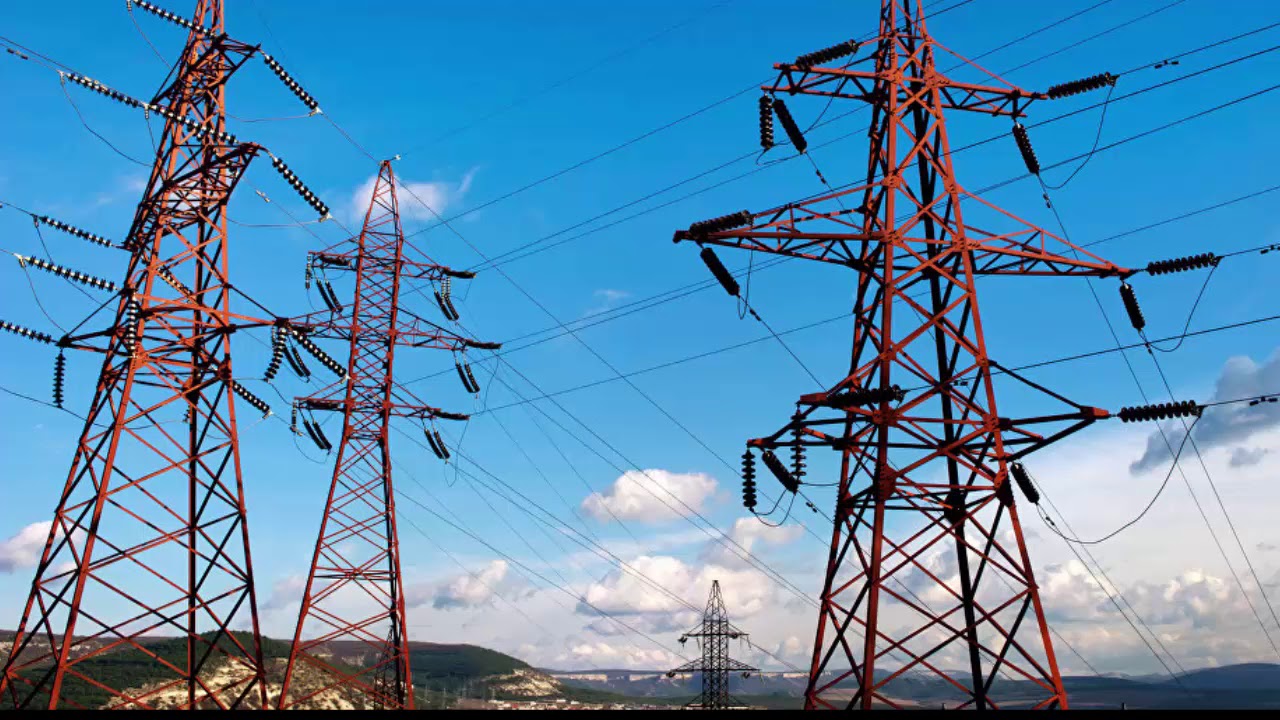
In April, Tajikistan reportedly exported nearly 128 million kilowatt-hours (kWh) of electricity and Uzbekistan accounted for some 84 percent of Tajikistan’s electricity exports.
According to Monitoring and Early Warning in Tajikistan (monthly report for May), Tajikistan last month supplied 12 million kWh of electricity to Afghanistan, 9.9 million kWh of electricity to Kyrgyzstan and 106.9 million kWh of electricity to Uzbekistan. Tajikistan supplied electricity generated by Sangtuda-1 and Sangtuda-2 hydroelectric power plants (HPPs).
The supplied electricity reportedly constitutes some 10 percent of the overall volume of electricity generated in Tajikistan last month.
A total volume of electricity generated by power plants subordinate to Barqi Tojik (Tajikistan’s national integrated power company) last month was more than 1.4 billion kWh.
Tajikistan began supplying electricity to Uzbekistan on April 2 via the power transmission line extended from the Regar substation in Tajikistan to the Gulcha substation in Uzbekistan.
Tajikistan is expected to supply no less than 1.5 billion kWh of electricity to Uzbekistan per year.
Dushanbe and Tashkent have reportedly reached an agreement on a price for Tajik electricity supply to Uzbekistan. In summer period, Tajikistan will supply electricity to Uzbekistan at the rate of 2 cents per one kWh of electricity, and in winter period, the price for one kWh of Tajik electricity being supplied to Uzbekistan will be 2.5 cents.
Recall, under the Central Asian unified power grid that had been in place since the 1970s, republics rich in water-and-energy resources supplied neighbors at periods of high production and then later received electricity in return from republics whose power generation relied primarily on fossil fuels, such as coal and gas.
Uzbekistan’s geographic location made it one of the most important members of the unified system, as many regions in Kyrgyzstan and Tajikistan had been supplied with electricity through power lines crossing Uzbek territory. Uzbekistan officially left the Soviet-era regional power grid that united the country with its three Central Asian neighbors in December 2009. Uzbekistan dealt a fatal blow to this system in December 2009, when it left the Soviet-era regional power grid that united the country with its three Central Asian neighbors.
Tajik authorities that time criticized Uzbekistan’s decision as an effort to put pressure on neighbors. The move left Tajikistan facing severe electricity shortages during the winter months as Uzbekistan has been unwilling to either sell Dushanbe its own electricity or grant power transit privileges to others. Turkmenistan has repeatedly stated its willingness to export power to Tajikistan, but has lacked the means to do so.
Tajikistan has sufficient summer-time (defined as May 1 to September 30) hydropower surpluses to export to the neighboring countries.
Tajikistan is reportedly able to export up to 5 billion kWh of electricity during summer period.
Exports to Afghanistan last year came in at 1.3 billion kWh of electricity, netting Tajikistan around 50 million USD.
Barqi Tojik and Da Afghanistan Breshna Sherkat (DABS) have reportedly signed an additional agreement to a long-term contract on the delivery of Tajik electricity to Afghanistan. Under this agreement Tajikistan will increase the supply of electric power to Afghanistan this year to 1.5 billion kWh. One of terms of the agreement signed in the zero years for the period up to 2029 provides for an annual 3 percent increase in the price for Tajik electricity being supplied to Afghanistan. Accordingly, the price of one kWh of Tajik electricity being supplied to Afghanistan this year will be 4.11 cents, according to Barqi Tojik.
Besides, Tajikistan last year exported up to 600 million kWh of electricity to Kyrgyzstan during summer period.
The remaining 2.1 billion kWh of Tajikistan’s surplus electricity remained unused during summer period because of withdrawal of Uzbekistan from the Central Asian unified power grid.