The agricultural sector is the largest consumer of water in the world with 70 percent of the global water resources used for irrigation. For Tajikistan this share is around 90 per cent. With the changing climate and limited water resources, the introduction of resource-saving technologies and tools has become a priority to ensure food security for rapidly growing populations, especially in the dry areas of the world.
One such tool is the AquaCrop application, developed by the UN Food and Agriculture Organization (FAO). The AquaCrop modeling tool is simple accurate and easy to use tool is aimed at practical end users such as extension specialists, water managers, personnel of irrigation organizations, and economists and policy specialists who use simple models for water use planning and scenario analysis.
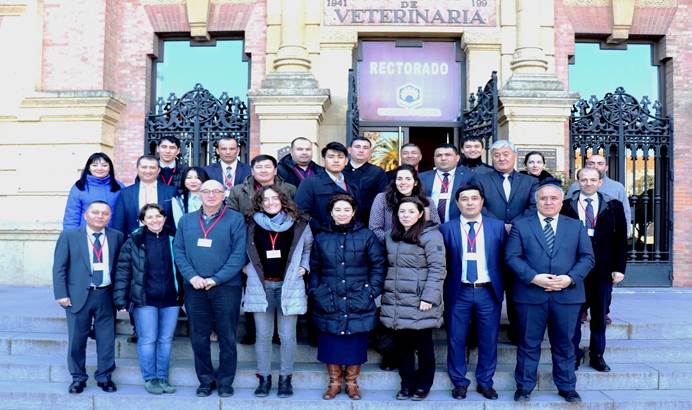
Under the initiative aimed at integrated management of natural resources in landscapes of agricultural production prone to drought and affected by salt in Central Asia and Turkey (CACILM 2), training was conducted on January 14-18 to introduce the specialists and researchers from Central Asia to AquaCrop modeling, according to FAO Country Office in Tajikistan.
Funded by the Global Environmental Facility within the regional project, the workshop was held at the University of Cordoba, Spain.
“In Tajikistan, where most of the arable agriculture heavily relies on irrigation, enhancing the capacity of agricultural specialists in advanced water monitoring and management tools is key to sustainable food production and water use efficiency,” said Oleg Guchgeldiyev, FAO Representative in Tajikistan.
The five-day training reportedly comprised of four sessions including the introduction to AquaCrop model, simulation exercises, data collection and a field visit to the university’s experimental facilities, allowing workshop participants to gain practical experiences.
Upon returning home, 20 experts, including 4 specialists and scientists from Tajikistan, are expected to share gained knowledge with colleagues and members of their networks.
According to National Technical Officer of FAO office in Tajikistan Daler Domullodzhanov, FAO will soon arrange a national workshop for young local water engineers and soils science specialists on the application of AquaCrop tool to improve the water productivity, irrigation and crop management.