The Tajik national currency, the somoni (TJS), has lost more than 11.3 percent of its value against the Russian ruble (RR).
The National Bank of Tajikistan (NBT) said on November 9 that the exchange rate of TJS against RR has fallen from 0.127:1 on November 3 to 0.144:1.
Meanwhile, TJS has lost 10.8 percent of its value against the Euro — 12.01:1 on November 3.35 on November 9.
Commercial banks set TJS to RR buying rate at 0.148:1.
The black market prices for the somoni have shifted to 13.5 against the euro.
Recall, TJS lost 9.4 percent of its value against the dollar on November 3 in a correction that the NBT said on November 4 was intended to harmonize official and black-market rates.
The somoni is now trading at 11.3 to the dollar, down from 10.3 somoni.
The black market prices for the somoni have shifted to 12 against the dollar.
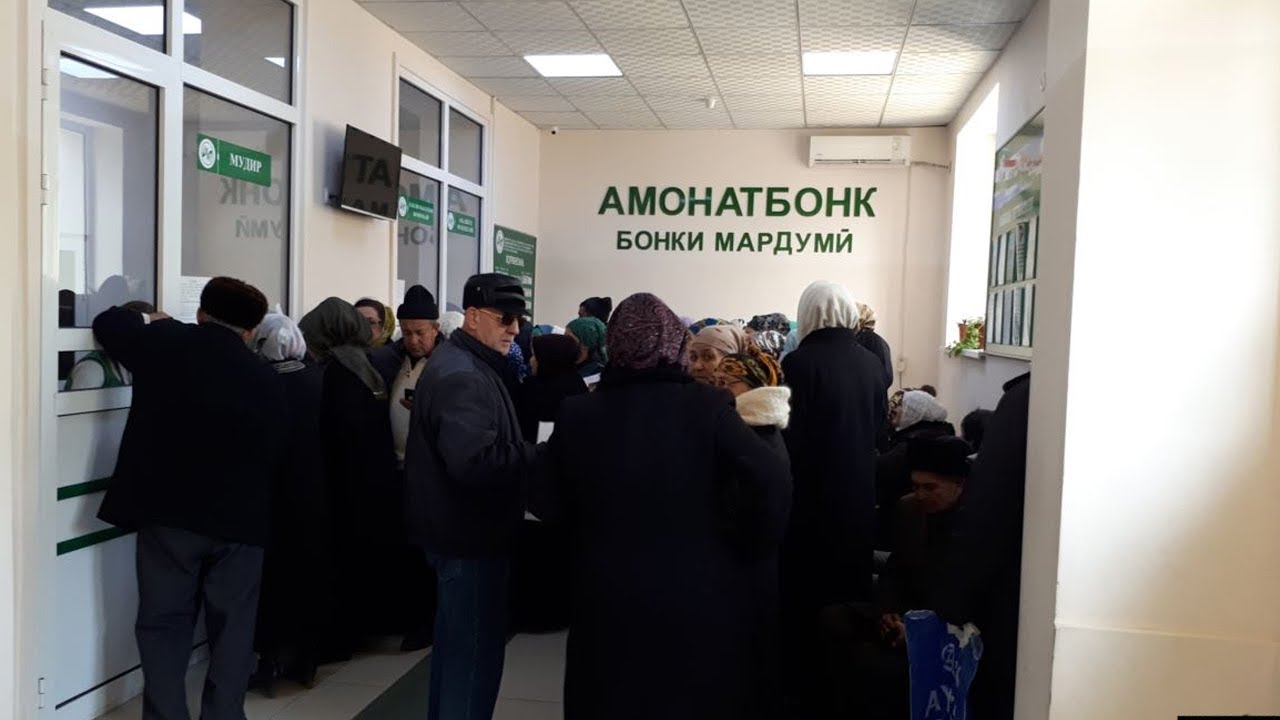
The gap between official and unofficial rates began to manifest in a pronounced fashion in 2016, after the financial regulator ordered the closure of all unauthorized currency exchange points. After that, only banks were able to perform foreign exchange operations. Any currency exchange transactions done outside banks are punishable by up to nine years in prison.
According to the NBT, the current official-unofficial rate gap stands at 9.3 percent instead of 2 percent set by Tajik central bank.
According to the NBT, the devaluation has resulted from the decline of remittances and the lack of foreign investment.
Eurasianet says the slide of the somoni comes just as prices for many staple goods are on the rise. Shoppers at bazaars have since the middle of October, following the presidential election, been reporting 30 percent increases in the cost of items like flour and sugar. Almost three-quarters of Tajikistan’s food needs are met through imports. The devaluation is, accordingly, certain to push prices up even further.