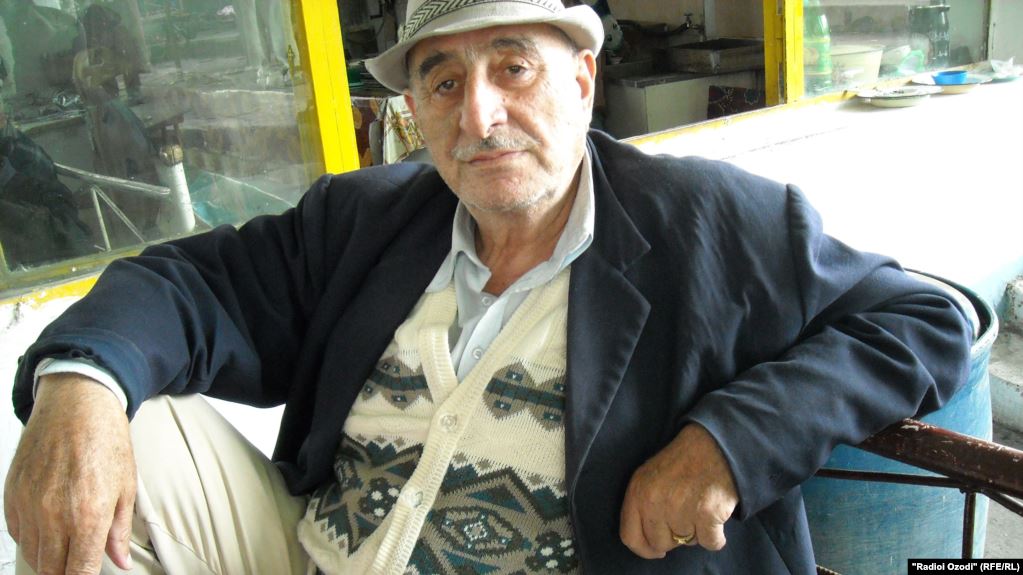
A close-knit community in the old quarter of Khujand, buried one of its most respected members last week, Radio Liberty’s Tajik Service reported on January 21.
The death of 83-year-old Jura Abaev on January 15 reportedly marked the end of an era for Khujand: He was the last Jew in the predominantly Muslim city, once home to a strong Jewish community of several thousand that had lived in the region for centuries.
Affectionately known among his neighbors as Jura Ako — local slang for the "elder brother" — Abaev lived his entire life in the Under The Big Mulberry Tree neighborhood in the heart of the vibrant city of nearly 200,000 people.
A retired factory worker, Abaev was also the last rabbi of Khujand’s only synagogue until it was closed in 2015 after having been empty since the 1990s.
According to RFE/RL, there were an estimated 15,000 Jews in Tajikistan in the late 1980s, but most of them left the country after the breakup of the Soviet Union in 1991.
Among those who left were Abaev’s five adult children and their families, his half-sister, and many friends and relatives.
After the death of his wife in the 1990s, Abaev also decided to immigrate to Israel to be closer to his children. In fact, he moved to Israel three times between 1990 and 2008 — each time returning to Khujand, calling it the only home he ever had.
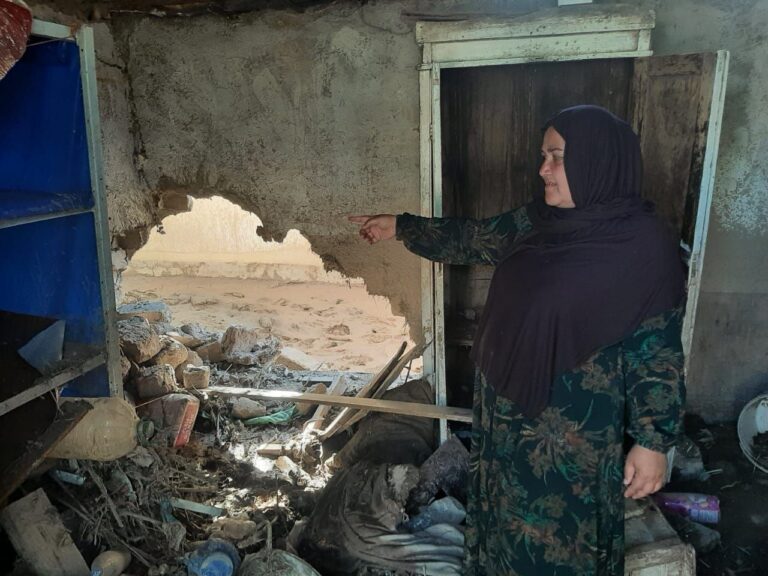
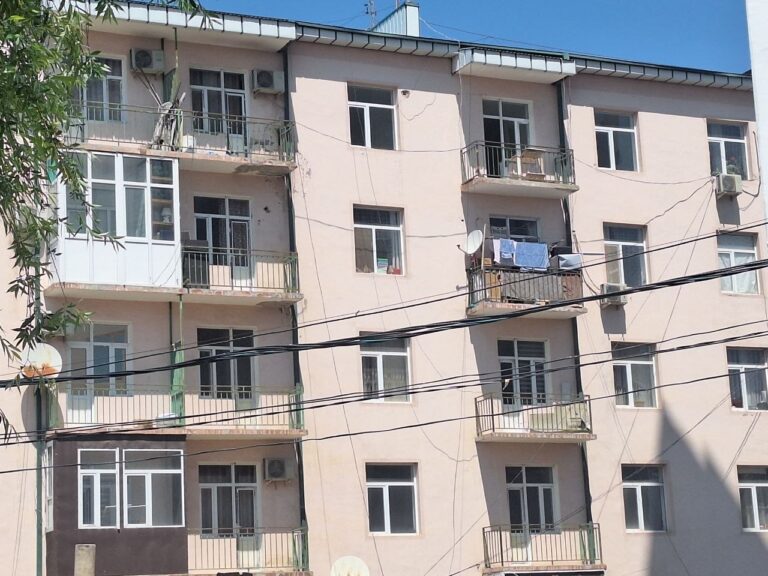
Abaev’s large family house on Under The Big Mulberry Tree’s Shuro Street didn’t stay empty for long after his children left the country.
When an impoverished Tajik family of six lost their own home many years ago, Abaev offered them several rooms in his house, where they still live.
In return, the family looked after Abaev until his death, providing much needed care, especially in his later years.
Abaev was laid to rest in the Jewish cemetery in Khujand’s southern outskirts, a final resting place for some 1,000 Khujand Jews buried there since the early 20th century.
Abaev had reportedly been the rabbi of Khujand’s synagogue since 1967. His duties included conducting funerals, safekeeping the synagogue’s only copy of the Torah, and taking care of the house of worship.
Six years ago, Abaev — then the only Jew in Khujand — had to watch the unused synagogue be demolished to make room for a new shopping center.
That left Tajikistan’s Jewish community with only one house of worship, in the capital, Dushanbe, where nearly all of the country’s last 50-some Jews were based.
The Dushanbe synagogue — a marble-clad house in a residential area on the city’s Ozodii Zanon Street — opened in May 2009. It was reportedly donated by a wealthy relative of President Emomali Rahmon after the city’s old synagogue in central Dushanbe was demolished to make room for a complex near the new presidential palace.
The first Jews are said to have settled in Khujand in the middle ages after coming to the city as merchants and tradesmen. The community, which shares the same language and culture with Tajiks, began to significantly increase in the 19th century when dozens of Jewish families moved to Khujand from the nearby city of Bukhara, in modern-day Uzbekistan.
At its height in the 1940s, Tajikistan's Jewish community was estimated to be around 30,000, with the majority of them living in Dushanbe and Khujand.
Many prominent figures in the Jewish community, including musicians, scientists, journalists, and doctors, became household names in Tajikistan. And many working-class Jews in cities worked in small, niche professions such as goldsmithing, watch repair, and barbering.