In a report released at a news conference in Dushanbe, the head of the National Bank of Tajikistan (NBT), Hokim Kholiqzoda, revealed on February 10 that a volume of remittances sent by physical entities to Tajikistan last year fell 6.3 percent compared to 2019.
According to him, the remittances declined last year due to the economic crisis induced by the COVID-19 pandemic and shutdown.
“Borders were closed and many migrants failed to travel to other countries to work,” the regulator head said.
The Central Bank of Russia says 1.224 billion U.S. dollars (USD) were sent by physical entities through money transfer system to Tajikistan from Russia over the first nine months of the last year, which was nearly 37 percent fewer than in the same period last year.
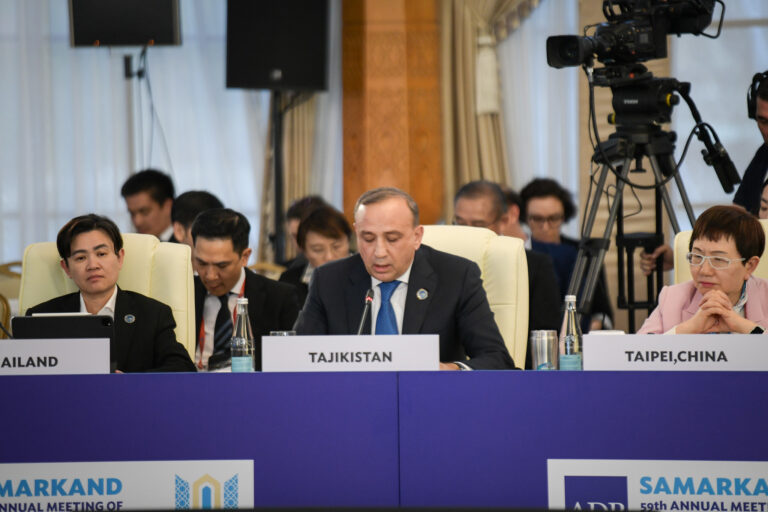
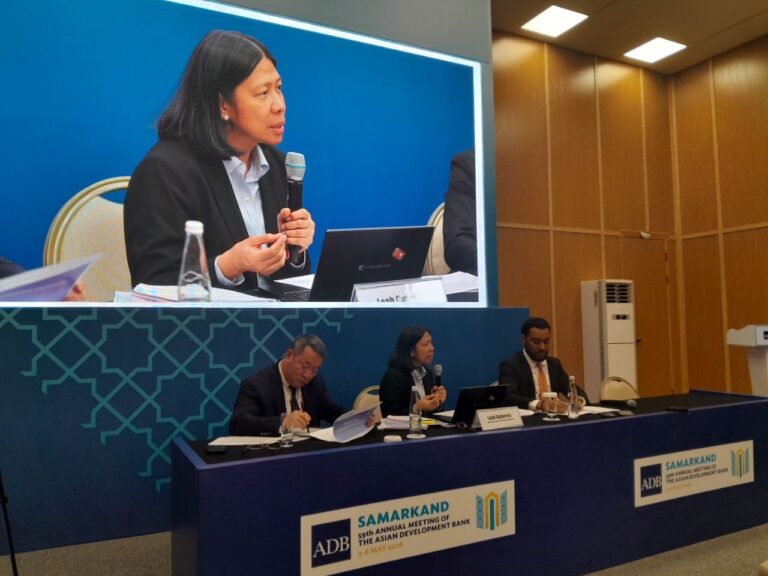
The Asian Development Bank (ADB) notes that Tajikistan is one of the world’s top five remittance recipient countries measured by its relative size to gross domestic product (GDP).
The Russian Federation is the major destination country for Tajik migrants (97.6% in 2019). Longstanding ties from the Soviet era, language commonalities, migrant networks, significant wage differentials, as well as visa-free and on-arrival visa options make the Russian Federation a popular choice.
ABB’s Strengthening Support for Labor Migration in Tajikistan notes that in 2019, remittance amounted to US$2.7 billion, which is equivalent to 33.4% of GDP.
In 2018, US$2.553 billion were sent through money transfer system to Tajikistan from Russia, which was 17 million U.S. dollars more than in 2017. In 2018, remittances from Tajik citizens sent through money transfer system to the country from Russia were reportedly equivalent to 36 percent of all economic output (as measured by GDP).
Remittances from the Russian Federation have reportedly been substantial over time, aided by the relatively low transfer costs from the Russian Federation to the Central Asia countries. Among the factors behind this growth was the continued recovery of economic activity in the Russian Federation.
The remittances to Tajikistan help the migrants’ families pay for their daily expenses and immediate needs. Migrant families use an overwhelming portion of remittances (94%) for private consumption, which is the most important component of GDP. However, remittances are rarely used for investments or to save for future contingencies.