The Government of Tajikistan has endorsed the list and volumes of basic imported by the Agency on State Material Reserves into the country on preferential terms.
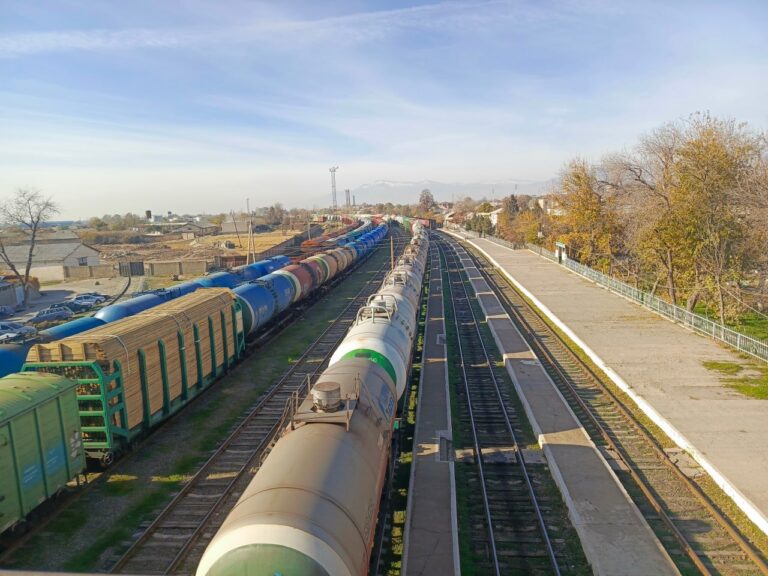
In accordance with government’s resolution, these products include food, diesel fuel and gasoline.
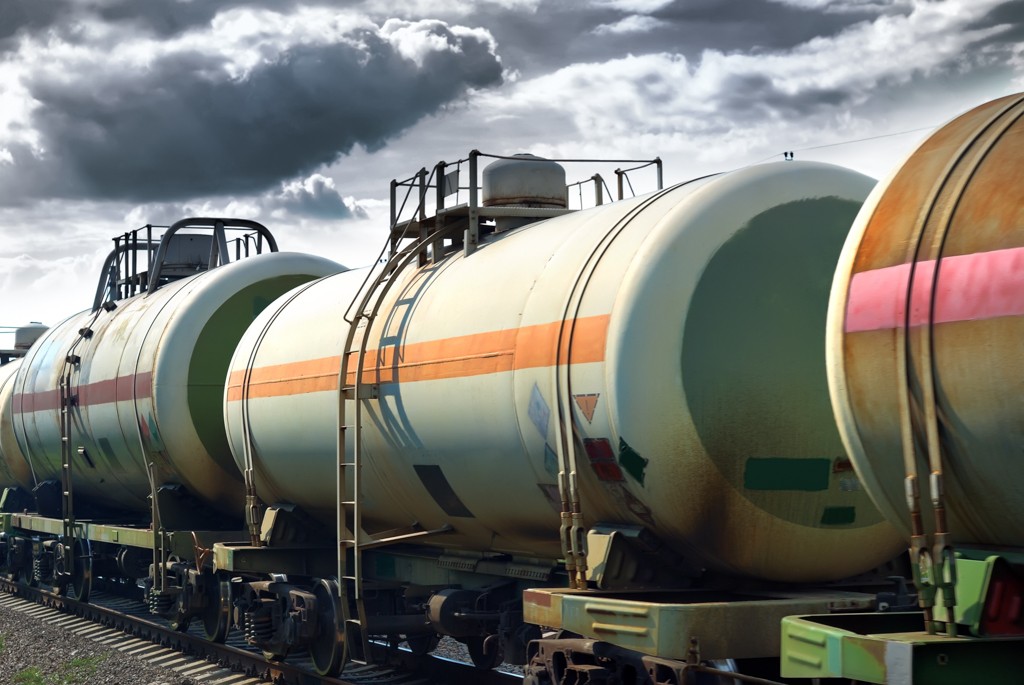
Thus, import of 80,000 tons of wheat flour, 20,000 tons of sugar, 200 tons of meat, 5,000 tons of vegetable oil, 5,000 tons of wheat flour, 2,000 tons of rice, 30,000 tons of diesel fuel, and 15,000 tons of gasoline is exempted from payment of the value added tax (VAT) and customs duties.
These products are reportedly bought and supplied to the country in the framework of a loan attracted from the Islamic Development Bank (IsDB).
Recall, Tajikistan’s lower chamber (Majlisi Namoyandagon) of parliament on March 31 enhanced the bill on amendments proposed to the country’s laws on the national budget for 2021. The amendments, in particular, provide for exempting the Agency on State Material Reserves from paying VAT, excise tax and customs duties on food and fuel deliveries.
The tax benefits are reportedly granted to the Agency for the purpose of curbing prices for gasoline and basic food products in the country.
Members of the Association of Suppliers of Petroleum Products and Liquefied Natural Gas of Tajikistan in early April sent a letter to President Emomali Rahmon, which, in particular, notes that amendments offered to the country’s law on the national budget for 2021 violate the norms of the country’s law on protection of competition.
The letter signed by the Association director Yorahmad Begahmadov and top managers of 18 fuel supply companies, said that the Association members control 80 percent of the country’s fuel market, while the share of the Agency on State Material Reserves in the country’s fuel market over the past two years has been only 3.0 percent.
Authors of the letter noted that benefits provided by the government to the Agency on State Material Reserves significantly reduce its fuel import costs and they ask the president for the same benefits.
Otherwise, the Association members will not be able to compete and will be forced to leave the market, the letter said.