

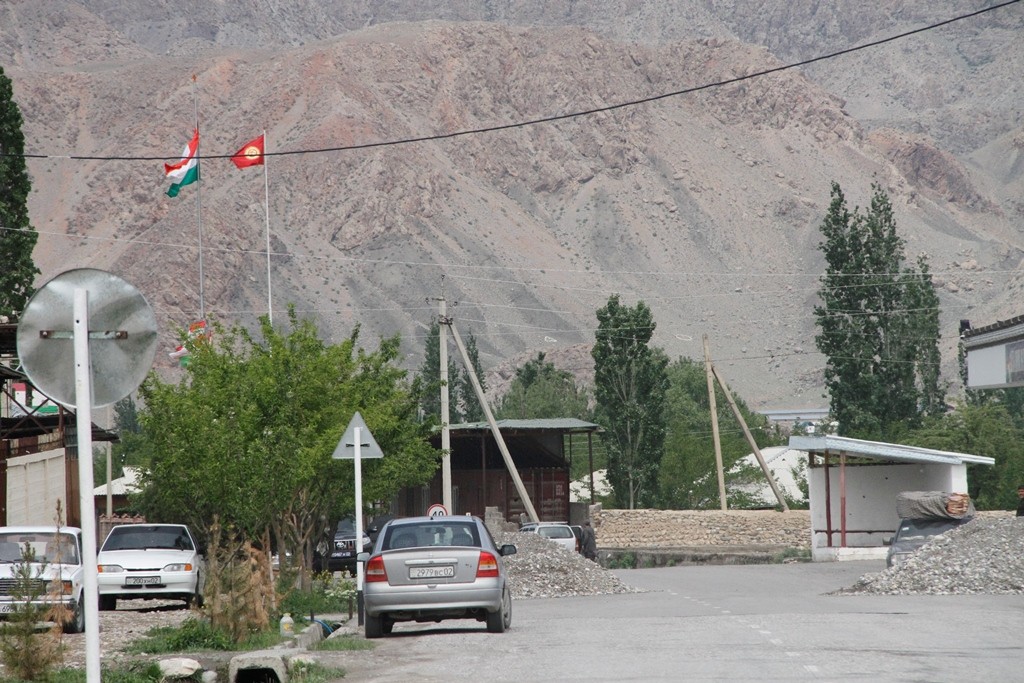
Tajik journalist Nematullo Mirsaidov says that it was initially clear that the deadlines for the implementation of the Tajik-Kyrgyz agreements on border issues were not realistic.
“It is impossible to solve the issues, which have not been solved for decades, in such a short time,” said Mirsaidov. “Demarcation of a state border is a huge case.”
To achieve the desired results, it is necessary to take into consideration interests of each other and study well proposals of each other,” Tajik journalist noted.
According to him, the most important thing is not to offer unrealistic solutions, “which lead the parties to a standstill”
“Apparently, the Kyrgyz side is interested in such a way [unrealitistic solution – Asia-Plus]. It is beneficial for them that delimitation and demarcation process lasts a long time. Since most of the disputed areas are currently in the use of the Kyrgyz, it will be difficult to prove their disputability after 10-15 years,” he said.
Over this period, the Kyrgyz side will make these lands its own, as it did before, the journalist said.
He notes that resolving these issues has been taking a long time, but the parties should not put pressure on each other.
“It is not calm in the border areas, shots are heard… Kyrgyzstan has conducted military exercises right near the border and their drones have been detected in our territory. What does it say, what do they want, preparing for the next war?” the expert poses the question. .
According to him, no issues will be resolved until it is calm in the border areas, until the parties stop thinking about revenge the pressure to change the negotiation process.
“The parties must understand that both sides have suffered and will suffer in the war. It is wrong to compare who suffered more and who suffered less. Both sides should try to ensure that the local population could live calmly and comfortably that includes joint use of roads, disputable pastures… Then it will be possible to deal with other issues,” Mirsaidov added.
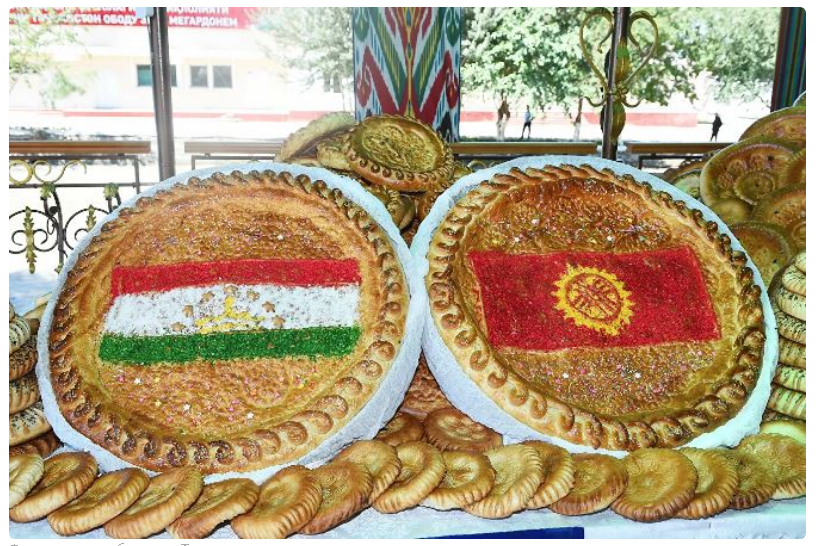
Kyrgyz independent researcher Ermek Baisalov also notes that the situation on the border between Kyrgyzstan and Tajikistan is far from calm, especially in recent years. According to him, Conflicts between residents of border areas arise regularly.
The latest armed cross-border conflict between Kyrgyzstan and Tajikistan has reportedly brought mutual hostility from the previous local level to a national scale in both countries
“In a recent study by the International Republican Institute, Kyrgyz society cited neighboring Tajikistan as the country with which they have the worst relations. This is largely influenced by the situation at the borders. A colossal demand has matured in the society of the two countries to resolve border issues and build stable, conflict-free, good-neighborly relations,” the Kyrgyz expert says.
“The countries of the region need to continue to conduct active bilateral dialogue and cooperation, while simultaneously using various regional or other platforms and mechanisms to discuss common regional and bilateral issues such as the use of water and other resources, economy and transport routes, security, etc,” Baisalov said, noting that common economic zones, open borders, or the establishment of a different supranational identity, combined with careful and balanced enclave management, can lead the Central Asian nations to a situation where the issue of enclaves and the problems they create becomes less worrisome.
“First of all, we need political will, dialogue, and the search for difficult compromises. This is a difficult and long process, but the main thing is that there should be a desire between neighbors to resolve sensitive issues through negotiations. It is hoped that such measures can create a better environment for discussing and resolving other important issues in the region, such as water management and general security in the region,” the expert added.
Recall, the latest clash along Tajikistan’s common border with Kyrgyzstan was the bloodiest one in the region over the past 20 years. A dispute over irrigation water triggered a clash between Tajikistan and Kyrgyzstan occurred on April 28-29. The countries have agreed a complete ceasefire after the worst violence in decades along the Tajik-Kyrgyz border that killed 55 people and wounded more than 300 other people.
