DUSHANBE, January 30, Asia-Plus – Tajikistan intends to diversify its export potential through launching enterprises with deep processing of raw materials in the country, Economic Development and Trade Minister Ghulomjon Boboyev told journalists yesterday.
According to him, under the government program for increasing the country’s export potential, the development priorities include enhancement of energy sector, mining, launch of enterprises with deep processing of cotton and other far produce. The government also set a task to organize production of finished goods from cotton that will allow increasing Tajik exports several times, the minister said.
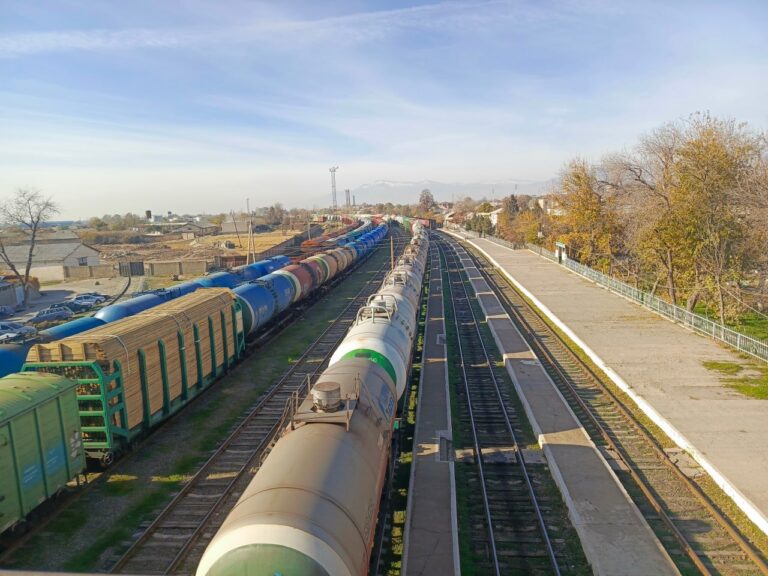
Compared to 2005 an external trade turnover of Tajikistan, including electric power and natural gas, in 2006 increased by 39.4 and amounted to $3.1216 billion. The trade balance was negative and amounted to $323.6 million. Exports of goods in 2006 amounted to 1.399 billion and imports of goods into the republic last year amounted to $1.7226 billion.
The minister named Russia as one of the main strategic economic partners of Tajikistan.
“The largest JV in Tajikistan is the joint-stock company (JSC) Sangtuda-1, in which Russia assumes 75% ownership interest,” the minister said, noting that Tajikistan is ready to continue cooperation with Russia on reconstruction of the Tajik aluminum plant.
Boboyev noted that of 250 joint ventures operating in Tajikistan, 51 had been launched with participation of Chinese investments.
According to him, the ministry supports an idea of the establishment of three economic zones in Tajikistan. He added that the ministry is currently working on this issue and will submit its proposals for consideration to the government soon.
The minister stressed that a number of factors contribute to increase in flow of investments in Tajikistan’s economy. “Among them is Tajikistan’s admission to the World Trade Organization (WTO),” Boboyev said, pointing to the necessity of providing openness and transparency of the country’s market.
According to him, the government will consider a bill giving investment guarantees within the next few days.
According to presidential press service, the next session of the government to sum up Tajikistan’s economic results in 2006 will be held on January 31.