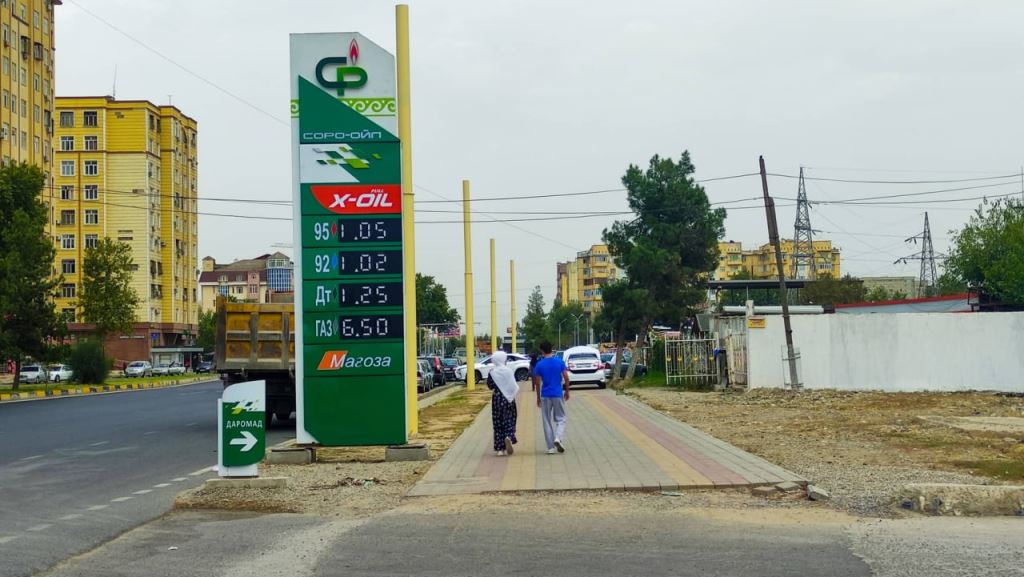
Liquefied natural gas (LNG) prices are continuing to rise in Tajikistan. Over the past couple of days, the price for one liter of liquefied natural gas in Dushanbe, Kulob region of Khatlon province and the Gorno Badakhshan Autonomous Region (Has) has risen on average 7.16 percent.
In Dushanbe and Kulob region, the price for one liter of LNG prices rose from 6.20 somonis on August 22 to 6.60 somonis on August 24 (6.45-percent increase).
In the Gorno Badakhshan Autonomous Region, the price for one liter of LNG rose from 7.00 somonis on August 22 to 7.60 somonis on August 24 (8.6-percent increase).
Meanwhile, LNG prices in Khujand, the capital of Sughd province, and Bokhtar, the capital of Khatlon province, have remained unchanged – 6.10 and 6.30 somonis, respectively.
Official sources from the Antimonopoly Agency and the Ministry of Energy and Water Resources, which are responsible for fuel imports into the country, could not explain the reason for the current rise in the LNG price.
Meanwhile, top manager of one companies, engaged in delivering fuels to the country, speaking on the basis of anonymity said that the LNG price hike has resulted from the increase in its value on the stock exchange.
“The rise in price has nothing to do with Tajikistan. The price changes on the stock exchange. This is temporary and the price may fall again,” he said.
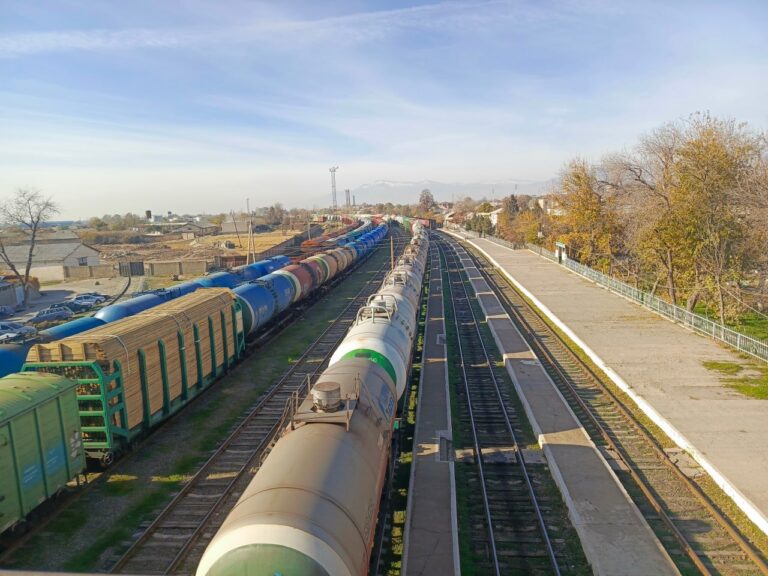
It is to be noted that more than 60 percent of the country's motor vehicles use liquefied natural gas as fuel.
In 2021, about 87 percent of petroleum products came more Russia, 7.3 percent from Kazakhstan, 2.6 percent from Uzbekistan, 2.4 percent from Turkmenistan, and the rest came from other countries.
Kazakhstan provides the bulk of Tajikistan's liquefied natural gas imports (93 percent of the country's overall LNG imports).
The Antimonopoly Agency specialists had earlier said that fuel prices are usually frozen or even fall in winter due to a decline in demand and they rise in summer and autumn as the countries providing the bulk of Tajikistan’s fuel imports limit sales in connection with harvest seasons.