Who will now pay for the migrants’ deportation from Russia?

The Parliament of Tajikistan has approved an important readmission agreement with Russia on the obligation of Tajikistan to take back migrants in case they violate Russian laws, Radio Ozodi writes. On June 26, the government submitted the readmission agreement and the procedure for its implementation to Parliament for ratification, and the people's deputies, apparently, approved […]

Radio Ozodi

The Parliament of Tajikistan has approved an important readmission agreement with Russia on the obligation of Tajikistan to take back migrants in case they violate Russian laws, Radio Ozodi writes.

On June 26, the government submitted the readmission agreement and the procedure for its implementation to Parliament for ratification, and the people's deputies, apparently, approved it before going on summer vacation on June 30.

In a government decree, a copy of which was made available to Radio Ozodi on August 12, deputies are recommended to approve the agreement signed by Russia in 2021 and Tajikistan in February 2022.

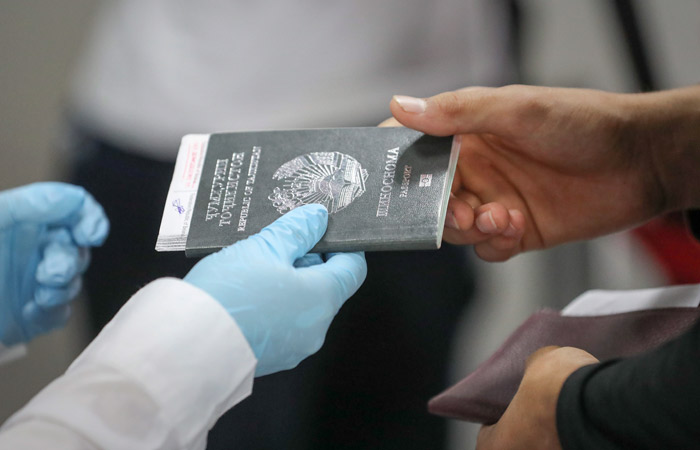
The document primarily concerns the fate of hundreds of thousands of Tajik migrants who live and work in Russia.

Readmission is the consent of the state to receive back to its territory its citizens (as well as, in some cases, foreigners who previously were or lived in this state) who are forced to be deported from another state, in particular from Russia.

Tajik authorities stated that the terms of this agreement do not meet the interests of Tajikistan either from a financial point of view or from a legal point of view. If the agreement is signed, the Government of the Republic of Tajikistan undertakes to bear the costs of deporting thousands of Tajik migrants expelled from Russia for violating the rules of stay in this country.

In the initial draft of the Readmission Agreement with Tajikistan, which was proposed by Russia to the Government of the Republic of Tajikistan in 2016, it was assumed that the costs of expelling migrants from the country should be paid either by the migrants themselves or by third parties.

Currently, if a court orders the deportation of a Tajik migrant, he must pay for a plane or train ticket on his own, and if he does not have such an opportunity, then either his friends lend him money or users announce a fee to send him home.

At the moment, it is unknown who will bear the costs of deporting illegal migrants.
Join us on social media!

Article translations:

Related Article

Оби зулол
Оби зулол

Most Read

Recent Articles

The only GPW veteran in Dushanbe allocated more than 80,000 somoni

The mayor's office of Dushanbe allocated him 25,000 somoni.

GITEX AI Kazakhstan 2026: how Almaty became the main AI hub of Central Asia

More than 300 companies and startups, over 200 speakers and 100 investors from 50 countries — the region is entering the global stage.

A trade and economic park to be built at the border junction of Tajikistan, Kyrgyzstan, and Uzbekistan

President of the Kyrgyz Republic Sadyr Japarov familiarized himself with the project.

A project to protect soil from degradation to be developed in Central Asia

The initiative is of great significance for the mountainous countries of the region, including Tajikistan.

Mudslide, death, and destroyed homes: hundreds of families in Tajikistan left homeless

A correspondent from "Asia-Plus" visited Kulob and spoke with the families of those who died and were affected by the disaster.

Spring 2026 bright event: new issue of VIPzone now on sale

This issue is about people and ideas that change everything: from business and investments to fashion, food, and urban environment.

Godfrey Sullivan: “Tajikistan is a promising market for Visa to develop digital payments”

The Vice President of Visa explained why Tajikistan is becoming a promising market for digital payments and how artificial intelligence is influencing the future of finance.

Seven students in Dushanbe were threatened with expulsion for arriving at universities in personal cars

The materials for each case have been sent to the Ministry of Education and Science for appropriate actions.

India’s blockchain push and lessons for the global south

The Indian Government has started pushing aggressively its agenda...

India’s blockchain push and lessons for the global south

The Indian Government has started pushing aggressively its agenda...