The Asian Development Bank (ADB) committed a record amount of climate finance in 2023 to help its developing member countries (DMCs) in Asia and the Pacific cut greenhouse gas emissions and adapt to the impacts of a warming planet.
Press release issued by ADB says the Bank committed US$9.8 billion in climate finance from its own resources last year—US$5.5 billion for mitigation and US$4.3 billion for adaptation—a more than 46% increase on its 2022 climate financing commitments.
The Bank’s climate adaptation finance commitments in 2023 mean that ADB has provided more than US$10.4 billion in cumulative adaptation financing from 2019 to 2023—surpassing its target of US$9 billion in 2019–2024 a year early. Adaptation financing is critical in Asia and the Pacific which is experiencing more extreme heat, droughts, and heavy rains, but where investments in adaptation remain a fraction of what is required.
“Climate change threatens the future of all development. 2023 was the hottest year on record and saw a swath of extreme, deadly climate impacts in our region,” said ADB President Masatsugu Asakawa. “This crisis threatens energy and food security and creates fiscal challenges. As the climate bank for Asia and the Pacific, ADB is deeply committed to helping our developing members de-fossilize their economies, progress along their climate transition pathways, and achieve their net-zero goals. We must act together, with urgency and at scale.”
The Asia-Pacific region originates more than half of global carbon dioxide emissions while also being acutely vulnerable to the impacts of climate change. The region needs to invest an estimated $3.1 trillion per year in energy and transport assets alone to meet net zero by 2050—around 50% more than current levels.
As Asia and the Pacific’s climate bank, ADB aims to provide US$100 billion in climate financing from its own resources from 2019 to 2030. In 2022, ADB committed $6.7 billion of climate finance from its own resources, including $4 billion for mitigation and $2.7 billion for adaptation.
ADB’s flagship climate projects in 2023 include a US$400 million policy-based loan to help Bangladesh implement its national adaptation plan and pursue climate-focused development; a US$1 billion loan to help deploy the Philippines’ first large-scale electric bus system in Davao City; and an $18 million grant from the Asian Development Fund (ADF) to improve the resilience, inclusiveness, and sustainability of water supply and sanitation services in the Federated States of Micronesia. The ADF provides grants to ADB's lower-income DMCs to promote poverty reduction and improvements in the quality of life.
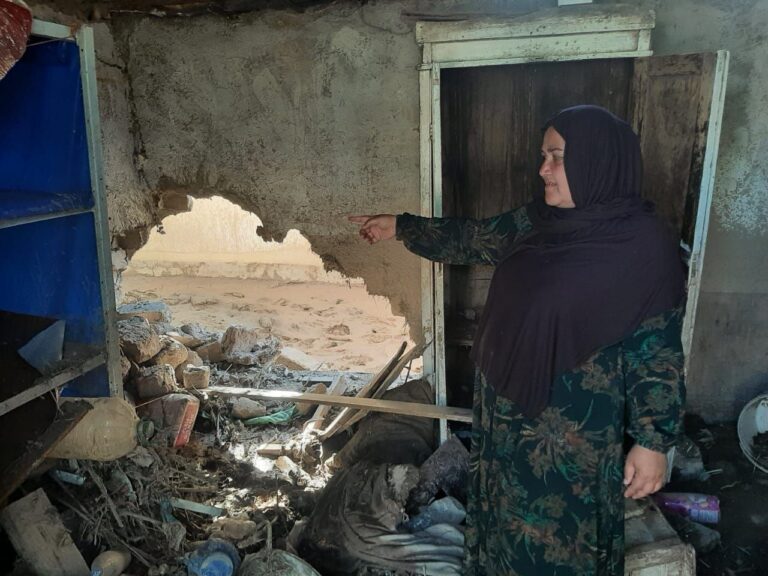
To strengthen Tajikistan’s resilience to climate risks, 73% of ADB ongoing projects in 2023 had climate mitigation or adaptation measures, including climate-proofed infrastructure, green buildings, energy efficiency, early warning systems, tree planting, and others.
Under the bank’s country partnership strategy for 2021-2025, ADB operations in Tajikistan focus on three strategic priorities – supporting structural reforms to enhance resource allocation and mobilization, improving labor productivity through human capital development, and fostering better livelihoods through strategic investments.
Established in 1966, the Asian Development Bank is owned by 68 members—49 from the region.