The Eurasian Fund for Stabilization and Development (EFSD) prepared a new working paper entitled “Assessing the Potential Impact of Natural Disasters on Debt Sustainability of Armenia, Kyrgyzstan and Tajikistan.”
The report, in particular, notes that due to their geographical location, relatively small territory and highly concentrated economy, natural disaster risks can have a significant impact on the macroeconomic indicators of these countries.
According to the EFSD press center, as part of the study, country profiles were compiled, including systematized information on geography, climate, demography and economics, as well as a compilation and analysis of data on past natural disasters.
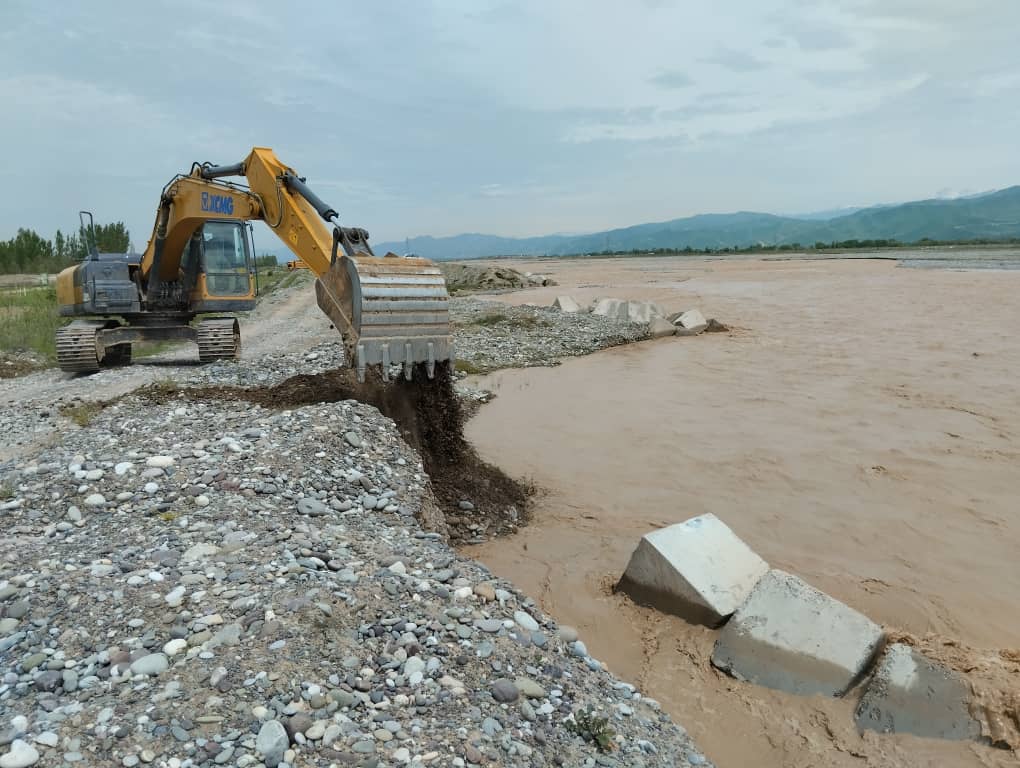
Based on the analysis of historical data, it was concluded that the main threat from possible natural disasters for the economic sustainability of Armenia is earthquakes and droughts, for Kyrgyzstan and Tajikistan – earthquakes and floods.
EFSD experts have reportedly developed an action algorithm that can be used to assess the impact of natural disasters on macroeconomic parameters and the debt sustainability of the country. This algorithm includes several stages: 1) selection of the analyzed type of natural disaster; 2) assessment of the amount of direct economic damage from a natural disaster; 3) assessment of the impact of this damage on various macroeconomic indicators using general equilibrium models (QPM model); and 4) implementation of stress testing within the framework of the debt sustainability analysis (DSA) system in order to identify risks to the solvency of the state.
The Deputy Executive Director – Chief Economist of the EFSD Sergei Ulatov notes that the presented approach and assessments can be used to develop fiscal strategies, as well as strategies for counteracting natural disasters and adapting to their consequences.
“This, in turn, will contribute to more effective management of financial risks and ensuring the stability of economic development,” Ulatov added.
The Eurasian Fund for Stabilization and Development (EFSD) is a regional financial mechanism with a volume of more than US$9 billion, which was established in 2009 by Armenia, Belarus, Kazakhstan, Kyrgyzstan, Russia and Tajikistan. The Fund was established to overcome the negative consequences of the crisis, ensure long-term sustainability and promote the integration of the economies of the Fund's member nations.