EFSD presents assessment of potential impact of natural disasters on debt sustainability of Tajikistan

The Eurasian Fund for Stabilization and Development (EFSD) prepared a new working paper entitled “Assessing the Potential Impact of Natural Disasters on Debt Sustainability of Armenia, Kyrgyzstan and Tajikistan.” The report, in particular, notes that due to their geographical location, relatively small territory and highly concentrated economy, natural disaster risks can have a significant impact on […]

Asia-Plus

The Eurasian Fund for Stabilization and Development (EFSD) prepared a new working paper entitled “Assessing the Potential Impact of Natural Disasters on Debt Sustainability of Armenia, Kyrgyzstan and Tajikistan.”

The report, in particular, notes that due to their geographical location, relatively small territory and highly concentrated economy, natural disaster risks can have a significant impact on the macroeconomic indicators of these countries.

According to the EFSD press center, as part of the study, country profiles were compiled, including systematized information on geography, climate, demography and economics, as well as a compilation and analysis of data on past natural disasters.

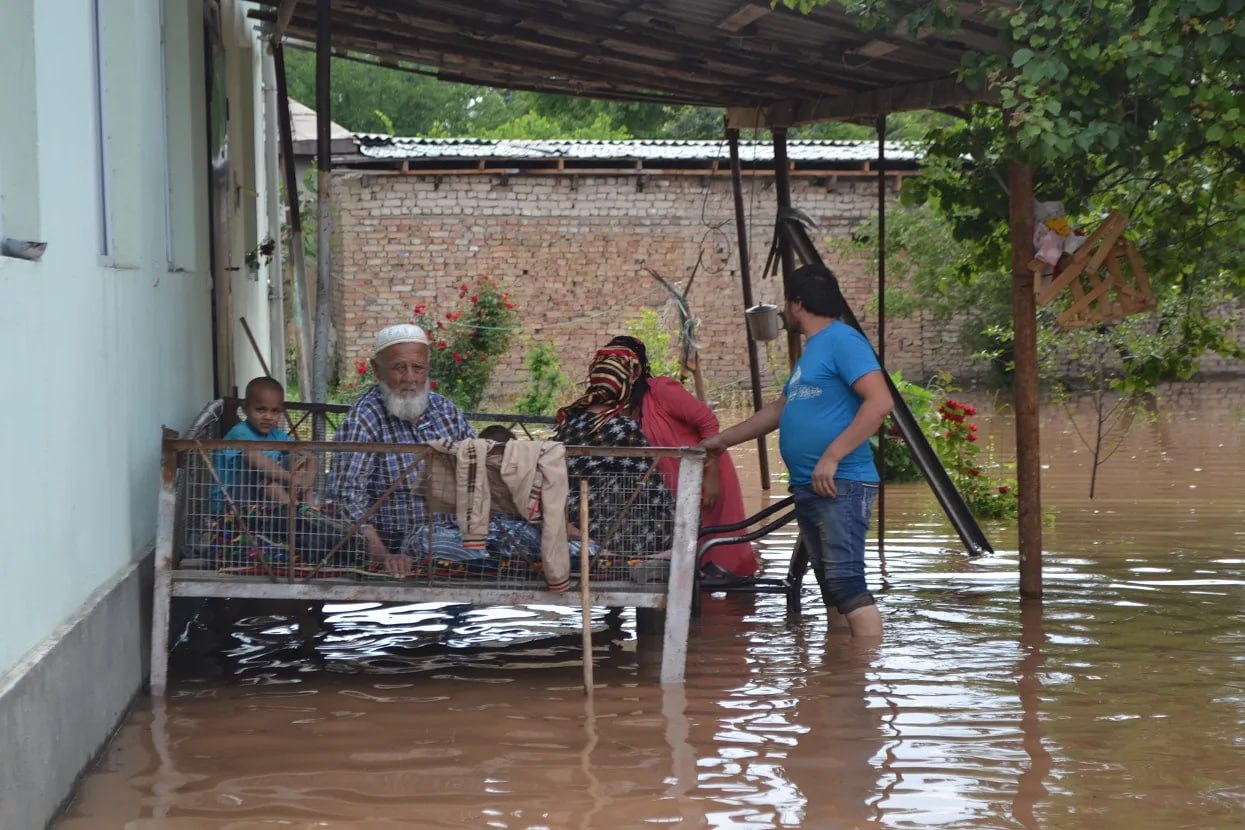
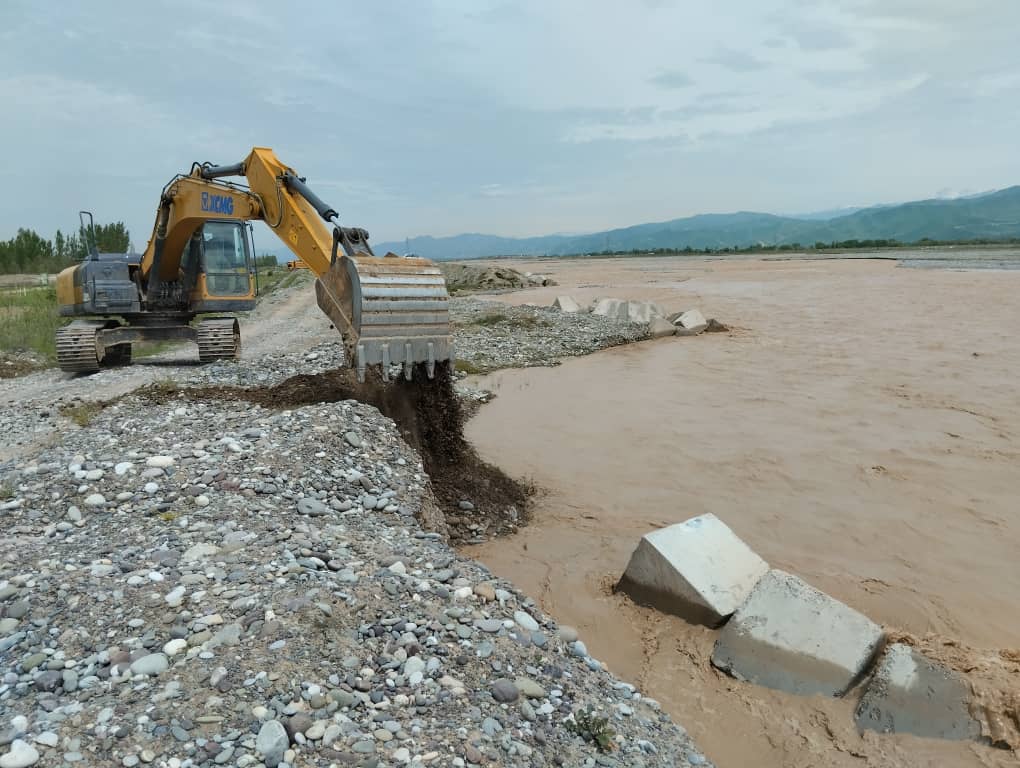
Based on the analysis of historical data, it was concluded that the main threat from possible natural disasters for the economic sustainability of Armenia is earthquakes and droughts, for Kyrgyzstan and Tajikistan – earthquakes and floods.
EFSD experts have reportedly developed an action algorithm that can be used to assess the impact of natural disasters on macroeconomic parameters and the debt sustainability of the country.  This algorithm includes several stages: 1) selection of the analyzed type of natural disaster; 2) assessment of the amount of direct economic damage from a natural disaster; 3) assessment of the impact of this damage on various macroeconomic indicators using general equilibrium models (QPM model); and 4) implementation of stress testing within the framework of the debt sustainability analysis (DSA) system in order to identify risks to the solvency of the state.

The Deputy Executive Director – Chief Economist of the EFSD Sergei Ulatov notes that the presented approach and assessments can be used to develop fiscal strategies, as well as strategies for counteracting natural disasters and adapting to their consequences.

“This, in turn, will contribute to more effective management of financial risks and ensuring the stability of economic development,” Ulatov added.

The Eurasian Fund for Stabilization and Development (EFSD) is a regional financial mechanism with a volume of more than US$9 billion, which was established in 2009 by Armenia, Belarus, Kazakhstan, Kyrgyzstan, Russia and Tajikistan.  The Fund was established to overcome the negative consequences of the crisis, ensure long-term sustainability and promote the integration of the economies of the Fund's member nations.

Join us on social media!

Article translations:

Related Article

Оби зулол
Оби зулол

Most Read

Recent Articles

The only GPW veteran in Dushanbe allocated more than 80,000 somoni

The mayor's office of Dushanbe allocated him 25,000 somoni.

GITEX AI Kazakhstan 2026: how Almaty became the main AI hub of Central Asia

More than 300 companies and startups, over 200 speakers and 100 investors from 50 countries — the region is entering the global stage.

A trade and economic park to be built at the border junction of Tajikistan, Kyrgyzstan, and Uzbekistan

President of the Kyrgyz Republic Sadyr Japarov familiarized himself with the project.

A project to protect soil from degradation to be developed in Central Asia

The initiative is of great significance for the mountainous countries of the region, including Tajikistan.

Mudslide, death, and destroyed homes: hundreds of families in Tajikistan left homeless

A correspondent from "Asia-Plus" visited Kulob and spoke with the families of those who died and were affected by the disaster.

Spring 2026 bright event: new issue of VIPzone now on sale

This issue is about people and ideas that change everything: from business and investments to fashion, food, and urban environment.

Godfrey Sullivan: “Tajikistan is a promising market for Visa to develop digital payments”

The Vice President of Visa explained why Tajikistan is becoming a promising market for digital payments and how artificial intelligence is influencing the future of finance.

Seven students in Dushanbe were threatened with expulsion for arriving at universities in personal cars

The materials for each case have been sent to the Ministry of Education and Science for appropriate actions.

India’s blockchain push and lessons for the global south

The Indian Government has started pushing aggressively its agenda...

India’s blockchain push and lessons for the global south

The Indian Government has started pushing aggressively its agenda...