Ivo Lansky, Senior Director of Nokia for Central and Eastern Europe, Turkey, and Central Asia, visited Dushanbe to sign agreements with local companies and discuss Nokia's future plans.
In a significant move to bolster its presence in Central Asia, Nokia has signed agreements with local companies NETS, a leading internet service provider, and TTL (Telecom Technology), the first internet service provider in Tajikistan.
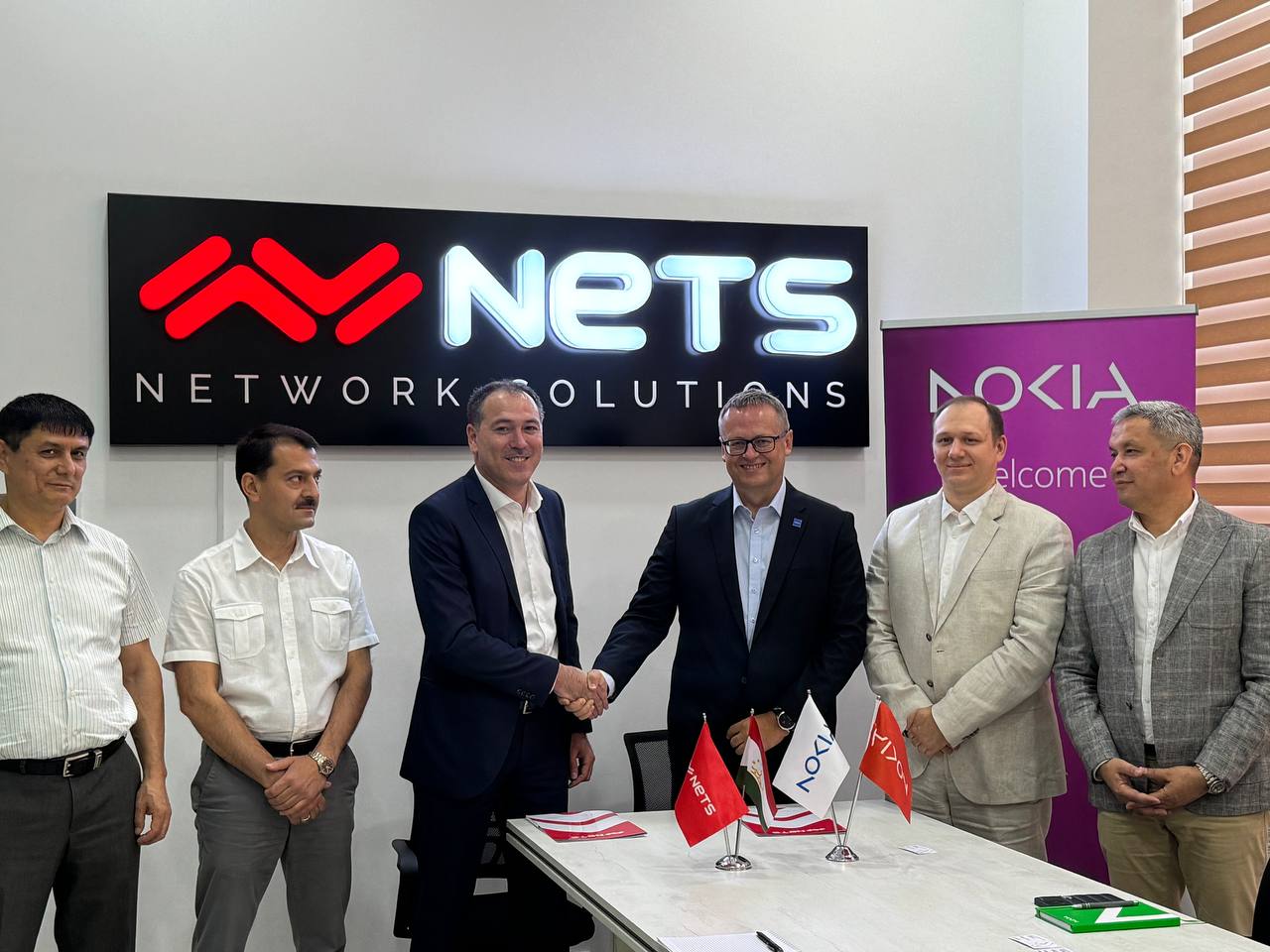
We spoke with Ivo Lansky, Senior Director of Nokia for Central and Eastern Europe, Turkey, and Central Asia. He recently visited Dushanbe, Tajikistan, to finalize these partnerships, marking a new chapter in Nokia’s collaboration with its customers towards digital transformation in the region.
While Nokia’s mobile phones were iconic, Lansky explains that the company’s activities have long expanded beyond mobile device manufacturing. Today, Nokia is a global leader in B2B technology innovations in networking technologies. “Nokia’s digital transformation solutions and services are utilized not only by service providers, webscale companies, enterprise and industry verticals but also by governments,” says Lansky.
Nokia has been on the market for over 150 years, present in 130 countries worldwide, achieving over €22 billion in net sales in 2023. In the era of 5G, Nokia holds over 6,000 patents for new technologies that are now being implemented in wireless networks. Additionally, Nokia has won ten Nobel Prizes for innovations.
Nokia’s Commitment to Central Asia
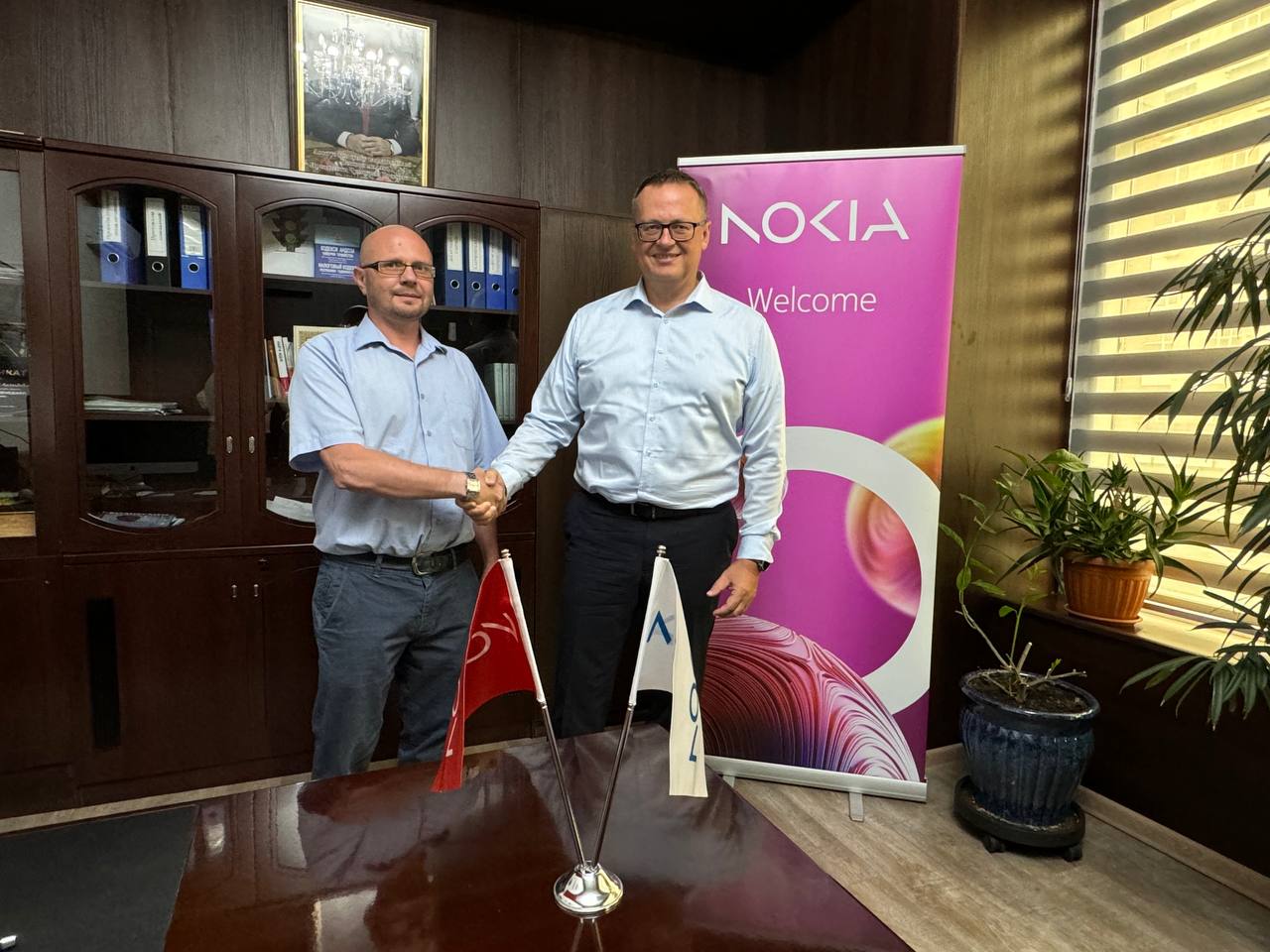
Lansky's visit to Dushanbe underscores Nokia’s commitment to supporting the digitalization efforts in Central Asia. The agreements with NETS and TTL are designed to upgrade current IP infrastructure and improve broadband internet. This initiative also focuses on exploring enterprise business opportunities in Tajikistan.
“Broadband Internet growth is a global phenomenon, with traffic increasing approximately 28% annually. For us, Central Asia is an important high-capacity Internet crossroad between Europe and Asia, and it represents a very interesting strategic market fueled by growing economies. We believe that operators like NETS, TTL, and others can benefit from Nokia's advanced IP routing technologies for their existing networks modernization,” Lansky stated.
Leading in Technological Advancements
Nokia prides itself in leveraging innovation and driving technological advancements and is a global market leader in IP routing technologies providing robust solutions for telecom operators, ISPs, enterprises, and governments worldwide. Lansky emphasized Nokia's innovative products and services, which are designed to meet the increasing global demand for broadband Internet.
“Our complete IP routing portfolio, designed for mission-critical networks, and our industry-first 800GE deployments that leverage our in-house FP5 silicon, exemplify our commitment to innovation. Our IP routing platforms can provide high-speed, reliable internet access even in challenging terrains and conditions in Tajikistan for any access technology. Nokia’s unique capability to terminate both fixed internet and 4G/5G mobile broadband customers at large scale on a single IP router is an industry game changer to scale Fixed Wireless Access (FWA) deployments in a highly economical way,” Lansky explained.
Addressing AI and Security Challenges
The impact of Artificial Intelligence (AI) on our industries and societies will be high and bring more challenges to providers in terms of capacity as well as security. Certainly, the rise of new AI applications and services creates an ever-increasing demand for low latency and high-bandwidth connections. Nokia's advanced routers are equipped to handle these requirements efficiently. Additionally, the company is proactive in addressing data security with end-to-end services encryption, and highly automated Distributed Denial of Service (DDoS) threat detection and mitigation.“

AI is driving network traffic even higher. Networks powered by Nokia advanced routers are designed to handle these demands highly efficiently. Our next-generation DDoS security solution combines advanced IP routing elements and AI/ML models for fast and automated detection and mitigation at scale,” Lansky noted.
Plans for Tajikistan and Beyond
Nokia is committed to supporting the IP Routing business and Broadband Internet initiatives in Central Asia with plans to organize a business and expert forum event in Dushanbe later this year. This event will include a roundtable discussion with industry professionals, telecom workshops, and business talks, further cementing Nokia’s role in the region's digital transformation.
“We work with partners to modernize IP networks and support the latest industry trends and security requirements. In Tajikistan, we are collaborating with partners to enhance broadband services and explore enterprise business opportunities,” Lansky mentioned.
A Promising Future
Lansky’s visit to Tajikistan was not just about business. He also took the opportunity to explore the local culture and natural beauty of the region, reinforcing Nokia’s commitment to building strong relationships with local communities.“My time in Dushanbe and Tajikistan has been truly inspiring. The people I met have been incredibly warm and welcoming, making me feel comfortable right away. I certainly look forward to coming back again soon,” Lansky concluded.

Nokia’s commitment and technological advancements signify a promising future for Central Asia's digital landscape, fostering growth and innovation across the region.