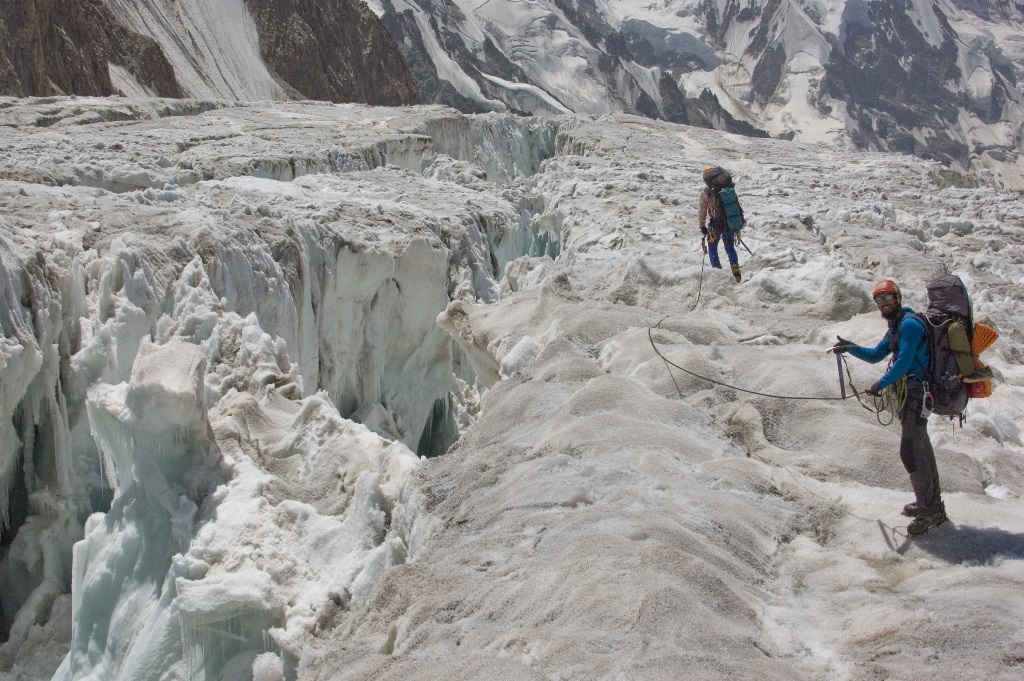
The first-ever high-level International Conference on Glacier Protection, which took place in Dushanbe on May 30-31, brought together over 2,500 participants from 80 countries. The conference featured sessions on glacier melting, threats to small island states, and access to water in the face of climate change.
Dushanbe Declaration: a global step toward glacier preservation
One of the conference’s key outcomes was the signing of the Dushanbe Declaration, an important international document that united the positions of dozens of countries on glacier conservation. The declaration underscores the rapid melting of glaciers, posing a threat to millions of people who rely on mountain rivers and freshwater resources.
Participants acknowledged the urgent need for action and called for a reduction in greenhouse gas emissions, a shift to eco-friendly production, and the implementation of glacier monitoring systems. The document also emphasizes the importance of developing scientific research and sharing knowledge between countries to find effective solutions.
Creation of a global coalition of countries and organizations
To ensure these commitments lead to tangible action, the creation of an international coalition was announced. This coalition will include countries, scientific institutes, international organizations, and social movements, with the aim of coordinating efforts to protect glaciers, monitoring the implementation of the declaration’s provisions, sharing best practices, and attracting investments for environmental projects and technological innovations.
Special attention will be given to supporting developing countries in accessing knowledge, finance, and technical capabilities.
Funding shortfalls for scientific research
Andrea Celeste Saulo, Secretary-General of the World Meteorological Organization, called for increased investment in scientific research. She pointed out that funding for glacier and climate process studies is extremely limited, while science is crucial for predicting risks and developing mitigation strategies. Saulo urged governments, international funds, and the private sector to support the creation of a sustainable monitoring system and provide opportunities for scientists to work.
Education: the key tool for future environmental protection
The conference also proposed integrating environmental programs into educational systems, particularly in mountainous regions. The idea is that the more people understand nature, climate, and resource conservation methods, the more effectively they can participate in environmental protection efforts. This includes adding glacier-related topics to school curricula, organizing training sessions, educational projects, and engaging with youth and local communities. The goal is to make environmental literacy part of daily life.
Creation of the glacier conservation fund – a new source of support
To fund specific glacier protection projects, it was decided to establish a special international fund. The fund will support the installation of monitoring equipment, scientific expeditions, restoration of water sources, and the implementation of technologies to reduce environmental harm. Governments, international organizations, private companies, and donors will be invited to participate. This fund will be especially crucial for countries with limited environmental protection resources.
Tajikistan joins the world conservation union
A significant moment at the conference was Tajikistan’s official membership in the International Union for Conservation of Nature (IUCN), an esteemed organization with over 1,400 members worldwide, including governments, NGOs, and scientific institutes. This membership will provide Tajikistan access to a global network of experts, knowledge, and funding for conservation projects, and enable the country to more actively participate in international environmental initiatives.
Tajik leader: "Each lost glacier particle is a step towards growing threats for humanity’s future"
In his speech, Tajikistan's President Emomali Rahmon noted that 2023 saw record glacier losses — approximately 600 gigatons of freshwater. This has caused sea levels to rise and led to severe ecological consequences. He stated that one-third of all mountain glaciers have already disappeared, and with a further increase in global temperatures by two degrees, humanity could lose another third.
Rahmon emphasized that glaciers are not just ice, but the foundation of freshwater resources, climate stability, and sustainable development. Their disappearance threatens water and food security, energy supplies, and could lead to mass migration.
To avoid the worst-case scenario, Rahmon proposed seven concrete steps:
- Raising awareness about the role of glaciers.
- Strengthening international cooperation.
- Expanding scientific research using satellite data.
- Adopting collective measures to mitigate consequences.
- Developing adaptation strategies.
- Creating early warning systems.
- Mobilizing financial and technical resources.
The Dushanbe conference has marked a milestone in global efforts to combat the alarming decline of glaciers, highlighting the importance of immediate action and international collaboration to secure a sustainable future.