In 2024, Tajikistan significantly increased its potato production, providing 120 kg per person annually, exceeding the standard consumption rate. However, the sector faces challenges, such as the use of low-quality seeds and technical issues. To address these, Tajikistan will establish a Center for Innovations and Technologies in Potato Seed Production.
On June 4, the national conference marking World Potato Day took place in Dushanbe, organized by the FAO in collaboration with the Ministry of Agriculture. The event highlighted Tajikistan's achievements in potato farming and discussed current challenges and future opportunities for sustainable sector development.
The conference also introduced the new project “Center for Innovations and Technologies in Potato Seed Production.” Supported by the FAO and the Ministry of Agriculture, the initiative aims to improve the seed production system by establishing a center focused on certified, healthy potato seeds suited to local conditions.
FAO Representative Aghasi Harutyunyan emphasized that this initiative is transformative. “Tajikistan has the potential to become self-sufficient in potato production. Innovations and targeted investments could boost productivity and increase rural incomes,” he said.
View of the situation in figures
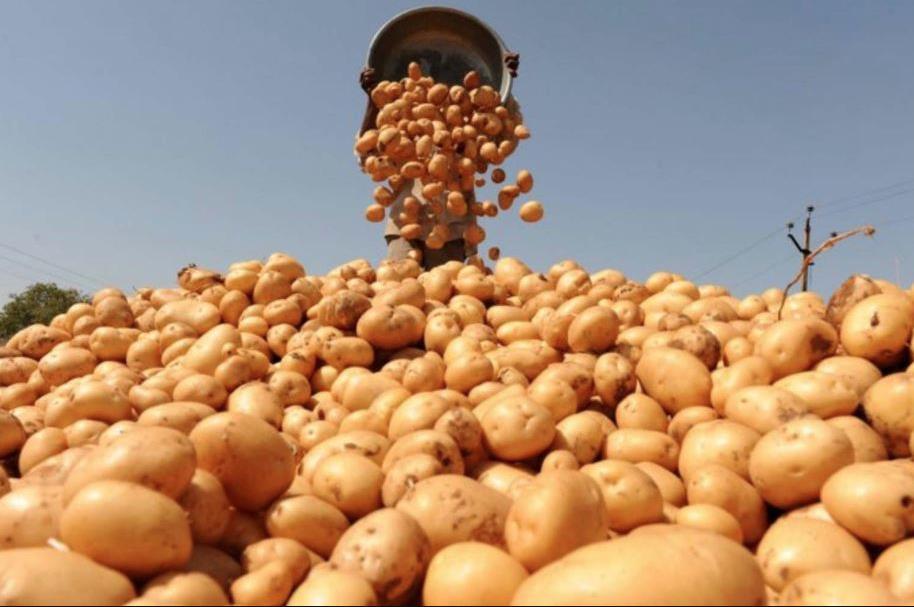
In 1991, Tajikistan’s potato farming covered 12.8 thousand hectares, producing 118 thousand tons, or 32.3 kg per person. By 2024, the area increased to 64.5 thousand hectares, with production reaching 1.264 million tons, ensuring 120 kg per person annually, well above the average consumption rate.
Ongoing issues
Despite progress, several issues persist. The use of table potatoes as seed material leads to poor quality crops, while elite varieties like "Elita" are difficult to distribute due to virus protection requirements. Additionally, outdated infrastructure and seed systems remain challenges. Temporary solutions like seed imports are not a long-term fix.
Positive example: "Sarob" Cooperative
Founded in 2011, the "Sarob" Cooperative supports farmers with high-quality seeds and agronomic advice. By adopting new technologies, the cooperative has achieved yields of 80-90 tons per hectare, far surpassing the average yield of 20 tons per hectare in other farms.
Tajikistan’s efforts to improve potato farming point toward a more sustainable and efficient agricultural sector, benefitting farmers and strengthening food security.