Casualties and damage announced in 12-day war between Israel and Iran

The armed conflict between Israel and Iran, which began on June 13 with a unilateral strike, ended on June 24 with a ceasefire agreement brokered by the United States and Qatar. The two sides reached a truce after intense bombing raids, rocket exchanges, U.S. airstrikes on Iranian territory, and Iran's official response.  On the night […]

Asia-Plus

The armed conflict between Israel and Iran, which began on June 13 with a unilateral strike, ended on June 24 with a ceasefire agreement brokered by the United States and Qatar.

The two sides reached a truce after intense bombing raids, rocket exchanges, U.S. airstrikes on Iranian territory, and Iran's official response.  On the night of June 25, both sides refrained from launching attacks, despite conflicting media reports about violations of the ceasefire conditions.  Residents in both Iran and Israel spent the night without further attacks.

In Tehran, residents gathered in "Enqelab Square," celebrating what they considered a victory, while Israelis were allowed to leave their shelters.  Amid this, official data on casualties and destruction began to emerge.


Iranian casualties

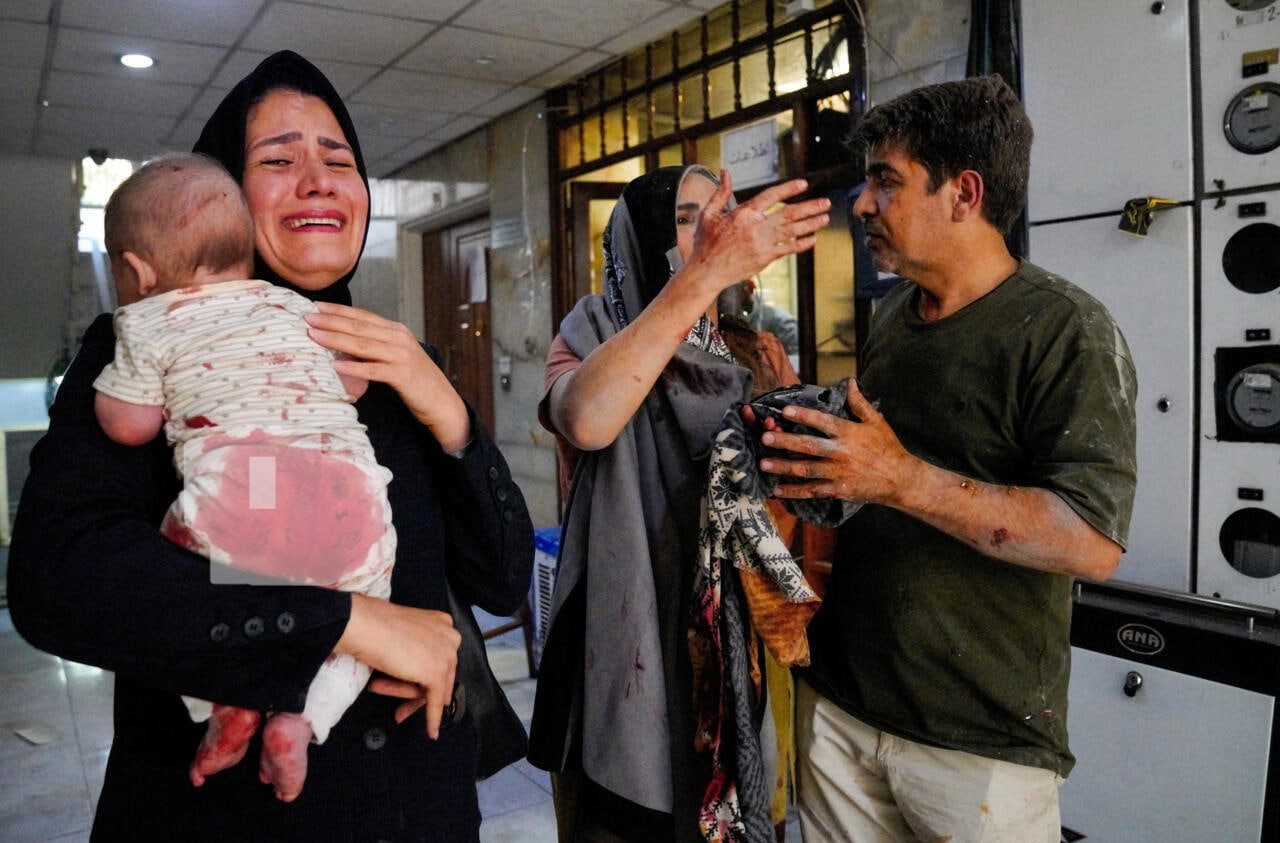
Iran's Ministry of Health released data on X (formerly Twitter) about the fatalities.  According to the official information, 610 people were killed in Israel's 12-day airstrikes on Iranian territory.  Among the victims were 13 children, the youngest just 2 months old, and 49 women, including two pregnant women.  Additionally, 5 medical and emergency service workers were killed.

The Ministry also reported that 4,746 people were injured during the 12 days of fighting.  Seven hospitals and nine ambulances were damaged due to the airstrikes.


Israeli casualties

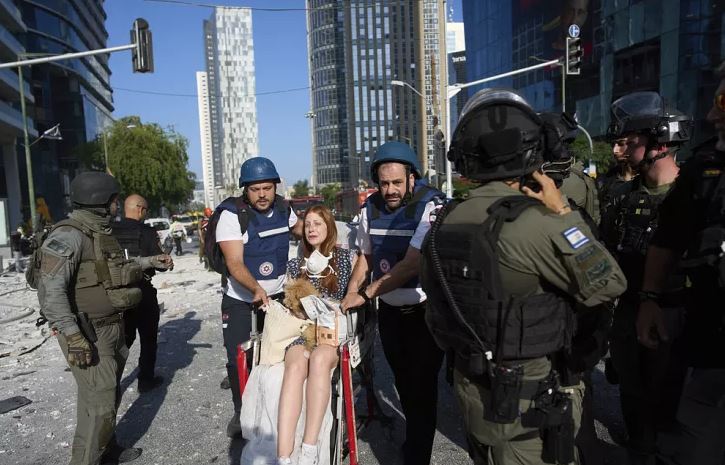
The Israeli side also disclosed the number of casualties.  The Times of Israel, citing the Israeli Defense Forces and the Ministry of Health, reports that 28 Israelis lost their lives in Iranian missile attacks.  One of the casualties was a military serviceman.

In total, 3,238 Israelis were injured in the missile strikes, with 23 in critical condition and 111 suffering moderate injuries.
The armed conflict, which lasted from June 13 to June 24, ended with a ceasefire agreement facilitated by the U.S. and Qatar.

Tajikistan welcomed the ceasefire agreement between the State of Israel and the Islamic Republic of Iran.

"Tajikistan hopes that these agreements will put an end to the war, which began with violations of international law, and lay a solid foundation for establishing lasting and sustainable peace in the Middle East," said a statement from the Ministry of Foreign Affairs of Tajikistan.


 

Join us on social media!

Article translations:

Related Article

Оби зулол
Оби зулол

Most Read

Recent Articles

The only GPW veteran in Dushanbe allocated more than 80,000 somoni

The mayor's office of Dushanbe allocated him 25,000 somoni.

GITEX AI Kazakhstan 2026: how Almaty became the main AI hub of Central Asia

More than 300 companies and startups, over 200 speakers and 100 investors from 50 countries — the region is entering the global stage.

A trade and economic park to be built at the border junction of Tajikistan, Kyrgyzstan, and Uzbekistan

President of the Kyrgyz Republic Sadyr Japarov familiarized himself with the project.

A project to protect soil from degradation to be developed in Central Asia

The initiative is of great significance for the mountainous countries of the region, including Tajikistan.

Mudslide, death, and destroyed homes: hundreds of families in Tajikistan left homeless

A correspondent from "Asia-Plus" visited Kulob and spoke with the families of those who died and were affected by the disaster.

Spring 2026 bright event: new issue of VIPzone now on sale

This issue is about people and ideas that change everything: from business and investments to fashion, food, and urban environment.

Godfrey Sullivan: “Tajikistan is a promising market for Visa to develop digital payments”

The Vice President of Visa explained why Tajikistan is becoming a promising market for digital payments and how artificial intelligence is influencing the future of finance.

Seven students in Dushanbe were threatened with expulsion for arriving at universities in personal cars

The materials for each case have been sent to the Ministry of Education and Science for appropriate actions.

India’s blockchain push and lessons for the global south

The Indian Government has started pushing aggressively its agenda...

India’s blockchain push and lessons for the global south

The Indian Government has started pushing aggressively its agenda...