A new UN-backed report has placed Central Asia among the world’s most climate-vulnerable regions, warning of intensified droughts, glacier loss, and mounting environmental and economic risks — with Tajikistan at the epicenter.
The Global Drought Outlook highlights how the accelerating retreat of glaciers and rising temperatures pose long-term threats to water security in the region, particularly in the mountainous zones of Tajikistan and Kyrgyzstan.
“Climate change is speeding up glacier melt… creating a long-term threat to regional water security,” the report states.
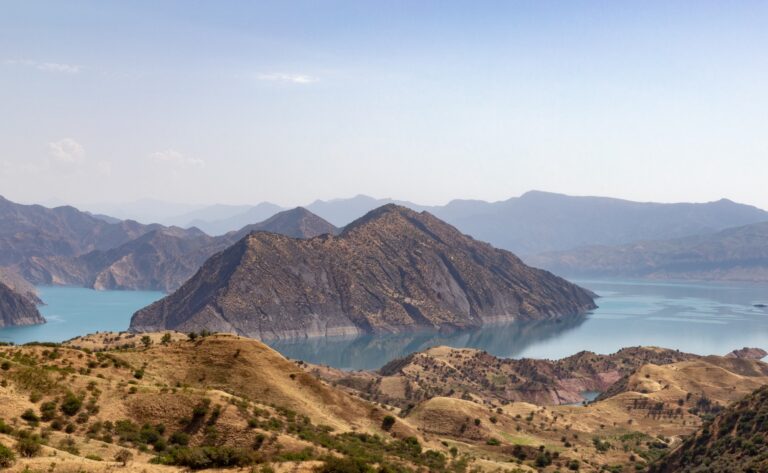
Tajikistan, which holds over 60% of Central Asia’s glaciers, has historically functioned as the “water tower” of the region. However, this role is increasingly unstable under the strain of climate change.
Agriculture under threat
The report identifies agriculture as the most drought-sensitive sector, particularly in Tajikistan, Uzbekistan, and Turkmenistan, where nearly all farming depends on irrigation.
“Farmers are facing unstable yields and falling incomes, especially in areas reliant on mountain runoff,” the study warns.
In 2023, Tajikistan experienced temperatures 1°C–2°C above normal, particularly during summer, according to the World Meteorological Organization (WMO). These higher temperatures are not only speeding up glacier retreat but also triggering heatwaves, droughts, and public health challenges.
According to the UN Food and Agriculture Organization (FAO), global drought events rose by 29% between 2000 and 2023, with Central Asia among the worst-affected regions. The impact extends beyond agriculture to energy, health, employment, and migration.
Water resources: uneven access
Despite generating over 60% of Central Asia’s river flows, Tajikistan faces its own water scarcity. The reasons are complex:
- Climate-induced glacier loss
- Deteriorating irrigation canals — many untouched for decades
- Up to 60% of water lost en route to fields
- Overlapping and inefficient water management systems
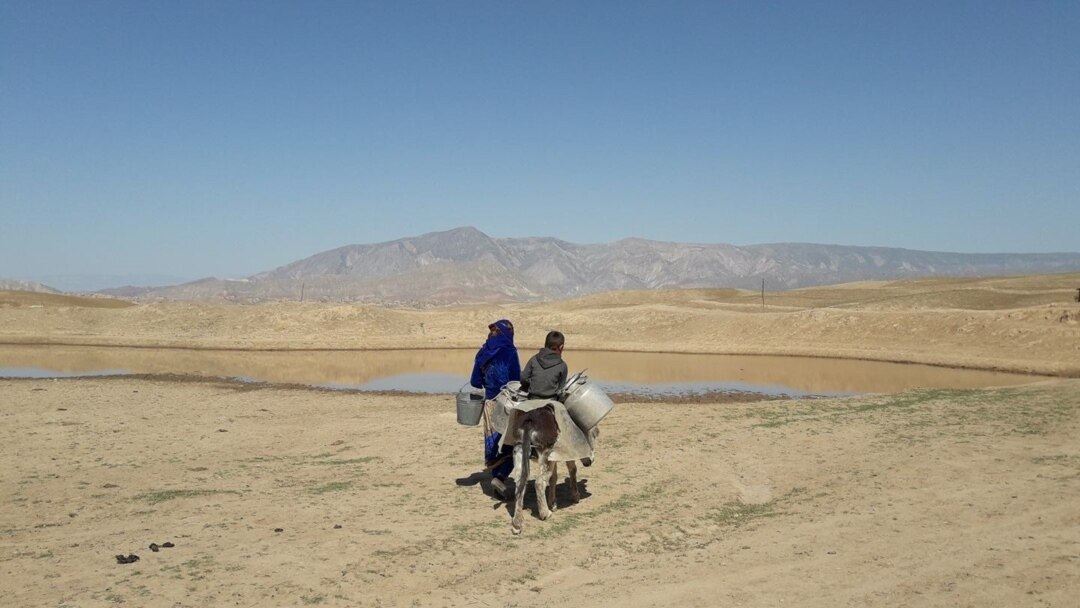
In rural areas, access to drinking water remains precarious. According to Tajikistan’s 2019 National Climate Adaptation Strategy, thousands of households face water shortages. Farmers in Khatlon and Sughd provinces have seen income drops of 15%–30% during dry years, with some forced to sell livestock just to afford tanker-delivered water.
Impact on energy and irrigation
More than 90% of Tajikistan’s electricity comes from hydropower. But droughts are reducing river flows, especially in summer when demand peaks. Reservoirs are struggling to refill after snow-poor winters, raising the risk of power shortages.
Meanwhile, over half of the country’s 14,000 kilometers of irrigation canals are in urgent need of repair.
The cost of inaction
Tajikistan’s ecological budget remains small, under 1% of GDP, limiting its capacity to respond to climate threats. Between 2000 and 2016, droughts inflicted over US$2 billion in damages across Central Asia, with crop losses in Tajikistan reaching up to 30%.
In 2023 alone, energy losses in Tajikistan totaled US$5.4 million. Regional temperatures have already risen by +1.04°C, and the country has lost more than 1,000 glaciers. Across Central Asia, 10 million people still lack access to safe drinking water.
The economic cost of natural disasters is soaring:
- Kazakhstan — US$4 billion/year
- Uzbekistan — US$2.8 billion
- Turkmenistan — US$2.7 billion
- Tajikistan — US$400 million
- Kyrgyzstan — US$270 million
UN estimates suggest up to 1.3% of Central Asia’s GDP could be lost annually to droughts by 2050. By then, the number of climate migrants could reach 5 million across the region.
Tajikistan’s drought response
Despite limited resources, Tajikistan is taking concrete steps to mitigate drought and land degradation.
Under the CACILM-2 initiative (Central Asian Countries Initiative for Land Management), the country received nearly US$1.5 million to promote sustainable land practices and combat desertification.
Current drought adaptation efforts include:
- Establishing fruit and grape nurseries
- Installing drip irrigation greenhouses in rural areas
- Constructing freshwater storage tanks in arid zones
- Deploying remote sensors to monitor water sources in real time
- Testing drought-resistant crops and agroforestry methods
Tajikistan is also a signatory to the UN Convention to Combat Desertification since 1997 and is gradually introducing resource-efficient technologies to adapt to a changing climate.
These efforts aim not only to conserve water and soil fertility but also to enhance long-term food security.