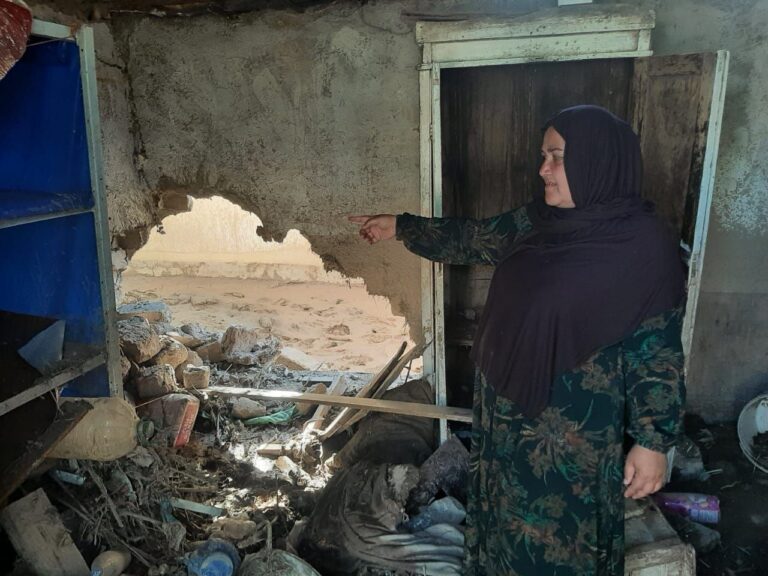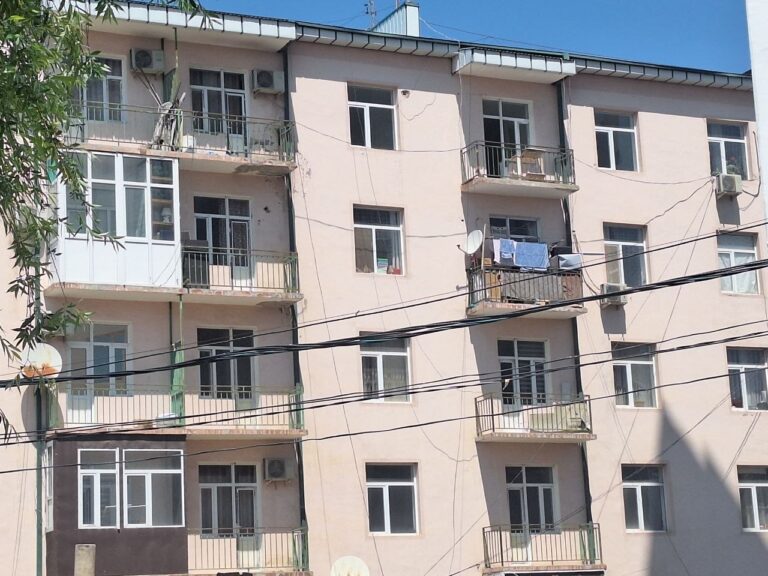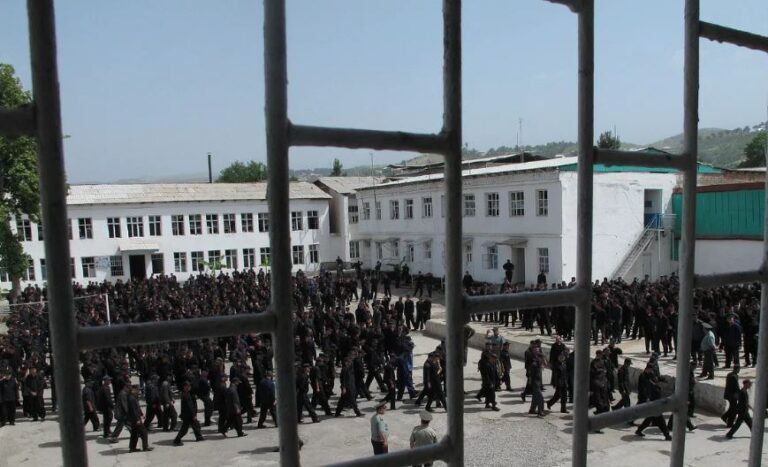
Cities across Central Asia, including Tajikistan, are set to experience a significant rise in temperatures, according to a new report from the World Bank. By 2050, the number of hot days could triple, and heat-related mortality rates are expected to rise significantly, particularly among vulnerable populations. The economic losses from extreme heat could reach up to 2.5% of GDP. Urgent infrastructure modernization and improvements to healthcare systems are needed to mitigate these impacts.
Tajikistan, along with its Central Asian neighbors, will face a sharp increase in the number of hot days, leading to significant public health consequences. It is projected that the number of days exceeding 30°C will increase by 40-70 days per year by 2050, leading to higher mortality rates.
Vulnerable groups, including the elderly, children, and individuals with chronic illnesses, will be particularly at risk. In Tajikistan, where summer temperatures already reach extreme levels, this trend poses a significant threat to the health of many citizens.
The World Bank experts predict that by 2100, extreme heatwaves will become the norm. In cities such as Dushanbe, an increase in the number of days with temperatures exceeding 35°C could become a serious problem. Heat-related mortality could double or even triple if adaptation measures are not implemented.
In some Central Asian cities, heat-related deaths could exceed 10,000 by 2050. In Dushanbe, the heat-related mortality rate currently stands at 18.5-20.5 deaths per 100,000 people, a rate similar to other Central Asian cities with historically mild climates, such as Tashkent and Bishkek.
Economic losses and impact on work hours
Rising temperatures will lead to a decrease in labor productivity and significant economic losses. In Tajikistan, where much of the economy relies on agriculture, the increase in hot days and higher temperatures could be catastrophic.
By 2025, Central Asia is expected to experience a noticeable increase in lost work hours due to heat stress. Tajikistan is forecasted to have the highest percentage of lost work hours in the region, at 12%, one of the highest rates in the area.
Uzbekistan is expected to lose 10% of work hours, Turkmenistan 9%, Kazakhstan 8%, and Kyrgyzstan 7%. These changes will significantly impact the economy, especially in sectors like agriculture and construction, where workers are exposed to extreme heat.
The need for adaptation
To mitigate the effects of global warming, Tajikistan and other Central Asian countries must take urgent action. Adapting to the heat involves modernizing infrastructure, improving healthcare systems, establishing effective early warning systems, and developing new models of urban architecture resilient to extreme heat.
The World Bank emphasizes that investments in cooling cities and modernizing infrastructure could prevent up to 80% of heat-related deaths and reduce productivity losses by half.
Key measures should include creating protected workplaces, improving conditions for vulnerable populations, and modernizing energy infrastructure, which will face additional strains during extreme heat.
Climate zone shifts
Long-term climate changes will lead to a narrowing of temperate zones, especially in the southern and central regions of Central Asia.
In Tajikistan and its neighboring countries, this will result in the expansion of desert and semi-desert areas, threatening agriculture and water resources. These changes will disrupt ecosystems and affect daily life and work.