
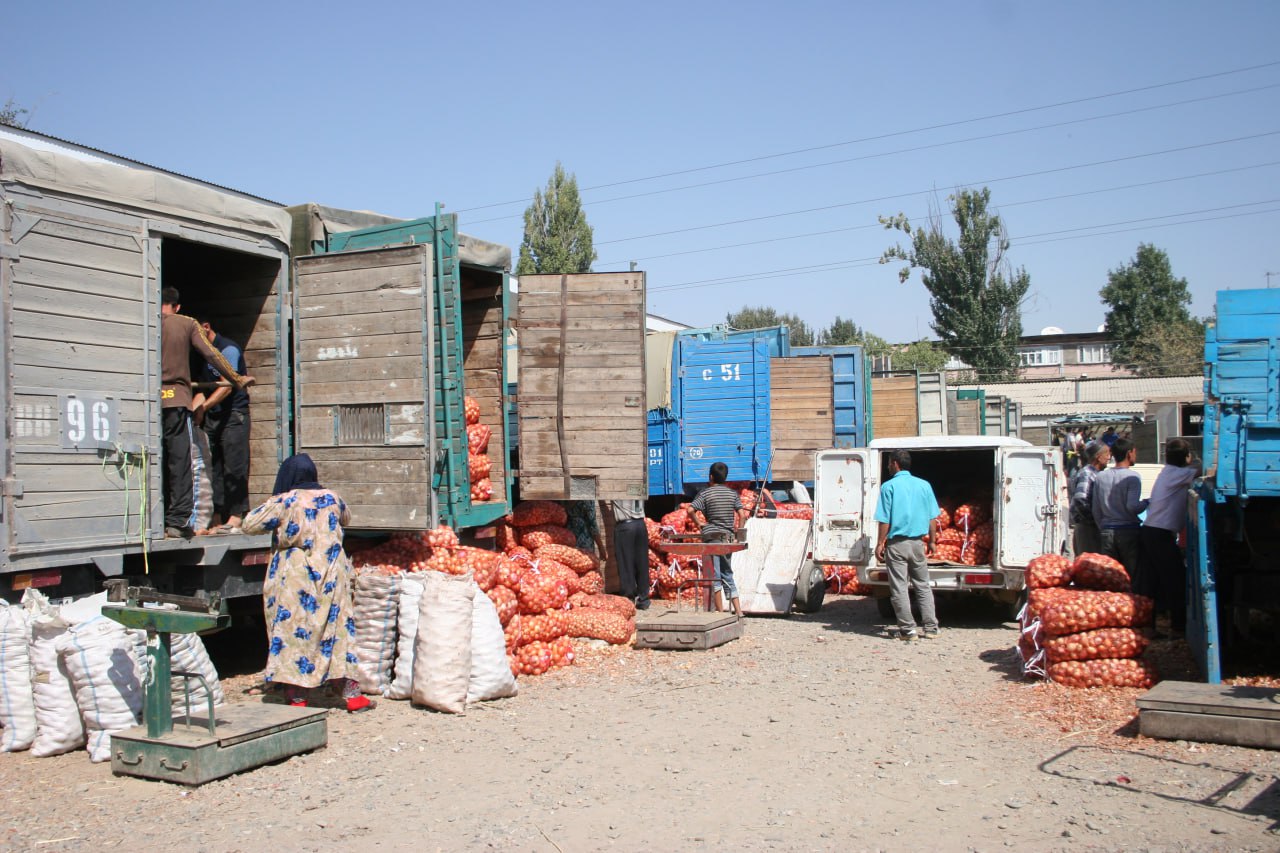
Tajikistan has reached near-total self-sufficiency in food production, supplying its population with almost all essential food items—except for fruits and eggs—according to national authorities and international research.
Despite its strong agricultural potential, Tajikistan continues to face food shortages in specific categories and remains heavily reliant on imports. A recent study published in the journal Nature Food confirms that Central Asian countries, including Tajikistan, are largely self-sufficient in vegetables, meat, dairy, legumes, nuts, and starchy foods.
However, the region's limited access to the sea restricts the availability of exotic fruits and seafood, posing challenges to achieving comprehensive food security.
Heavy dependence on imports
Historically, Tajikistan has struggled with shortages of certain food products. According to the Food and Agriculture Organization (FAO), the country—alongside neighbors Uzbekistan and Kyrgyzstan—is classified as a low-income, food-deficit nation. This means domestic production is insufficient to fully meet the population’s nutritional needs.
In contrast, regional agricultural powerhouses like Russia and Kazakhstan boast much higher food security rates, with domestic production covering 90% of food needs in Kazakhstan and slightly more in Russia.
The Ministry of Agriculture of Tajikistan continuously monitors the country's food sufficiency using production-based data.
What’s in abundance?
According to 2024 data based on recommended per capita nutritional standards, Tajikistan produced food surpluses in several key categories:
- Vegetables and melons: 261.35% of the recommended amount (434.1 kg per capita vs. the norm of 166.1 kg)
- Potatoes: 134.46% (123.7 kg vs. 92 kg)
- Bread and bakery products (grain equivalent): 121.19% (179 kg vs. 147.7 kg)
- Milk and dairy products: nearly 100% (115.2 kg vs. 115.3 kg)
Where are the gaps?
Nonetheless, deficits remain in other vital areas:
- Meat and meat products: almost at the required level (40.7 kg vs. 40.8 kg)
- Fruits: 87.75% of the recommended intake (108.9 kg vs. 124.1 kg)
- Eggs: 68.83% (123.9 eggs vs. the norm of 180)
Tajikistan’s reliance on imported goods—including certain fruits, meats, fish, sugar, and vegetable oils—continues to impact food price stability and accessibility for the population.