Police reform in Tajikistan, which began in 2013, continues to reshape the country’s law enforcement structures, with a key component being the establishment of Public Councils under the Ministry of Internal Affairs. These councils operate across all cities and districts, fostering closer ties between the police and the public.
Naim Malikislamov, head of the Public Council in Sughd Province, shared insights into the council's activities and its role in the reform process. According to Malikislamov, since 2015, Public Councils have acted as intermediaries between the police and the population. “Our goal is to build trust and shared responsibility for public safety. We involve people in dialogue and assist in the reform process,” he said.
The council has been actively engaging with local communities, holding meetings in neighborhoods, schools, and public spaces to explain the role of the police and the ongoing law enforcement reforms. One notable initiative has been public hearings with district police officers, allowing residents to voice concerns and discuss solutions. Malikislamov noted that these efforts have led to a 67%-70% approval rate for the police in Sughd, based on a recent survey.
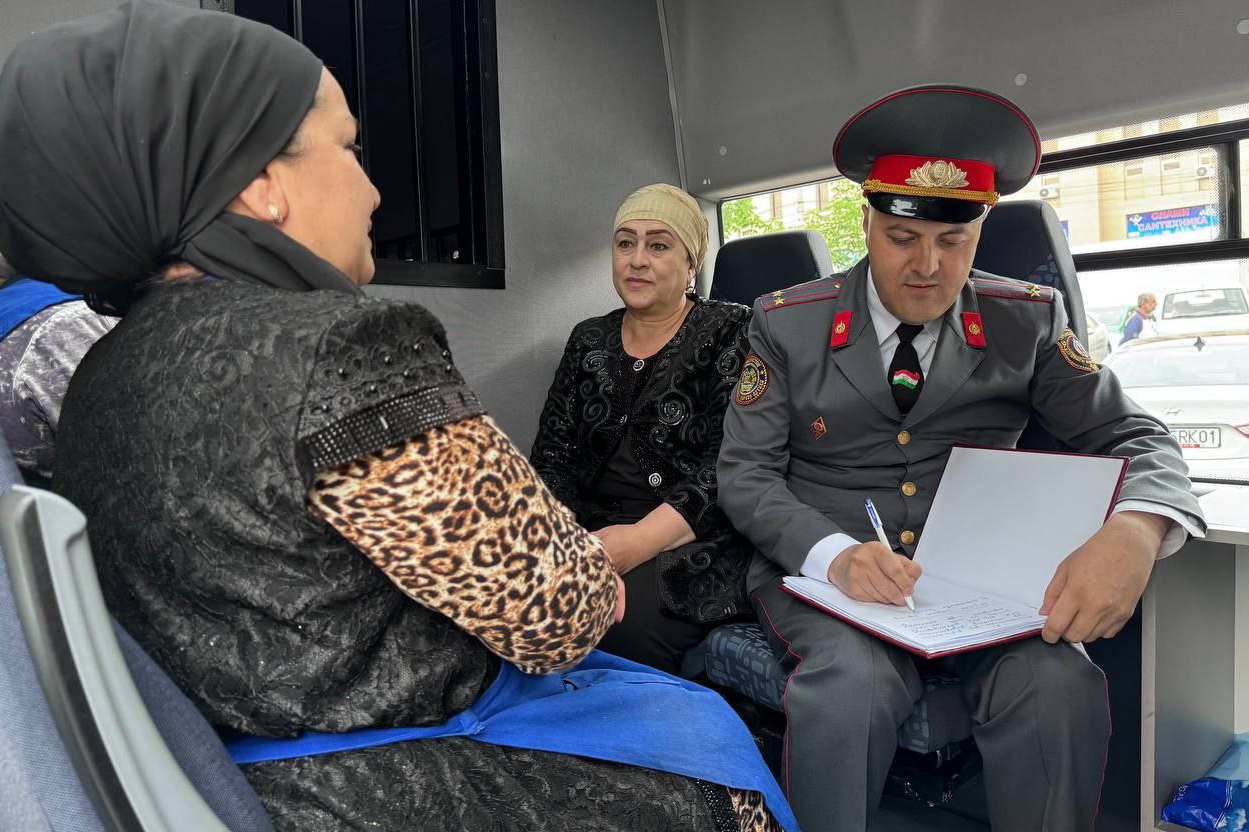
A significant achievement of the Public Council has been introducing mobile reception units, which reach remote areas where residents might feel uncomfortable visiting police stations. "Many issues are resolved on-site with the help of police officers and Public Council representatives,” Malikislamov said. This initiative has sparked interest from surrounding regions, leading the council to propose increasing the number of mobile units.
Additionally, district police officers, once unfamiliar with public reporting, are now engaging more openly with the community, sharing important information and building trust. Since last year, the Public Council has also strengthened its material base, with offices now set up across all districts and improved access to technology.
Malikislamov emphasized that, compared to other government bodies, the police remain the closest to the people. “In every settlement, people turn to the police first with any questions. The police are always nearby, providing care and support,” he said, highlighting the 24/7 availability of police hotlines and public reception hours held by MIA leadership every Saturday.
The council has also borrowed successful practices from neighboring countries, including Uzbekistan’s public preventive centers and Kyrgyzstan’s practice of resolving domestic disputes through respected community elders.
Malikislamov sees the creation of such centers in Sughd as a key development for the future, with plans to expand the initiative to Khujand.
Looking ahead, Malikislamov stressed the importance of continuing public outreach and training while exploring sustainable funding mechanisms for the councils. “We can seek support from investors, donors, and through project proposals,” he said, adding that transportation challenges for council members traveling to remote areas need to be addressed to ensure continued success.
Malikislamov concluded by stressing the need for increased awareness of the police law and proposed discussions with the Interior Ministry to enhance collaboration between councils and regional authorities.