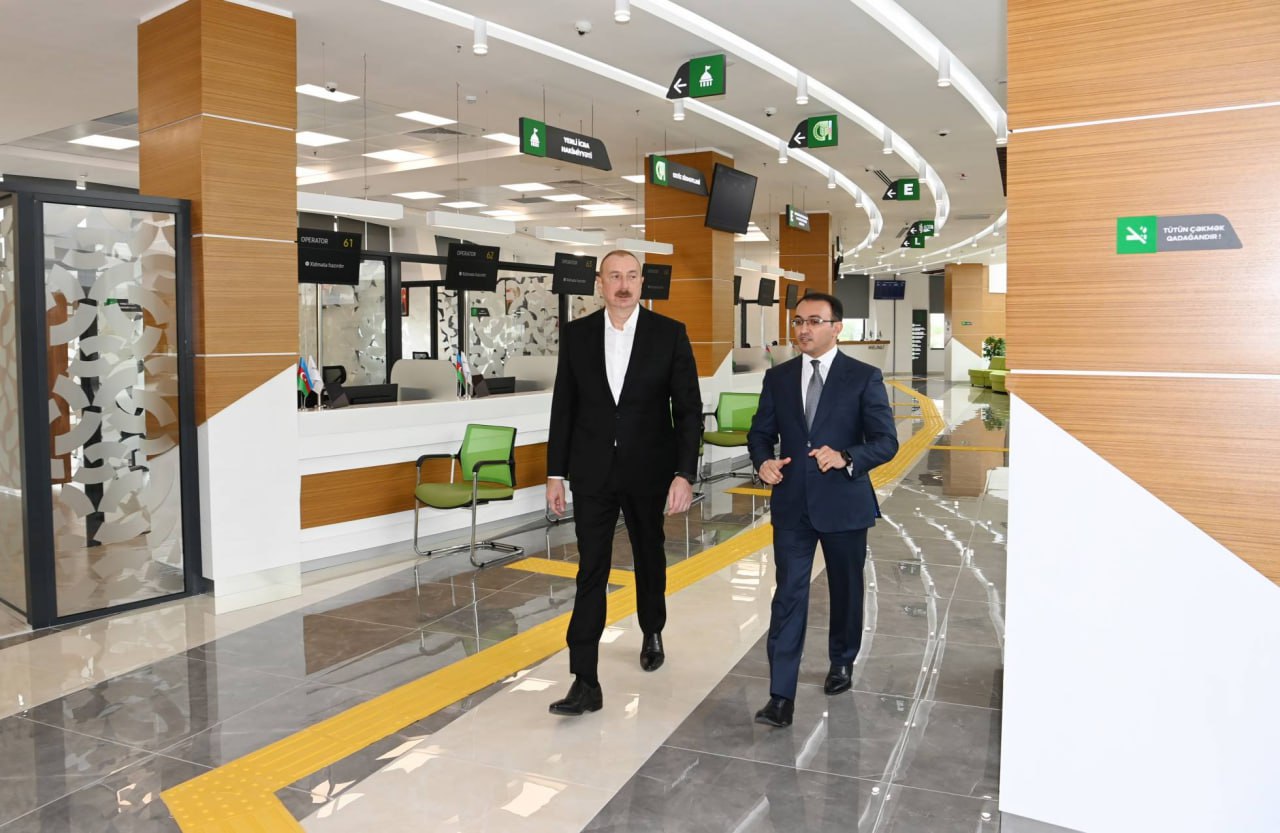
The State Agency for Public Service and Social Innovations under the President of the Republic of Azerbaijan has taken a different approach, while many developed countries are moving to fully digital government services.
Launched in 2012 by the Agency, “ASAN service”, which translates to “easy” in Azerbaijani, centralizes government services for efficient and transparent access to citizens in Azerbaijan. Currently, 28 centers are operating. Seven of them are in Baku and twenty-one are in the regions of Azerbaijan.
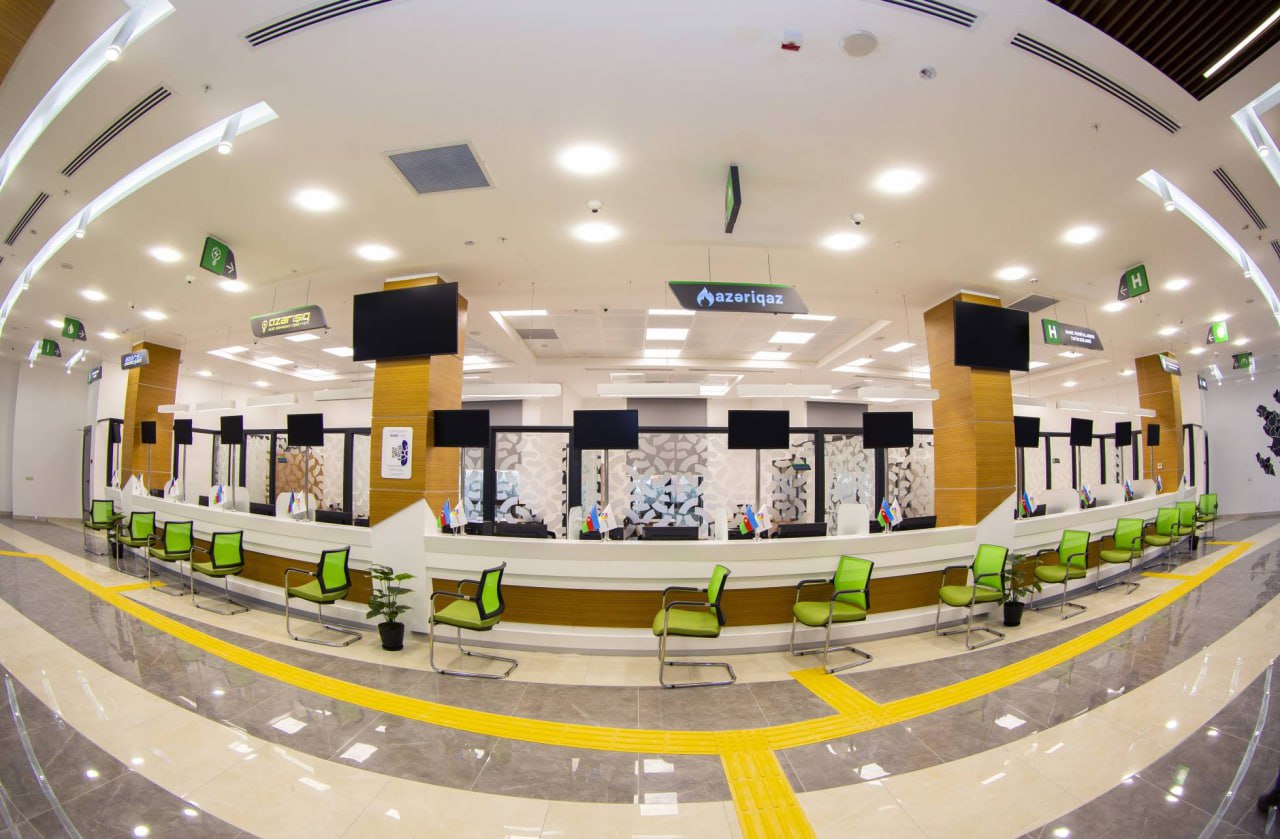
The service centers are not just designed for public service delivery, but also as ubiquitous hubs promoting innovation and social engagements. By combining cutting-edge technology with a customer-focused methodology, the model drastically cuts down on the time and effort needed by citizens to access public services. Achieving this goal involves streamlining the service process and mitigating bureaucratic obstacles by centralizing various government services. For a country with a strong culture that values human connection, the service is bridging the gap between innovation and community engagement.

The ASAN Service model has also proven effective in corruption prevention. Azerbaijan is presenting its experience to the world as a successful model in the field of public services, the fight against corruption, and the transparent and unbureaucratic realization of civil rights.
The functioning of the ASAN Service centers is based on the principles of operativeness, transparency, ethical behavior, responsibility and comfort. At the same time, ASAN Service has had a transformative impact on Azerbaijan’s public administration, yielding several positive outcomes: Efficiency Gains, Corruption Reduction, Economic Benefits and International Recognition.
ASAN service has already started full operation in four of the 25 countries that have benefited from Azerbaijan's experience.
Today, ASAN service is not only a platform for delivering services to citizens, but also a model that meets many of the UN's 2030 Sustainable Development Goals (SDGs). The UN Human Rights Council has also emphasized in its resolution the role of models like ASAN in realizing human rights. ASAN service is both a method of providing public services and a system that serves the SDGs and respects human rights. This system has already been exported to more than 25 countries and is recommended by the UN to all countries.
Among these countries, there are both developed and developing ones. After getting acquainted with the ASAN Service model, each of these countries states how useful it is. Each country has its own legislation and traditions, but ASAN is applied in accordance with the legal framework of those countries.

This is a reform that, if implemented today, will yield results tomorrow, and citizens will feel it in their daily lives. For this reason, the governments of the countries that have implemented the ASAN model express their gratitude to the Azerbaijani state and the head of state.