
The depth of snow cover in the north-west of the Pamirs decreased by 40 centimeters, and precipitation fell by 328 millimeters less than normal. This endangers the replenishment of glaciers and leads to their gradual loss of mass.
Glaciers at the point of no return
A new study by the Institute of Science and Technology Austria (ISTA) has shown that even the most stable glaciers of Pamir, which have long been considered protected from global warming, are rapidly losing their stability.
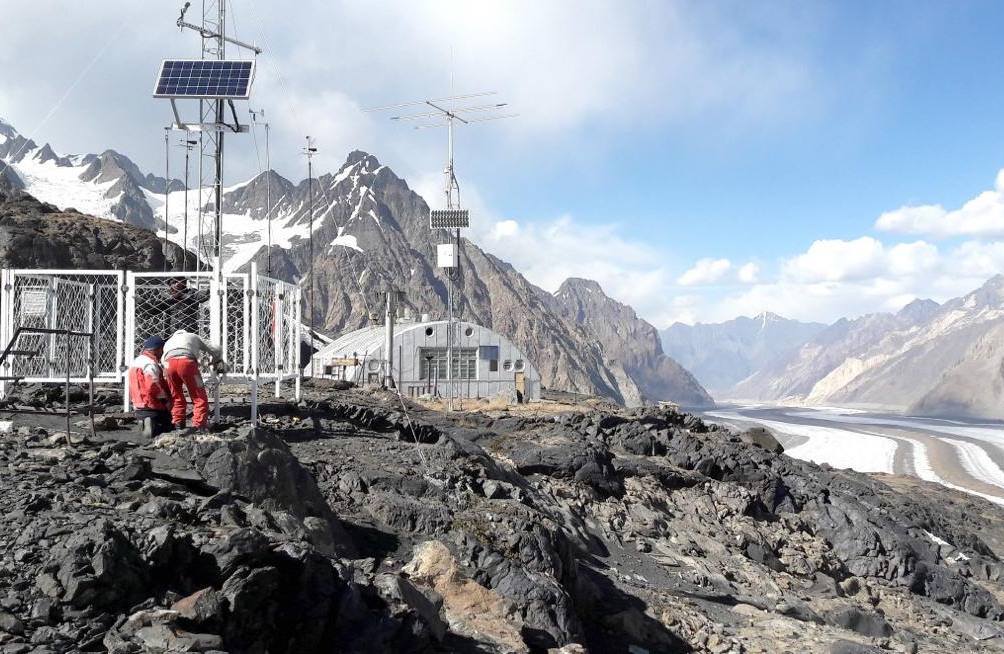
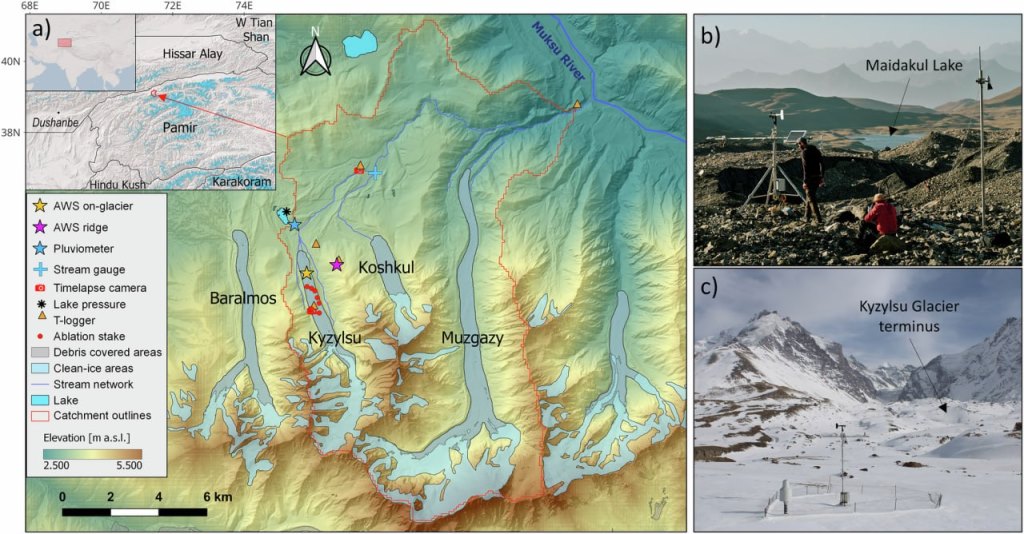
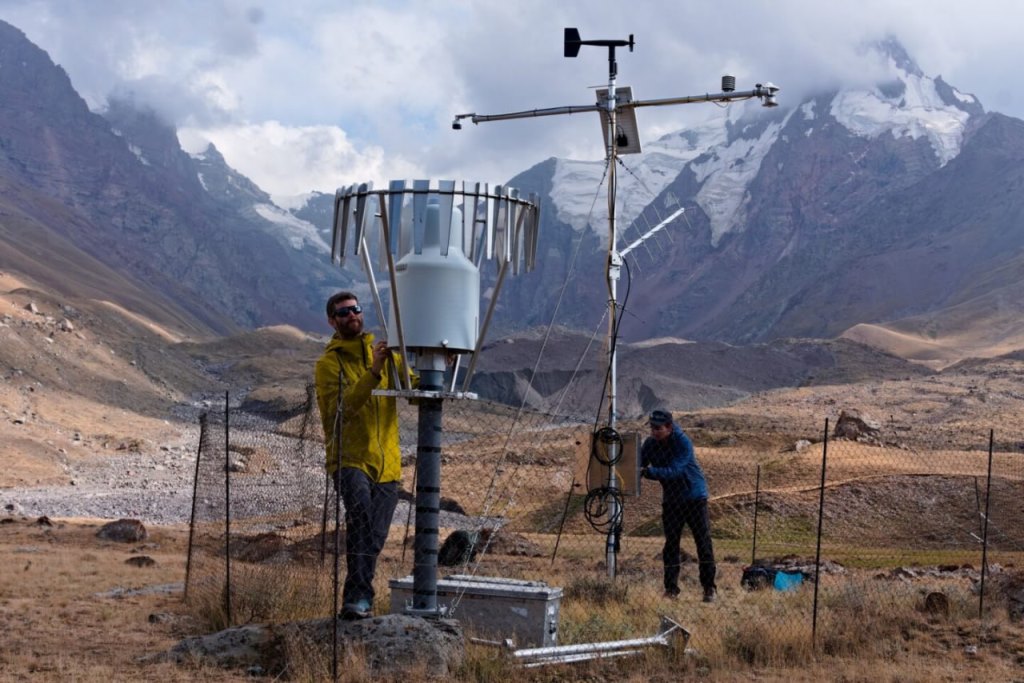
An international team of scientists led by Francesca Pellicciotti's group installed a climate station on the Kyzylsu glacier in the northwestern Pamir and was able to simulate the behavior of an entire watershed from 1999 to 2023.
The results indicate that a critical milestone was reached in 2018, when a decrease in snow cover and a lack of precipitation began to irreversibly change the glacier's mass balance.
Overcoming the "point of no return" means going into accelerated melting mode: the ice begins to compensate for the lack of water from the snow, but it does so at the expense of its own destruction.
This process is already undermining the so-called Pamir-Karakoram anomaly, a phenomenon of relative stability of the region's glaciers that has long surprised scientists.
Now it becomes obvious that even these "last fortresses" of the world's water towers are not immune from the climate crisis.
Scientists note that melting glaciers poses serious risks not only for the global climate, but also for the entire Central Asia, where rivers, including Amu Darya, are almost completely fed by glacial waters. The loss of these resources threatens the water security of millions of people, and it is no longer possible to restore the balance without large-scale climate measures.
Northwest Pamir: lack of snow and lack of precipitation
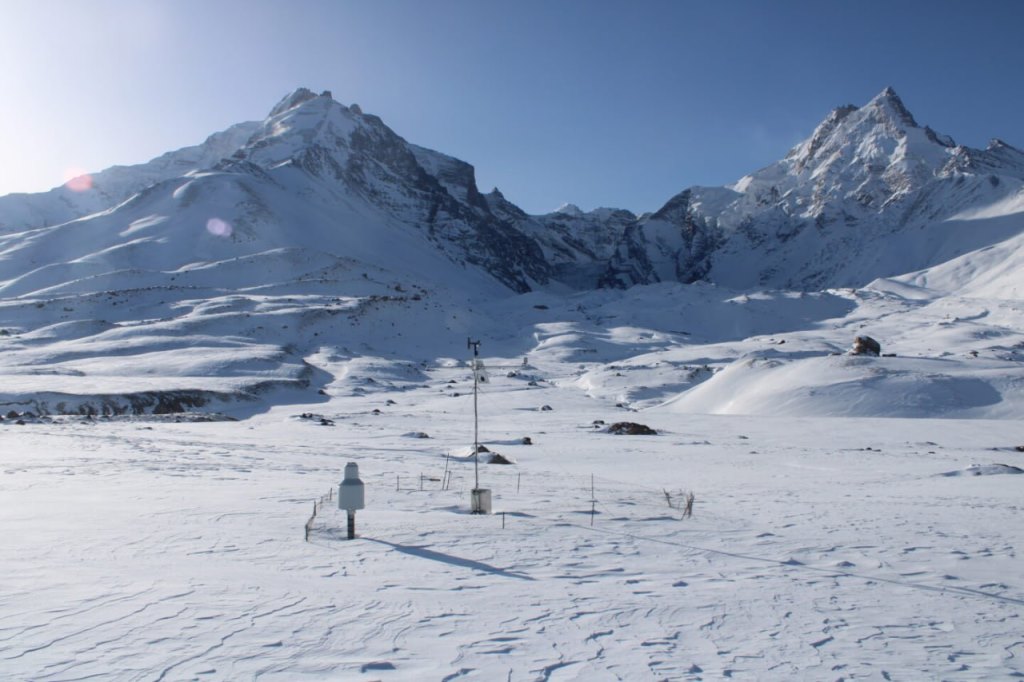
Another study notes that since 2018, the northwestern Pamir has entered a period of sustained snow scarcity: the average depth of snow cover has decreased by about 40 cm, and annual precipitation has dropped by 328 mm – about 28% of normal.
Seasonal snow falls about two weeks earlier, its stability decreases in spring, and the replenishment of glaciers with snow mass weakens. The result is an accelerated negative mass balance and the loss of "cold reserves" that supported the anomalous stability of the Pamir glaciers in recent years.
A study of the glacier near the Kyzylsu River from 1999 to 2023 showed that the situation deteriorated sharply after 2018. Previously, the glacier was losing mass slowly, but now it is losing it eight times faster. The main reasons are less snow and increasingly hot summers. The lack of snowfall has become one of the key factors, and summer temperatures have increased melting.
Especially significant was July 2022, the hottest month on record, when the glacier showed a record-breaking minus in mass. This confirms that the Pamir glaciers are very vulnerable to warming.
Even the fact that the glaciers began to melt more strongly did not save the situation: there was less water in the rivers anyway. Compared to 1999-2018, the total runoff decreased by about 189 mm in water equivalent. The share of glacial water in rivers increased from 19% to 31%, but this did not compensate for the lack of precipitation.
The main "disadvantage" was the snow: in spring and summer it melts less (-132 mm per year), and the additional melting of ice produced only +86 mm. The situation is especially difficult above 4000 m, where earlier there was more solid precipitation. In addition, there is less avalanche snow, which used to feed glaciers (from ~0.21 to ~0.08 m per year), and the upper accumulation zones are losing a key source of replenishment.
Central Asia's Water Towers under threat
Satellite data (MODIS, Landsat, Sentinel-2) and climate calculations show that the decrease in snow and precipitation in Pamir since the late 2010s is not a local feature of the Kyzylsu Glacier, but a general trend for the entire northwestern region.
"Due to the lack of accurate forecasts, we cannot yet confirm whether the glaciers of Pamir have passed the "point of no return." However, it has been since 2018 that the processes have changed dramatically, and the reduction in precipitation has had a critical impact on their stability," – emphasizes ISTA researcher Achille Jouberton.
The problem goes far beyond the mountain ranges: the glaciers of Pamir and Karakoram feed the Amu Darya, Syr Darya and other rivers on which agriculture, hydropower and the lives of tens of millions of people depend. The loss of glacial mass leads to a reduction in fresh water, limits irrigation resources, threatens to reduce electricity generation at hydroelectric power plants and accelerates ecosystem degradation. Thus, we are talking not only about natural changes, but also about water security and socio-economic stability of the entire region.
Global alarm
For two decades after the collapse of the Soviet Union, there was almost no systematic monitoring of glaciers in Pamir. It was only in 2021 that an international group of scientists installed stations on the Kyzylsu glacier, one of the Vakhsh sources.
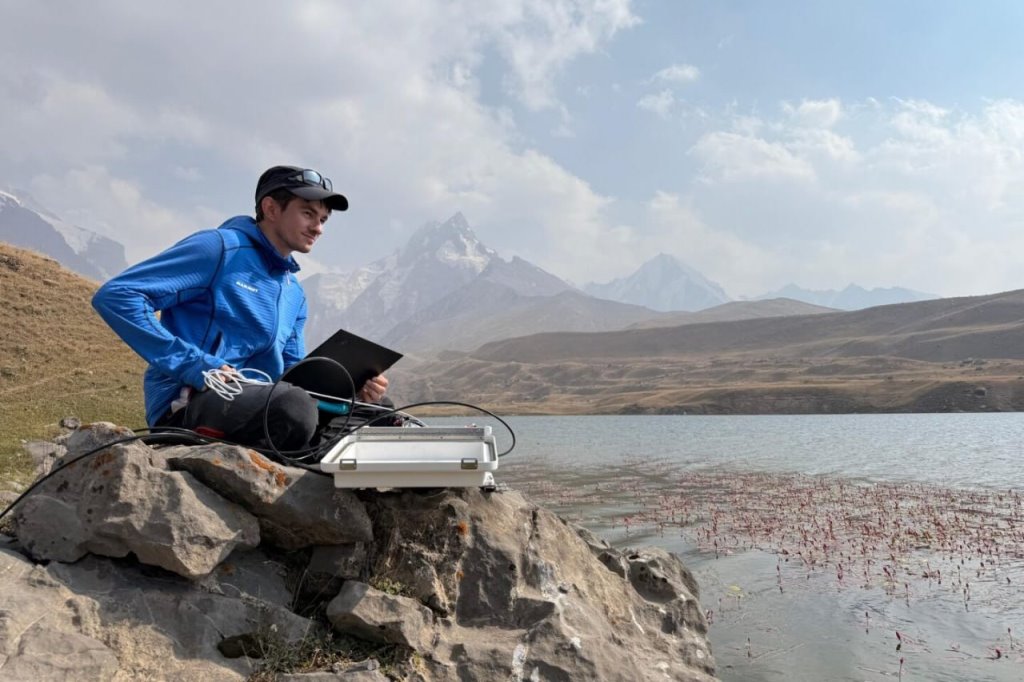
New measurements have confirmed that it was in 2018 that there was a sharp drop in precipitation and snow cover thickness. Since then, the indicators have remained consistently low, which has already led to a significant loss of glacier mass and increases the risk of water scarcity in the region.
The results of a study published in the journal Communications Earth & Environment show that even the most stable glaciers in Central Asia are beginning to lose mass and cannot withstand climate change.
Scientists warn that this is a global alarm signal: the disappearance of glaciers means not only a shortage of water, but also a threat to climate stability. Experts stress the need for urgent international action, as the problem extends far beyond Central Asia.
