Over a week has passed since the return of the United Nations Security Council (UNSC) sanctions on Iran. These sanctions, which were suspended in 2015 after Iran's negotiations with the world's five major powers, have now been reinstated following the efforts of the United States and several European countries. China and Russia's proposal to delay the reinstatement did not gain enough support in the UNSC.
What exactly are these sanctions, and how will they impact Iran’s economy, decision-making, and relations with Central Asian countries, including Tajikistan, which has seen growing trade ties with Iran in recent years?
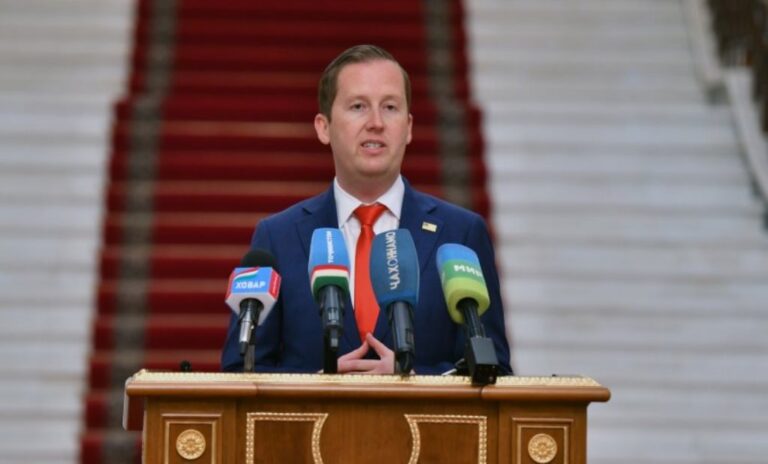
Qosim Bekmuhammad, a Tajik analyst, attempts to answer these questions.

What are these sanctions?
Ten days have passed since the sanctions were reinstated, but it’s still too early to comment on the full impact of this move on Iran, as the consequences of many sanctions become apparent only after months or years. This time, the sanctions are being reinstated at a moment when Iran has had direct military clashes with Israel and the United States in the past few months, and further such conflicts remain a possibility.
After a decade, UNSC resolutions 1696 (prohibiting uranium enrichment), 1737 (banning sensitive nuclear activities and technology transfers), 1747 (increasing sanctions, financial restrictions, and arms embargo), 1803 (banking restrictions, cargo inspections, and travel bans on officials), 1835 (affirming Iran's commitments and renewing previous demands), and 1929 (comprehensive arms embargo, banking and shipping restrictions) have been reactivated.
As observed, these resolutions mainly target individuals and companies linked to Iran's nuclear and missile programs, while commercial relations outside of these frameworks are not directly affected by the sanctions. For example, the export of oil, a key factor in Iran's economic development, has not been directly sanctioned, though banking and shipping restrictions could lead to difficulties. However, last year, Iran exported $67 billion worth of oil, the highest figure in the past decade. China, which opposes the UNSC sanctions, remains Iran's largest oil buyer and will continue its cooperation with Tehran. Additionally, other countries are also keen to maintain their oil trade relations with Iran.
Impact of sanctions and Iran's response
The return of UNSC sanctions may limit Iran's access to global markets, international banking systems, foreign investments, and exports of oil, as well as imports of certain goods, which could lead to a depreciation of the Iranian rial. This would likely have an effect on Iran’s economic and social conditions, prompting the government to provide subsidies and support packages to vulnerable groups to reduce the social impact.
It’s important to note that Iran has lived under international sanctions for over five decades, accumulating valuable experience in coping with them. Both at the state and private sector levels, Iran has devised strategies to minimize the impact of sanctions, including fostering ties with countries that deem these sanctions unfair.
What distinguishes the current situation from a decade ago is the fact that Russia and China, as strategic partners of Iran, voted against the UNSC's decision to reinstate sanctions, which could indicate a lack of adherence to the sanctions. Some other countries have also sent messages to Tehran signaling their readiness to continue economic and commercial cooperation.
Historically, Iran has focused on the growth of small and medium-sized businesses and the increase of domestic production to counter sanctions. The country's young, educated workforce, particularly in the fields of innovation and technology, contributes to the success of these efforts. Additionally, Iran has vast natural resources, the proper utilization of which could significantly alter its economic prospects. With a population of over 80 million, Iran also has a large domestic market for local producers.
In fact, despite sanctions, Iran's non-oil exports reached $32.5 billion in 2012 during the peak of international sanctions, and by 2018, this number had grown to $44 billion, despite severe U.S. economic sanctions. By 2024, non-oil exports had increased to $57.8 billion, with total non-oil foreign trade reaching $130.2 billion.
This means that even if Iran’s oil exports are restricted (which is unlikely given its continued energy cooperation with China — in 2024, Iran exported $67 billion in oil to China), measures to replace oil exports with non-oil goods have been successful, and the expectations of the U.S. and the West that Iran's economy will collapse seem unlikely to materialize.
In 2024, trade between Iran and the European Union stood at €4.5 billion, lower than the $4.8 billion trade between Russia and the EU, and not comparable to Iran's trade with China, which amounted to around $36 billion for non-oil exports. Therefore, even if trade between Iran and Europe were to halt, the impact on Iran's economy would be minimal.
Key players and Central Asian countries
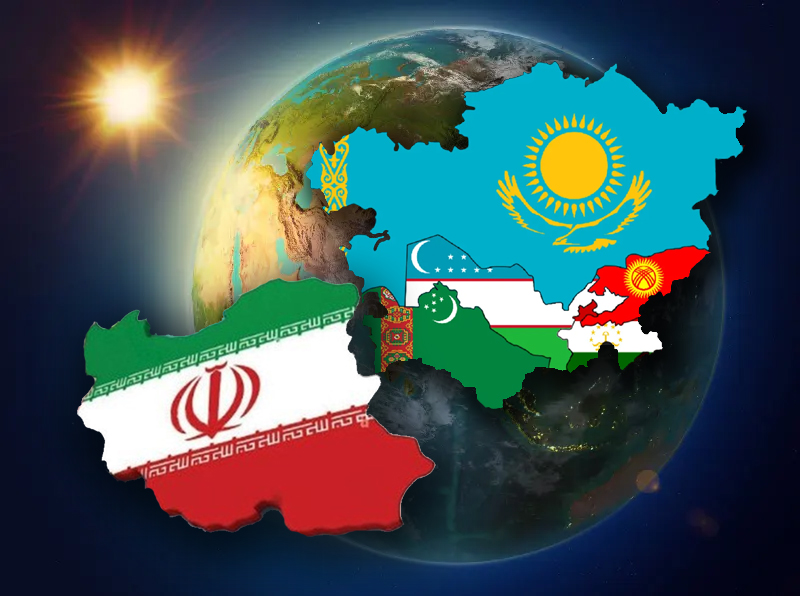
For Central Asian countries, the role of strategic partners Russia and China, both of which opposed the UNSC's decision to reinstate sanctions, is crucial in maintaining relations with Iran. Consequently, these countries might continue trade and transit cooperation with Iran, maintaining a “neutral” stance, especially if Tehran offers concessions.
The cooperation between Central Asian countries, particularly Tajikistan, and Iran primarily focuses on sectors that are not directly impacted by UNSC, U.S., or EU sanctions. This reduces the direct impact of sanctions on bilateral relations. Furthermore, both Tajikistan and other Central Asian countries can use their national currencies or conduct trade through goods exchanges (similar to Russia and China) within the framework of the Shanghai Cooperation Organization, potentially mitigating the impact of sanctions.
Thus, the trade between Tajikistan and Iran, which reached $378 million in 2024, is unlikely to suffer significantly from the return of UNSC sanctions. However, issues related to banking guarantees, money transfers, insurance, and similar challenges may arise. With the prior experience of Central Asian countries working with Iran before 2015, finding solutions to these potential issues is feasible.
Chabahar Port
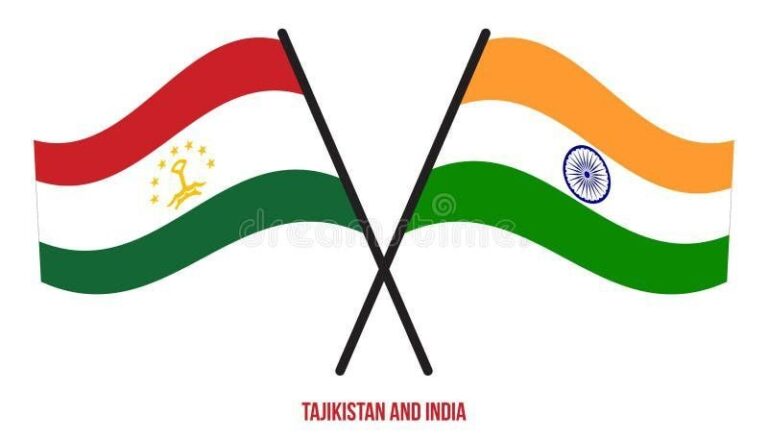
The U.S. has recently imposed sanctions on Iran’s Chabahar Port, which India heavily invested in and is a critical element of its regional strategy, especially regarding Afghanistan and Central Asia. This strategic port is essential for landlocked Central Asian countries to access international waters, offering shorter and cheaper routes for exports and imports. Tajikistan, for example, signed an agreement with Iran two years ago for international cargo and transit through Chabahar. However, this port is not yet fully operational and does not currently play a major role in trade and cargo transit.
Currently, countries in the region rely more on Bandar Abbas, a key transportation hub with fully developed infrastructure. Therefore, the sanctions on Chabahar will likely have little impact on the export and import activities of Central Asian countries via Iran.
Why were the sanctions reinstated?
The main reason for the return of sanctions is Iran's nuclear program. The U.S. and several European countries seek to halt the expansion of Iran's nuclear program in any form, while Iran insists on continuing its peaceful nuclear activities.
One of the key questions surrounding Iran’s nuclear program is why, despite signing the Non-Proliferation Treaty (NPT) and cooperating with the International Atomic Energy Agency (IAEA), Iran faces suspicion, while other countries, like Israel, which possesses nuclear weapons and refuses to sign the NPT, face no similar scrutiny from the West.
Israel’s resistance to IAEA inspections is rooted in the fact that it is not a signatory to the NPT. This discrepancy in the Western approach to Israel and Iran is one of the most controversial issues in international politics, highlighting the double standard in global nuclear non-proliferation efforts. While Israel’s nuclear weapons are viewed as a “deterrent” against external threats, Iran’s potential nuclear capabilities are considered a “threat to international security.”
Will Iran's withdrawal from the NPT reduce the pressure on the country? Unlikely, but North Korea did just that in 2003, faced crippling sanctions, and conducted its first nuclear test in 2006. North Korea now uses nuclear weapons as a deterrent, despite facing economic isolation.
If Iran chooses North Korea’s path, its situation will be much more different due to its location in the heart of the Middle East. Iran’s potential nuclear capabilities could significantly alter the geopolitical balance of this sensitive region, a concern not just for the U.S. and Europe but for other world powers as well.
Who will win in this “game”?
There is no clear winner in this situation. While Iran becomes more self-sufficient and resilient under sanctions, it also suffers from limited communication and cooperation with the outside world. The U.S. and Europe, in their efforts to counter Iran, will also incur geopolitical, security, and economic costs. In the end, both sides are likely to lose from the continuation of this standoff.