Authorities in Tajikistan have ordered stricter control over electricity consumption as water levels at the reservoir powering the Nurek hydropower plant (HPP) — the country’s largest hydropower facility — have dropped by more than two meters compared to the same period last year.
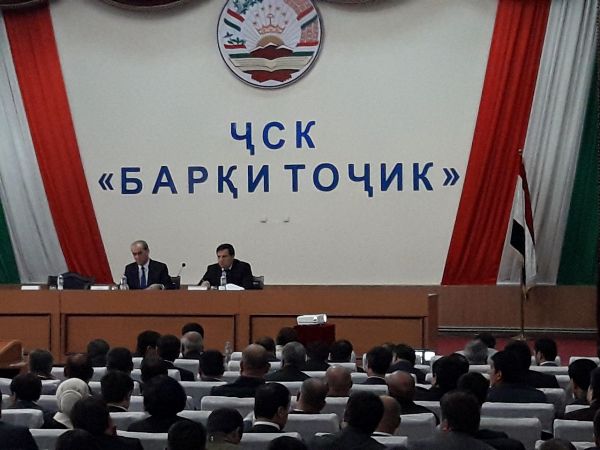
The issue was discussed during a meeting of a government task force chaired by Deputy Prime Minister Usmonali Usmonzoda, where officials emphasized the urgent need for efficient and economical energy use.
According to the Ministry of Energy and Water Resources (MoEWR), efforts are now focused on reducing energy losses and combating illegal electricity usage, particularly in the districts under republican subordination.
The highest losses were reported in the grids of Hisor, Vahdat, Nurek, Fayzobod, Shahrinav, and Roudaki — all exceeding established thresholds.
Officials also revealed instances where unauthorized power lines were extended from facilities with round-the-clock energy supply to nearby villages, in violation of existing regulations.
The task force stressed that electricity distribution schedules must be strictly followed, not only for strategic sites but also for healthcare and educational institutions.
Deputy Prosecutor- General Sarvar Azimzoda and Sorbon Kholmuhammadzoda, Director of the State Energy Supervision Agency, reported on progress in addressing previously identified violations.
Enhanced oversight by prosecutors has reportedly already resulted in a significant increase in energy payments — totaling 1.342 billion somonis (approximately $145 million) more than during the same period last year.
Manoj Salvi, General Director of the Electricity Distribution Networks company, presented a 10-month report covering the state of substations, energy losses, debts, and cases of consumption overages.
The task force issued the following directives:
· Create an interagency team to strengthen electricity usage oversight;
· Identify violations, negligence, and illegal connections in districts surrounding Dushanbe;
· Take disciplinary action against managers, deputies, inspectors, and supervisors failing to fulfill their duties.
Officials concluded the meeting by stressing the need for strict discipline and full accountability across the energy sector, especially amid shrinking water resources that directly impact the country’s hydropower generation.