Liquefied petroleum gas prices spike in Dushanbe amid Kazakh export restrictions

Liquefied petroleum gas (LPG) prices in Dushanbe have surged in recent days due to a sharp decline in imports from Kazakhstan. While a liter of LPG was selling for 4.2 somonis late last week, current prices have jumped to between 5.8 somonis and 6.5 somonis — an increase of 38% to nearly 55% in just […]

Asia-Plus

Liquefied petroleum gas (LPG) prices in Dushanbe have surged in recent days due to a sharp decline in imports from Kazakhstan. While a liter of LPG was selling for 4.2 somonis late last week, current prices have jumped to between 5.8 somonis and 6.5 somonis — an increase of 38% to nearly 55% in just a few days, with similar price rises in other parts of the country.

Some fuel stations in the capital have run out of LPG altogether.

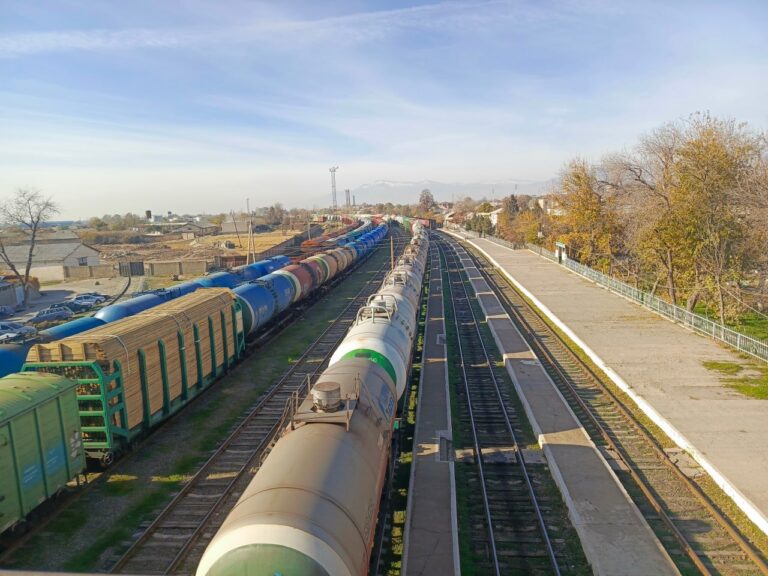
According to Tajikistan’s Ministry of Energy and Water Resources (MoEWR), the primary reason for the shortage is Kazakhstan’s decision to impose a six-month ban on LPG exports by road and rail, which took effect on November 14 under an order from Kazakhstan’s Ministry of Energy.

Additional constraints stem from ongoing repair work on Kazakhstan’s railway infrastructure, which has limited LPG rail shipments to a maximum of 30 wagons per day.

An official source within the Antimonopoly Agency under the Government of Tajikistan told Asia-Plus that such price hikes typically occur when there is a supply shortage. The agency is currently investigating the situation and plans to issue official comments after its review.


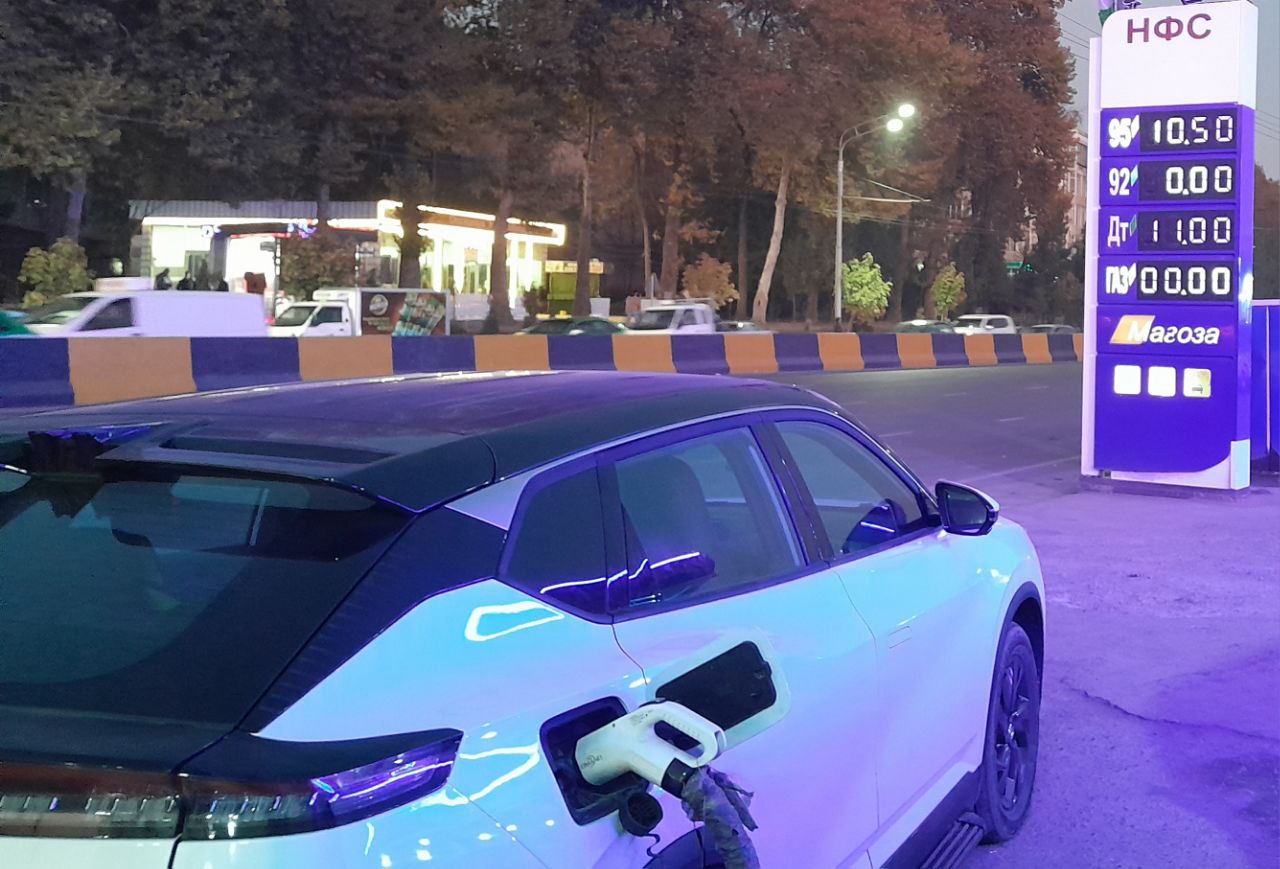
Gas to electric: a changing fuel landscape?

For over a decade, LPG has remained the dominant type of vehicle fuel in Tajikistan due to its affordability. In the early 2010s, as petrol and diesel prices rose, many drivers switched to gas. By the mid-2010s, more than 60% of vehicles in the country were running on LPG, according to official data.

However, in recent years — particularly in Dushanbe — there has been a noticeable shift toward electric vehicles. According to the Ministry of Transport, about 18,000 electric vehicles were imported in 2024, and nearly 13,000 more arrived in just the first five months of 2025. As of June 1, 2025, the total number of registered EVs in Tajikistan surpassed 34,000.

Meanwhile, Tajikistan imported 176,900 tons of LPG in the first half of 2025, down by 18,500 tons compared to the same period in 2024, according to the Antimonopoly Service. Of this volume, 53% came from Russia and 47% from Kazakhstan.

Over the same six-month period, a total of 15 companies were involved in importing liquefied petroleum gas into the country. The largest shares of LPG imports were handled by:

·         Temur Oil LLC — 27.8%);

·         Allat  — 15.1%;

·         Gazpromneft-Tajikistan — 9.6%;

·         Iris LLC — 7.8%;

·         Bahor LLC — 7.2%.
Join us on social media!

Article translations:

Related Article

Оби зулол
Оби зулол

Most Read

Recent Articles

The only GPW veteran in Dushanbe allocated more than 80,000 somoni

The mayor's office of Dushanbe allocated him 25,000 somoni.

GITEX AI Kazakhstan 2026: how Almaty became the main AI hub of Central Asia

More than 300 companies and startups, over 200 speakers and 100 investors from 50 countries — the region is entering the global stage.

A trade and economic park to be built at the border junction of Tajikistan, Kyrgyzstan, and Uzbekistan

President of the Kyrgyz Republic Sadyr Japarov familiarized himself with the project.

A project to protect soil from degradation to be developed in Central Asia

The initiative is of great significance for the mountainous countries of the region, including Tajikistan.

Mudslide, death, and destroyed homes: hundreds of families in Tajikistan left homeless

A correspondent from "Asia-Plus" visited Kulob and spoke with the families of those who died and were affected by the disaster.

Spring 2026 bright event: new issue of VIPzone now on sale

This issue is about people and ideas that change everything: from business and investments to fashion, food, and urban environment.

Godfrey Sullivan: “Tajikistan is a promising market for Visa to develop digital payments”

The Vice President of Visa explained why Tajikistan is becoming a promising market for digital payments and how artificial intelligence is influencing the future of finance.

Seven students in Dushanbe were threatened with expulsion for arriving at universities in personal cars

The materials for each case have been sent to the Ministry of Education and Science for appropriate actions.

India’s blockchain push and lessons for the global south

The Indian Government has started pushing aggressively its agenda...

India’s blockchain push and lessons for the global south

The Indian Government has started pushing aggressively its agenda...