The government of Tajikistan has unveiled a new program aimed at boosting the country's export sector for the years 2026–2030. The plan focuses on simplifying export regulations, supporting businesses, and shifting the country’s focus from selling raw materials to exporting finished products. The five-year program is expected to drive export growth, create jobs, and attract investment.
Achievements of the 2021–2025 program
As part of the 2021–2025 program, Tajikistan introduced the "Single Window" system, transitioning several services to an electronic format. This initiative has already led to an increase in exports, from $1.4 billion in 2020 to an expected $1.9 billion by 2024.
Goals for 2026–2030
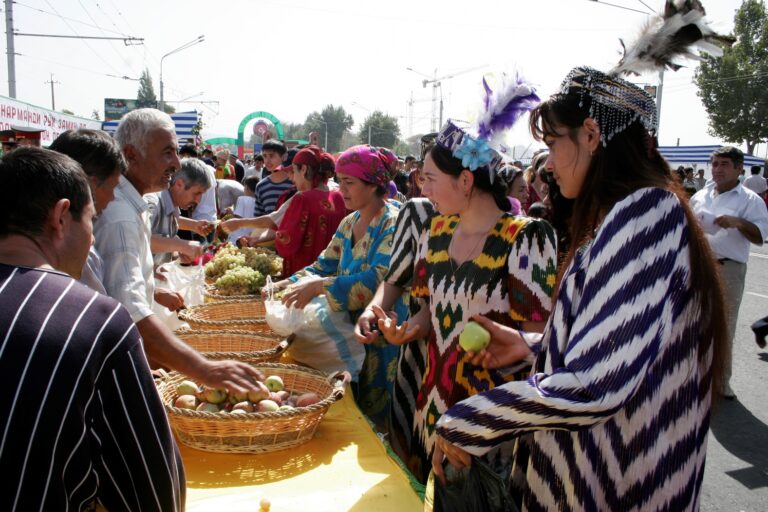
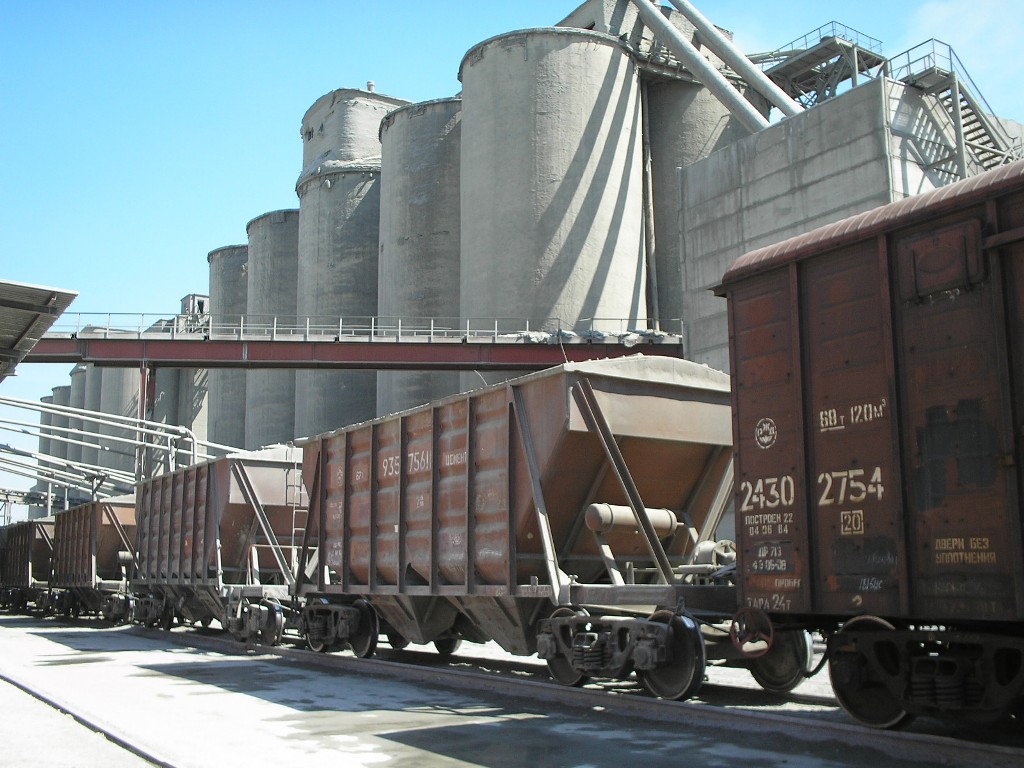
The new program aims to transform the country’s export strategy. Currently, Tajikistan primarily exports raw materials such as cotton, aluminum, and ores, making the economy highly dependent on global prices. The government plans to shift the focus to finished goods and services. This includes processing raw materials domestically and exporting products such as clothing, food, construction materials, and electrical equipment.
Another priority is the "green" economy—focusing on clean energy and eco-friendly technologies. These products are in high demand in European, Middle Eastern, and Asian markets.
Two potential scenarios for export growth
The program lays out two possible scenarios for export development, depending on the level of effort from the government and businesses:
· Moderate scenario — Under this scenario, export growth would be gradual, with no major changes. By 2030, the value of exports could increase to $2.8 billion for goods and $600 million for services. The country would still remain heavily dependent on raw materials, and imports would continue to exceed exports. This scenario is considered more cautious.
· Active scenario — A more ambitious approach would involve extensive reforms, including improvements in logistics, digital services, "green" technologies, and support for national brands. Under this scenario, exports could rise to $4.5–4.8 billion, with a significant increase in the share of finished products. This would make the economy more resilient and reduce its dependence on imports.
Supporting exporters
One of the main priorities of the program is to help businesses expand into foreign markets. Plans include offering training courses for entrepreneurs on how to sell products abroad, navigate documentation, work with foreign partners, and comply with international standards. Exporters will also receive guidance on customs rules and quality standards to avoid costly mistakes.
Financial support and key sectors
The government plans to increase financial support for exporters through concessional loans, grants, risk insurance, and assistance with entering new markets. Special attention will be given to sectors with the greatest potential to benefit the economy, including agricultural processing, textiles and apparel, metal processing, electricity, "green" technologies, and services like tourism, IT, transport, education, and healthcare.
Simplified procedures and digital services
One of the key challenges for exporters is complex procedures, which often hinder trade. The new program aims to simplify these processes further. Plans include expanding the "Single Window" system, enhancing electronic document processing, and speeding up customs procedures. Reliable companies will have access to "green corridors" that will expedite customs clearance.
The program also emphasizes the role of e-commerce, with the goal of selling Tajik products through international online platforms.
Export clusters and logistics development
To make exports more efficient, the government plans to develop export clusters—collaborations between manufacturers, processors, logistics companies, and service providers. These clusters will be created in key sectors such as textiles, agro-processing, IT, and tourism, tailored to regional characteristics.
In addition, there are plans to improve logistics infrastructure, including the construction of agro-logistics centers, modernization of border checkpoints, and better transportation networks. These efforts will reduce delivery costs and transit times for exports.
Opportunities and risks
Tajikistan has several advantages, including cheap electricity, a favorable climate for agriculture, a growing services sector, and a strategic location in the region. However, the country also faces challenges such as dependence on raw materials, expensive logistics, outdated equipment, and low recognition of Tajik brands abroad.
Among the opportunities are the growing demand for eco-friendly products and the expansion of online trade. However, risks include fluctuations in global prices, climate change, and geopolitical instability.
This new export development program is designed to address these challenges while positioning Tajikistan for greater economic success in the coming years.