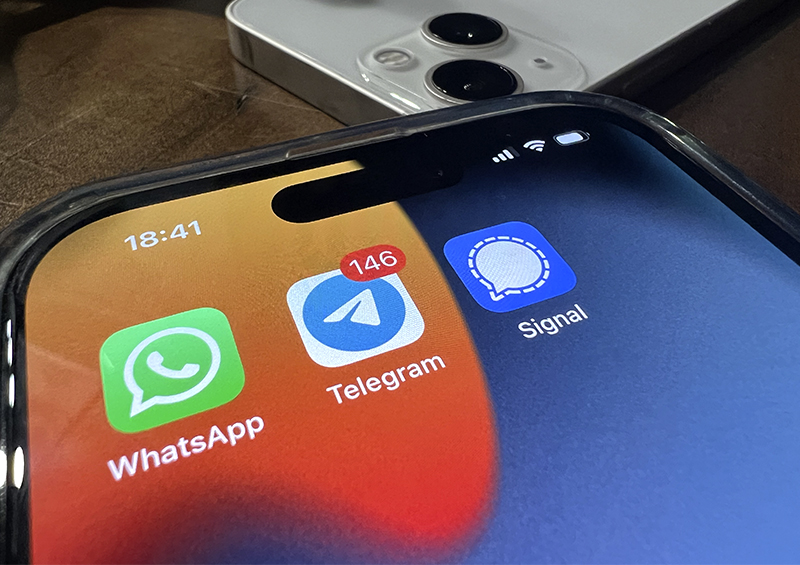
A group of 42 Russian citizens filed an administrative lawsuit against Roskomnadzor and the Ministry of Digital Development on December 23, 2025, demanding the lifting of restrictions on voice calls in the messaging apps WhatsApp and Telegram. The lawsuit, which has not yet been publicly listed on the court's website, was filed in the Tagansky District Court of Moscow, according to Meduza.
The plaintiffs argue that Roskomnadzor's actions are unconstitutional and infringe on their fundamental rights, including the freedom to receive and transmit information, the confidentiality of communication, privacy rights, and the principle of direct human rights protection.
The lawsuit highlights that the primary channels for fraud are no longer messaging apps but mobile phone calls and SMS. The plaintiffs also suggest that there are alternative methods for protecting users that do not limit their rights.
As of now, Roskomnadzor and the Ministry of Digital Development have not commented on the lawsuit.
Since August 2025, Russia’s communications regulator, Roskomnadzor, has been restricting calls through WhatsApp and Telegram, citing their use for organizing terrorist attacks, recruiting terrorists, committing fraud, and other crimes against Russian citizens.
On December 22, 2025, Russian users once again faced widespread issues with WhatsApp, with the app experiencing significant outages. Roskomnadzor has stated that it will continue to impose restrictions on the messenger and is prepared to completely block it if the company does not comply with Russian legal requirements.
In response, WhatsApp's management stated that the restrictions violate the rights of more than 100 million Russians to private, end-to-end encrypted communication. A spokesperson for the messenger emphasized that the app has become integral to users' daily lives across the country, from work and parental groups to family and friend chats. The company argued that forcing users to switch to less secure alternatives would reduce overall security for citizens.
Experts noted that, since December 22, WhatsApp's performance in Russia has dropped by 70-80%, marking another step in the service's gradual restriction.
How can migrants in Russia stay in touch with their families?
The restrictions are particularly impacting migrants from Tajikistan, who have long relied on these messaging apps to stay in contact with their families. Users are reporting poor connection quality and difficulties in making calls, making communication with loved ones much harder.
As a result, many migrants have turned to alternative ways to reach their families. Some are using VPNs to bypass restrictions, while others have switched to alternative apps offered by Tajik mobile operators, such as MobiGap (Babilon Mobile), Chi Gap (Tcell), Salom (ZET Mobile), and MegaFon Life. These services allow users to make calls and video calls to Tajikistan without limitations.
In addition, some users have returned to traditional phone calls and SMS, despite the higher cost, as they remain unaffected by the restrictions.