Russia is set to introduce criminal liability for migrants who use forged medical certificates. Three related bills addressing the monitoring of migrants’ health and the authenticity of medical documents have been submitted to the State Duma, TASS reports, citing Deputy Speaker Irina Yarovaya of the ruling United Russia party.
The initiatives have been supported by the Russian government, the Supreme Court, law enforcement agencies, and other relevant bodies. The bills were developed on the instruction of State Duma Speaker Vyacheslav Volodin, who had previously announced plans to tighten regulations in this area.
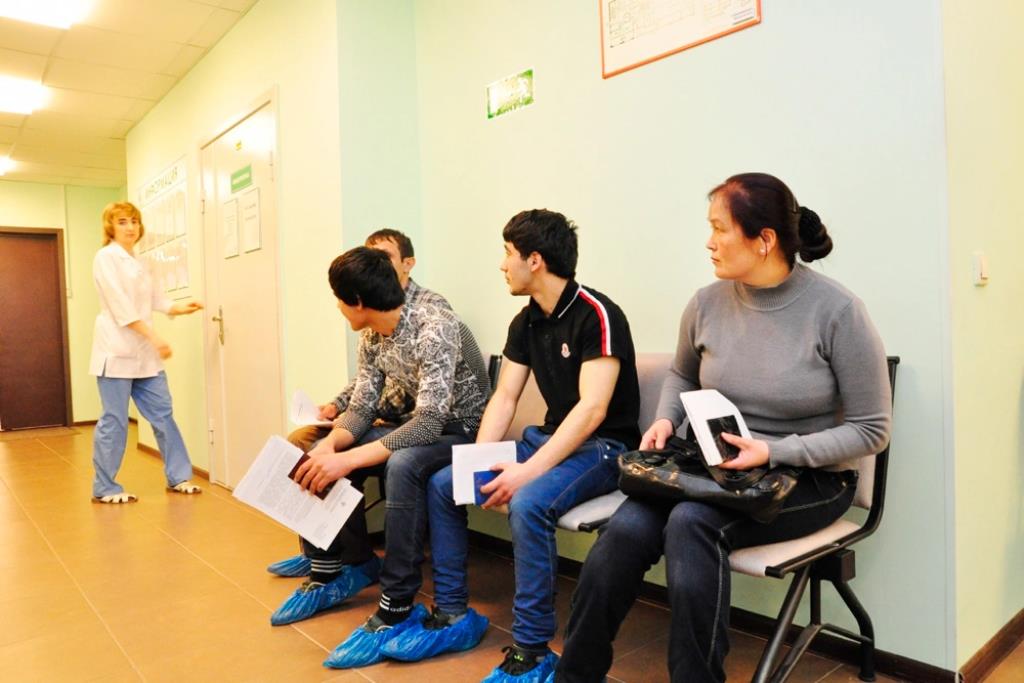
Under the proposed legislation, penalties for violations related to mandatory medical examinations for migrants would be significantly increased. Fines for evading medical screening are set to rise twelvefold, reaching 25,000–50,000 rubles, with courts given the authority to order deportation at their discretion.
For the first time, liability would also be introduced for failing to pay fines within the prescribed period, described as an additional disciplinary measure aimed at ensuring public safety.
Migrants found using forged medical certificates could face criminal charges, including up to four years in prison and fines ranging from 500,000 to one million rubles. Aggravating circumstances would apply if forged documents were produced or used via the internet or through abuse of official position. If such actions result in mass infection, the maximum prison sentence could be increased to eight years.
The bills also propose stricter criminal penalties for the production and circulation of fake documents certifying the absence of dangerous diseases.
In addition, administrative liability would be imposed on medical organizations that violate the procedures for conducting medical examinations of migrants. Penalties could include fines of 300,000 to one million rubles or suspension of operations for a period ranging from 14 to 90 days.
The proposed legislation would also reduce the mandatory period for migrants to undergo medical examinations from 90 to 30 days after entering Russia. Medical institutions would be required to upload medical conclusions to the unified state healthcare information system and submit the relevant data to the Russian Interior Ministry.
According to Yarovaya, the initiatives represent a “logical continuation” of comprehensive measures previously adopted by the State Duma to combat illegal migration.
“These measures will significantly improve the prevention and deterrence of crimes, while strengthening safeguards against abuses in the verification of foreign nationals’ health status and the issuance of medical documents,” she said.