Wander through the atmosphere of an eastern bazaar in Khujand, breathe in the dust of millennia-old history in Panjakent, follow the footsteps of Alexander the Great, and watch the sunset over a turquoise lake — in Tajikistan’s Sughd Region, all of this can fit into either a week-long journey or a short weekend escape. Here, the legacy of the Great Silk Road is not an abstract concept but a tangible reality of fortresses, cities and trails open to every traveler.
To help navigate this rich mosaic of eras and landscapes, we have selected the key destinations in Sughd — places worth every kilometer traveled.
Khujand: the heart of the region
A journey through Sughd is best started in its administrative center, Khujand, one of the oldest cities in Central Asia.
The city’s main landmark is the Khujand Fortress, founded in the 6th–5th centuries BC and once besieged by the armies of Genghis Khan.
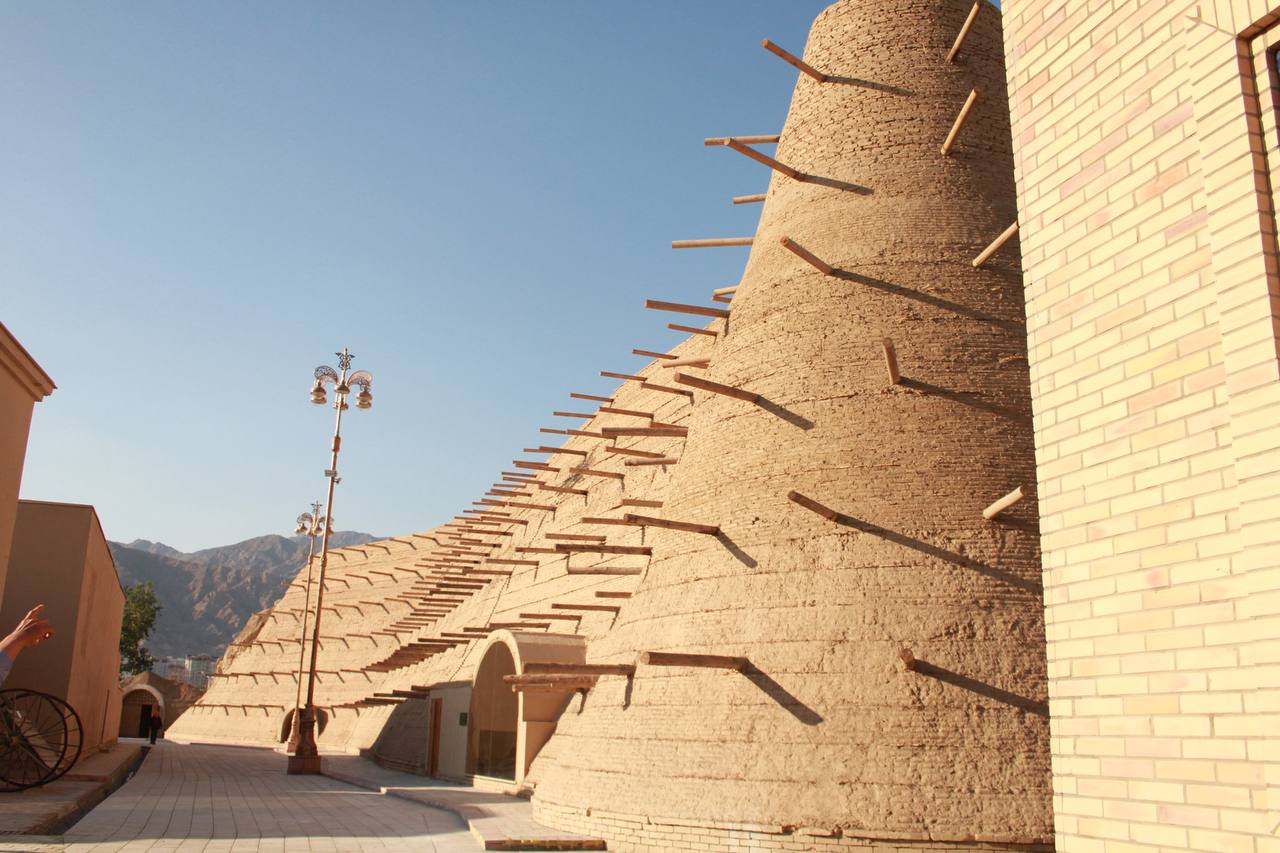
Today it houses a historical museum, while the surrounding area has been turned into a landscaped park along the Syr Darya River.
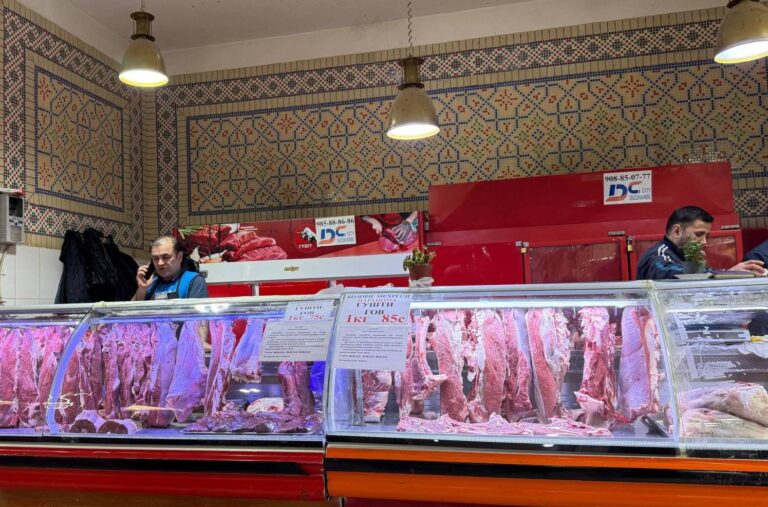
A visit to the Panjshanbe Bazaar is an essential part of the Khujand experience.
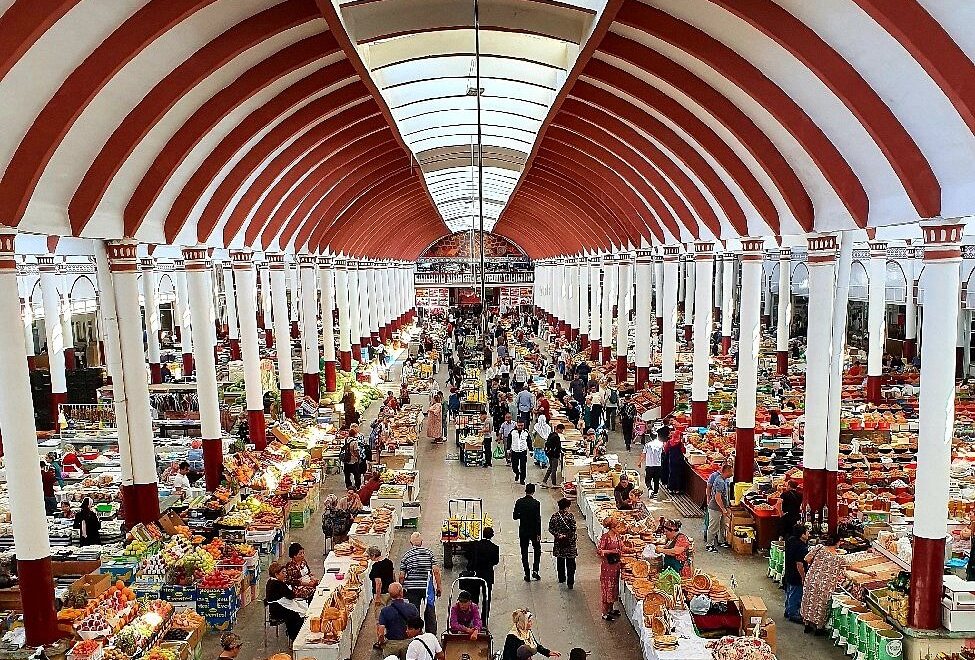
One of the most vibrant markets in the region, it attracts visitors not only with dried fruits and traditional bread but also with its striking architecture, considered among the finest in Central Asia.
Opposite the bazaar stands the Sheikh Muslihiddin Mausoleum, a religious complex dating from the 12th to the 19th centuries.
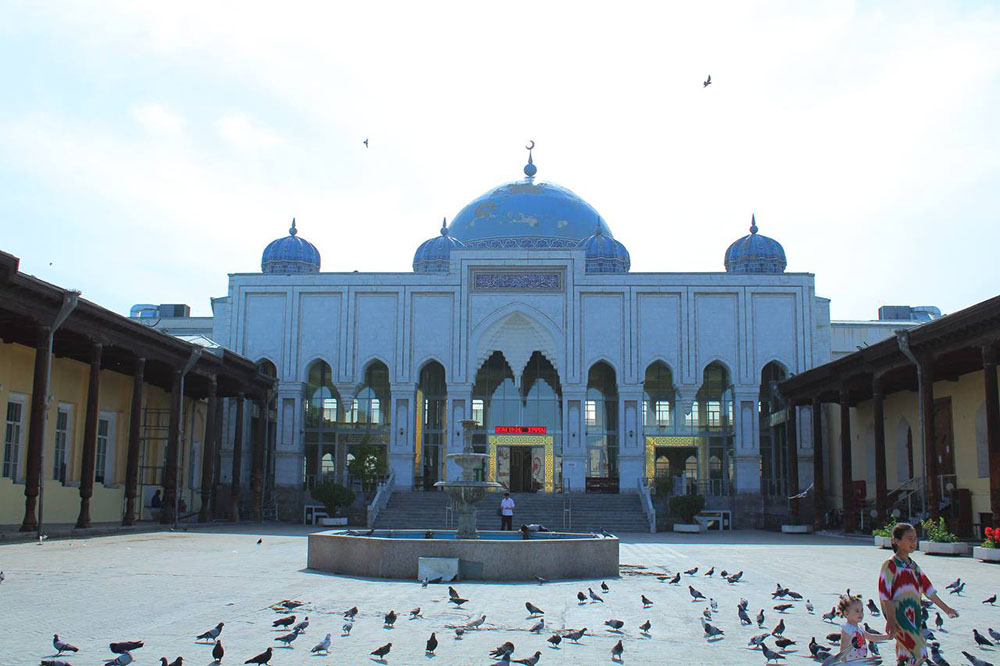
It includes a mosque, a minaret and the tomb of the revered ruler, with particular attention drawn to the 19th-century minaret and the intricate ganj (alabaster) carvings inside.
Panjakent: the “Pompeii of Central Asia”
Another historic gem of the region is Panjakent, where history seems frozen in stone and clay.
On the outskirts of the modern city lie the ruins of Ancient Panjakent, a prosperous Sogdian city of the 5th–8th centuries.
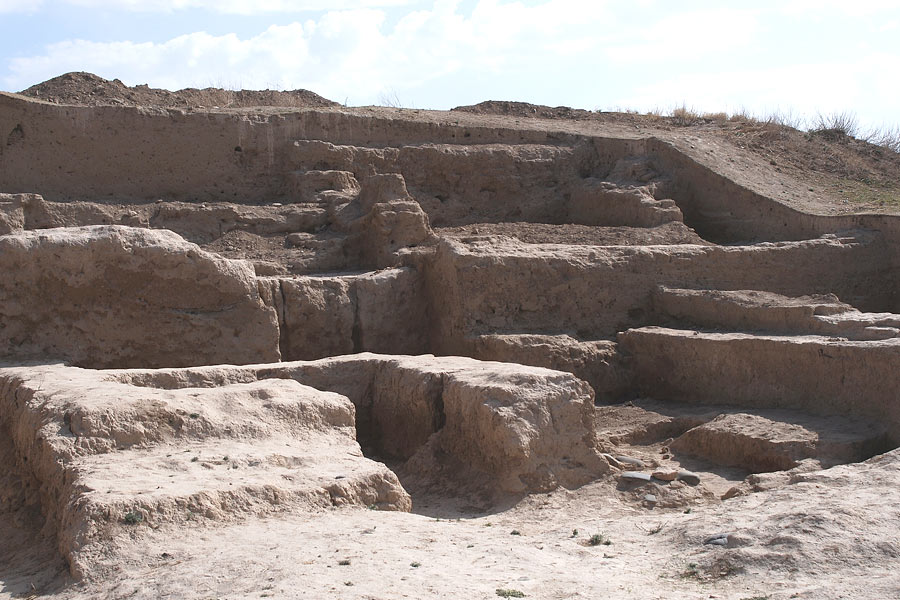
Archaeologists uncovered palace foundations, temples and residential quarters here. Famous wall paintings discovered at the site are now housed in the Hermitage Museum and the National Museum of Tajikistan in Dushanbe.
Nearby is Sarazm, a settlement more than 5,500 years old and a UNESCO World Heritage Site.
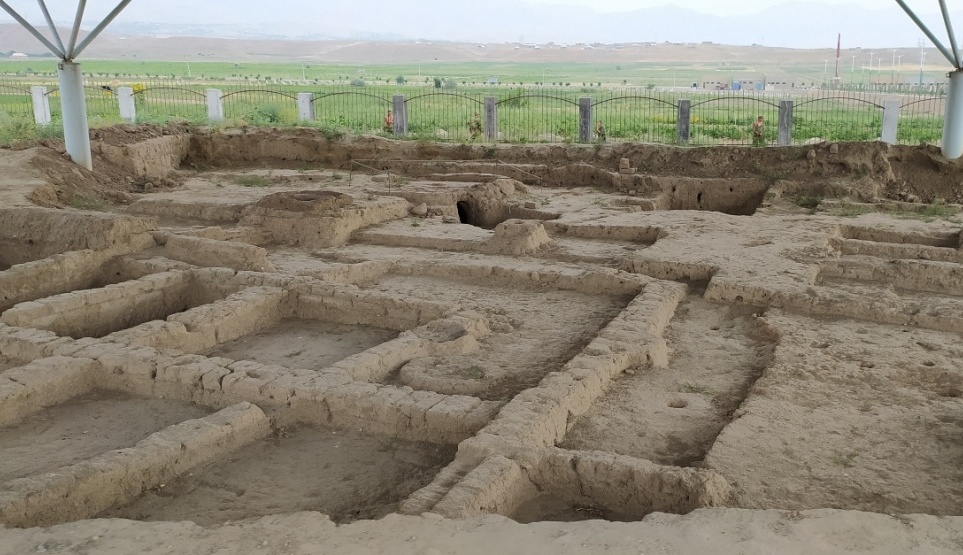
One of the oldest known urban sites in the world, Sarazm offers rare insight into the early development of civilization in the region.
Not far away stands the mausoleum of Abu Abdallah Rudaki, the founder of Tajik-Persian poetry. Located in the picturesque village of Panjrud, it is an important cultural and spiritual site for understanding Tajik identity.
Natural treasures: the Fann Mountains
Sughd is a paradise for lovers of mountains and water.
The region is home to Iskanderkul, one of Tajikistan’s most famous lakes, named after Alexander the Great.
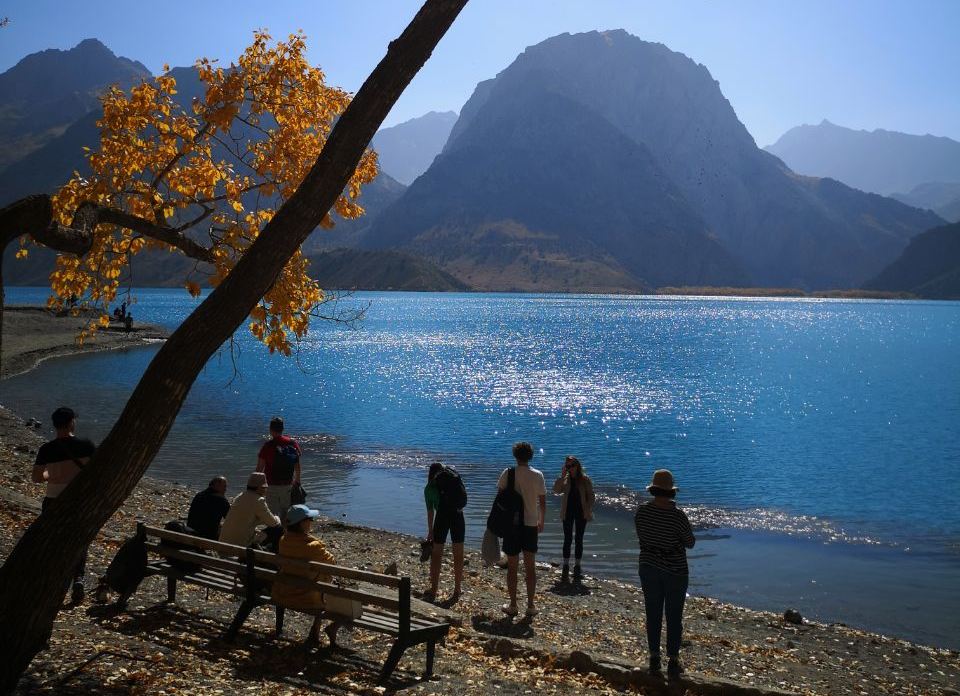
Often described as the country’s calling card, it is accompanied by nearby attractions such as the 40-meter-high “Fann Niagara” waterfall and the neighboring Snake Lake.
Equally striking are the Marghuzor Lakes, known as Haft Kul, a chain of seven lakes set in the Shing River gorge.
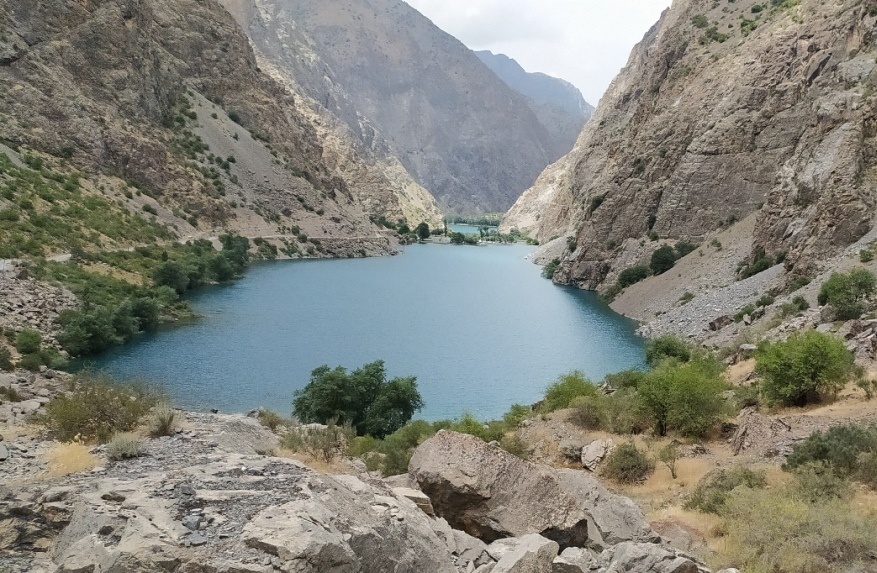
Each lake has its own distinct hue, ranging from pale blue to deep violet. Six lakes are accessible by car, while the seventh — Hazorchashma, or “Thousand Springs” — can be reached via a scenic hiking trail.
The Alauddin Lakes, located in the heart of the Fann Mountains, are renowned for their dramatic alpine scenery and crystal-clear waters.
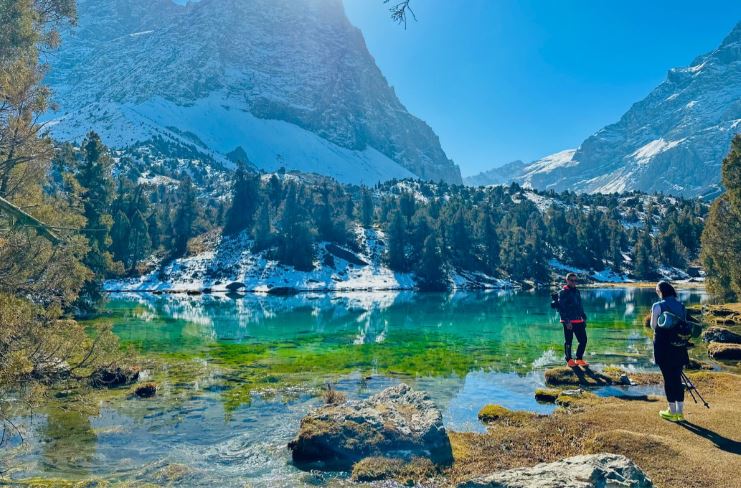
Nearby is the Artuch mountaineering base, a starting point for serious trekking routes, surrounded by relic juniper forests.
Istaravshan: a city of craftsmen
On the road between Khujand and Panjakent, a stop in Istaravshan (formerly Ura-Tyube) is well worth the time. One of the country’s oldest cities, it is famous for its craft traditions.
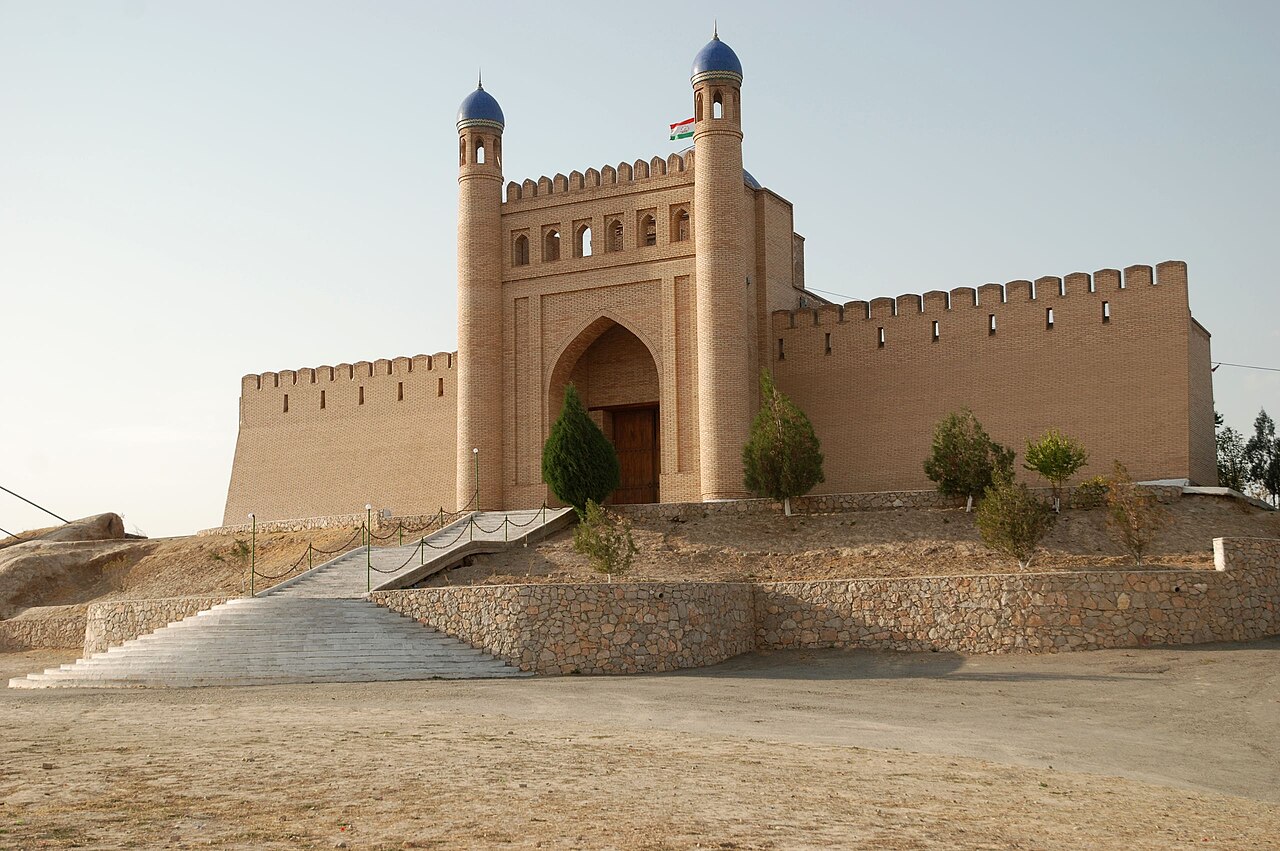
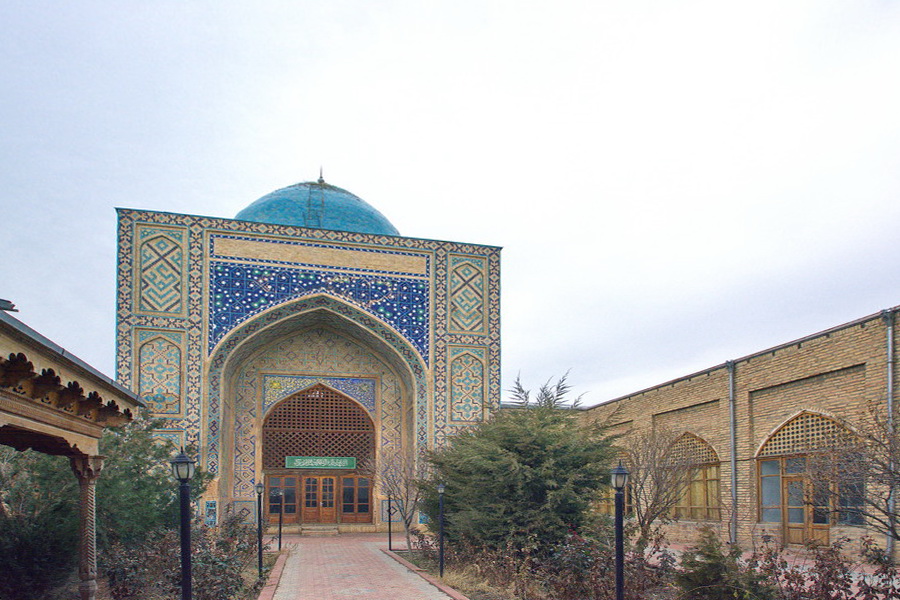
The reconstructed Mug Fortress rises above the city, offering panoramic views. Another highlight is the Kok-Gumbaz mosque-madrasa, built in the 16th century and distinguished by its massive blue dome — a rare example of Timurid-era architecture in Tajikistan.
Istaravshan is also known for its metalworking traditions, producing some of the country’s finest handmade knives.
Arbob Palace and the Tajik Sea
After touring the region and returning to Khujand, several more sites can round out the journey.
The Arbob Palace, built in the 1950s on the outskirts of the city, is sometimes called the “Taj Mahal” of the Soviet era.
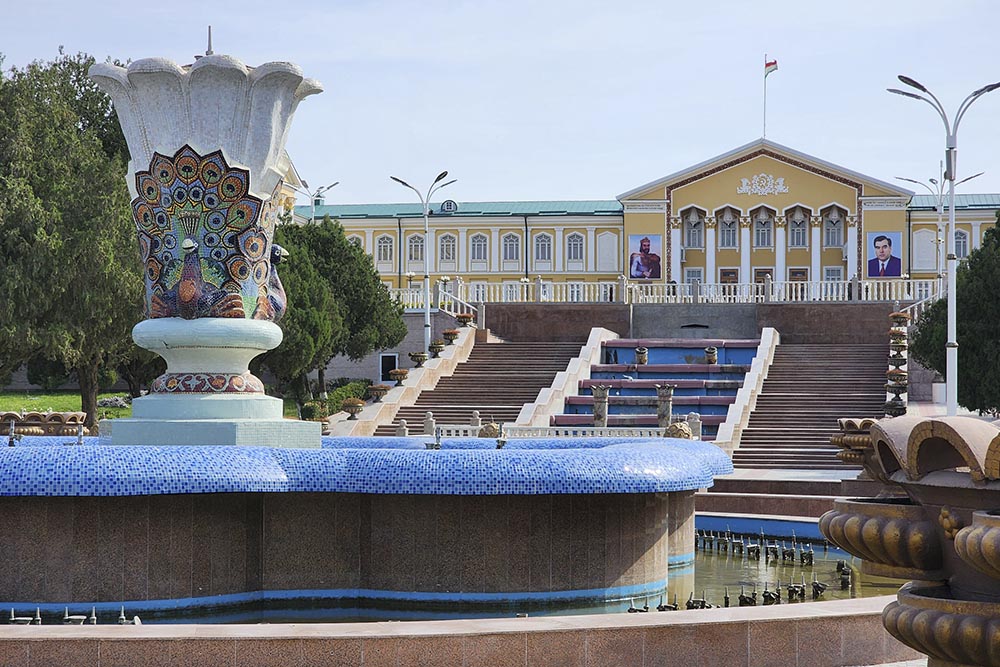
It features hand-painted ceilings, carved wooden columns and a cascading fountain ensemble reminiscent of Peterhof. The palace blends Stalinist Empire style with traditional Tajik craftsmanship.
About 25 kilometers from Khujand lies the Qayroqqum Reservoir, often referred to as the Tajik Sea.
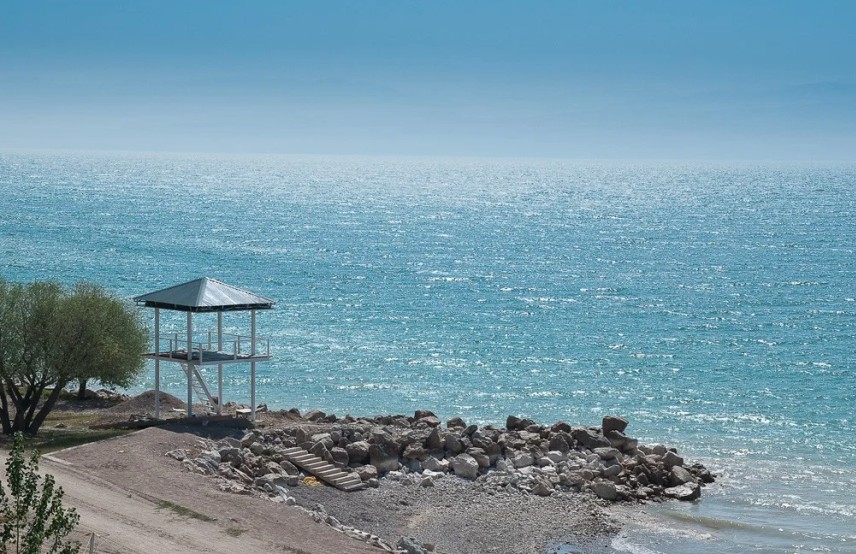
Stretching roughly 55 kilometers, this vast artificial lake is a popular recreational area, home to sanatoriums, beaches and lakeside cafés.
After mountain hikes and ancient ruins, the Tajik Sea offers an ideal place to relax, swim and enjoy freshly grilled fish.
Local tour operators such as Silkway Adventure, Amir Tour, Orient Adventure, Rasul Tour and others can help travelers plan customized routes or join group tours.