Tajikistan is placed 81st in the global ranking of import dependence. According to the World Bank, imports of goods and services accounted for 48.4% of the country’s gross domestic product (GDP) in 2023, well above the global average and indicating a high reliance on external supplies.
World Bank data published by Visual Capitalist show that nearly half of Tajikistan’s economy is linked to imports. By comparison, the global average in 2024 stood at 28.2% of GDP, making Tajikistan one of the more vulnerable economies worldwide.
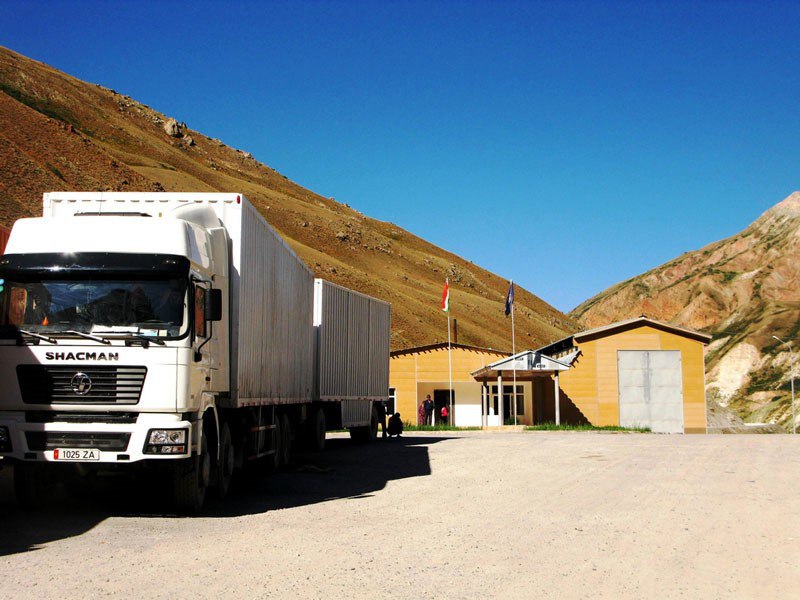
World Bank experts note that for a landlocked country with a limited industrial base, such a structure is largely expected. Tajikistan relies heavily on imports of fuel, food, machinery and industrial equipment, which are difficult or economically inefficient to produce domestically.
Among Central Asian countries, Tajikistan is one of the most import-dependent economies, ranking second only to Kyrgyzstan. Kyrgyzstan placed 17th globally, with imports accounting for 84.2% of GDP, making it one of the most import-dependent countries in the world.
Uzbekistan shows more balanced figures, with imports amounting to 38% of GDP in 2024. Kazakhstan, benefiting from substantial natural resources and a strong export sector, recorded one of the lowest import shares in Central Asia at 25.6% of GDP. Turkmenistan ranked at the bottom of the list with 11.2% of GDP, reflecting its relatively closed economy and focus on domestic production and energy exports.
Globally, the highest levels of import dependence were recorded in Hong Kong, Luxembourg, San Marino and Singapore. These are major trade and financial hubs through which large volumes of goods pass, often for re-export, pushing imports above 100% of GDP.
At the lower end of the ranking are Sudan, Venezuela and Turkmenistan, where low import shares reflect either economic isolation or severe restrictions on foreign trade.
Overall, the Europe and Central Asia region recorded an average import dependence of 41.4% of GDP in 2024. Against this backdrop, Tajikistan is close to the regional average but remains more vulnerable than the region’s largest economies.
World Bank experts stress that a high share of imports is not inherently negative. However, amid rising geopolitical tensions, price volatility and disruptions in global supply chains, it increases risks to economic stability.
For Tajikistan, this underscores the importance of developing domestic production, strengthening energy independence and expanding regional economic cooperation.