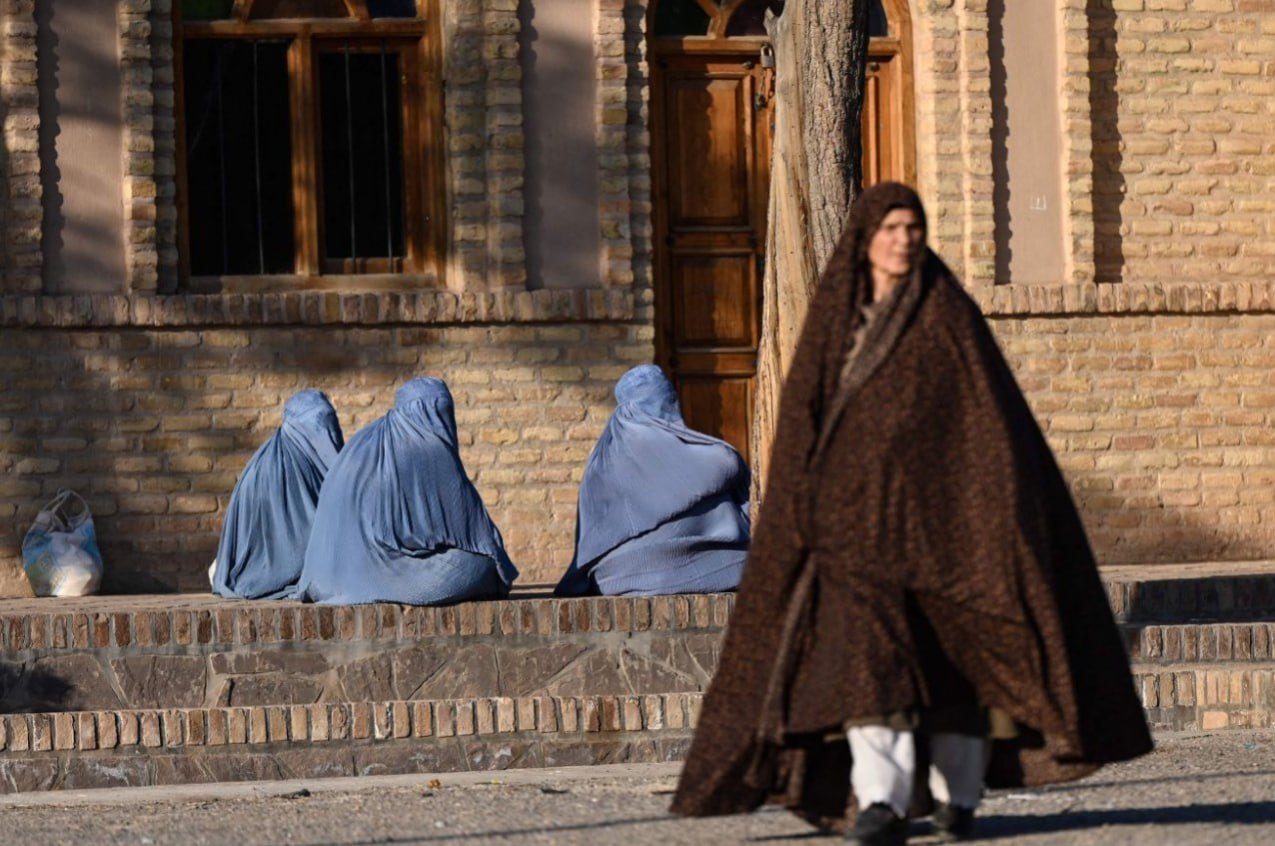
The new criminal procedural code issued by the Taliban in Afghanistan has drawn sharp criticism. According to human rights organizations, the document pushes the country back to medieval norms and completely disregards fundamental legal principles such as equality before the law and the presumption of innocence.
Legalizing discrimination
Meduza writes that according to the human rights organization Ravadari (tolerance), the new code legalizes gender, religious, and class-based discrimination, as well as violence against women and children. One particular point of concern is Article 32 of the code, which states that if a husband beats his wife, causing injuries, he may be sentenced to 15 days in prison. In contrast, organizing cockfights is considered a more serious crime, punishable by five months in prison.
Absence of legal principles
Human rights advocates argue that the code fails to uphold key legal principles that form the foundation of judicial systems worldwide, such as the adversarial process and the right to defense. Instead, it entrenches almost absolute authority for husbands over wives, parents over children, and teachers over students. The code also gives judges the discretion to impose punishments, which opens the door for arbitrary decision-making.
Unrestricted power and no protection for women's rights
The code also addresses the responsibility to "prevent vice," granting any Muslim who witnesses a "sinful" act the right—and even the duty—to take action, including violent measures, to stop the offense. However, there are no clear criteria for what constitutes a "sin," effectively legalizing arbitrary behavior.
International criticism
The Malala Fund, named after Nobel Peace Prize laureate Malala Yousafzai, stated that the new code completes the process of legalizing "gender apartheid" in Afghanistan. Women and children are left in an extremely vulnerable position, as their rights are essentially unprotected.
The Taliban legal system: a return to the middle ages
While the code does not introduce new prohibitions, it reaffirms existing norms, such as prohibiting a wife from leaving her husband’s home without his consent.
According to human rights groups, these restrictions mirror the practices of slavery and class division, which were already introduced under previous Taliban laws, such as the 2024 Law on Promotion of Virtue and Prevention of Vice. This legislation forces women to cover their faces and forbids them from leaving their homes without a male guardian.