KHUJAND, November 2, 2010, Asia-Plus — Opportunities and risks in fruit-and-vegetable processing sector in Tajikistan will be discussed in Khujand tomorrow.
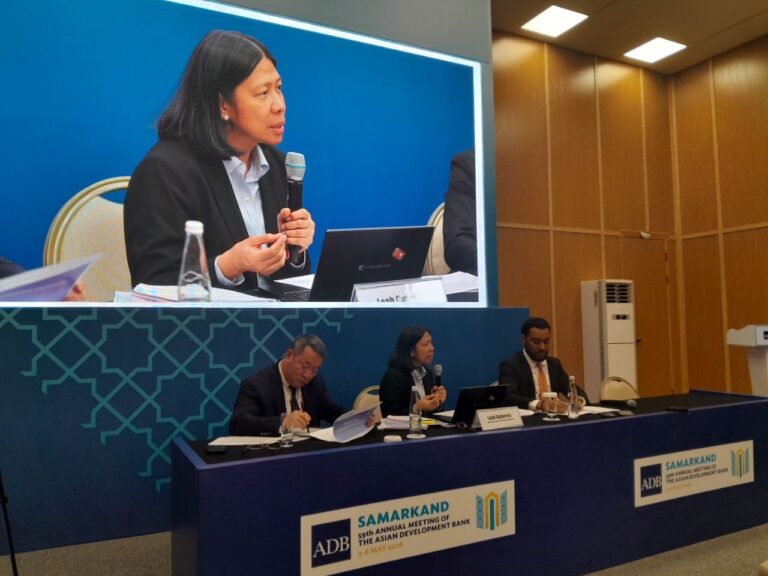
A roundtable meeting on this subject is organized by Hilfswerk Austria International in Tajikistan in cooperation with the Association of Scientific and Technical Intelligentsia of Tajikistan (ASTI) within the project, Support to Food Processing Small and Medium Enterprises in Tajikistan”, financed by the European Union (EU) program “Central Asia – Invest”.
According to Hilfswerk Austria International Tajikistan, the overall objective of the project is to strengthen agribusiness intermediaries in the Tajikistan regions of Sughd and Khatlon, to introduce new innovative business ideas and improve services in the food processing and packing sector.
The roundtable will be opened by Ambassador Eduard Auer, Head of the European Union to Tajikistan.
The meeting participants will include both representatives of food and vegetable processing companies and relevant governmental agencies.
Representatives of Tojikstandart (agency for standardization, metrology, certification and trade inspection, Customs Service and Tax Committee will present short overviews on ongoing reforms and changes in the national legislation, promoting development of food processing sector in Tajikistan. Representatives of USAID Regional Trade Liberalization and Customs Project will inform about the preparation process of Tajikistan for joining the World Trade Organization (WTO).
Hilfswerk Austria International is a non-profit, cross-denominational and non-partisan organization providing both international and humanitarian aid for victims of war and environmental disasters as well as long-term development assistance. Hilfswerk Austria International has been working in Tajikistan since 2001.
The Association of Scientific and Technical Intelligentsia of Tajikistan (ASTI) is a non-government non-profit organization promoting the development of democratic reforms and supporting the most vulnerable groups of the population in the Republic of Tajikistan by effective use of the potential of intelligentsia in scientific technical fields as well as by strengthening the role of the non-profit sector by implementing social, informational, coordinating, educational, consulting programs and programs of development.