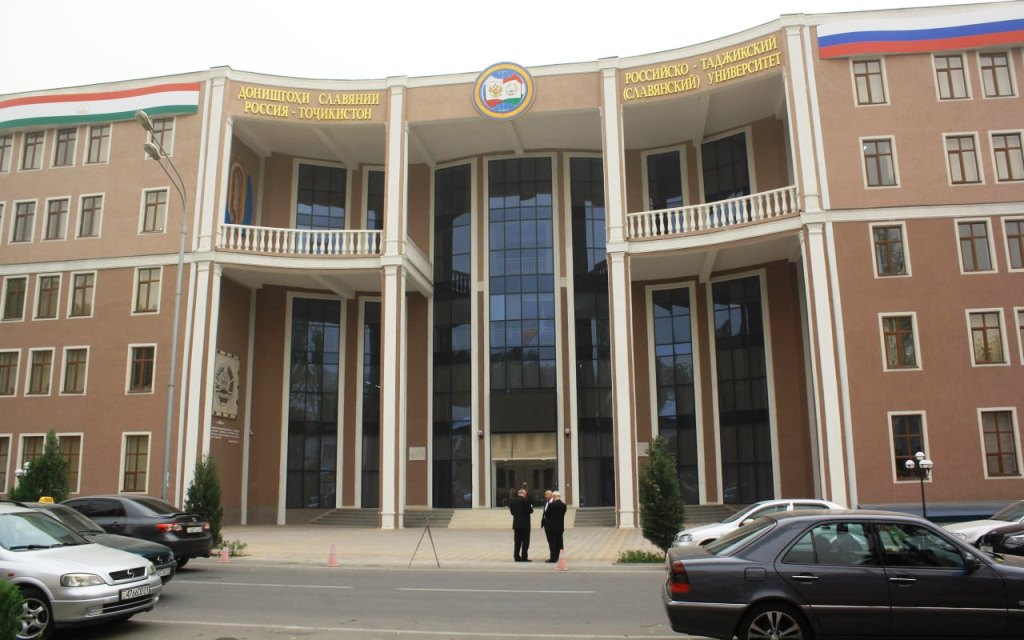
Russia has temporarily suspended funding for the Tajik-Russian Slavic University (RTSU) due to a dispute over the appointment of a new rector without prior consultation with Russian authorities, according to Konstantin Mogilevsky, Deputy Minister of Science and Higher Education of Russia.
Mogilevsky explained that the suspension followed the appointment of Ilhomiddin Ibrohimzoda as the new rector in November 2025, a decision that was not agreed upon by Russia. This move has raised concerns, as it goes against the terms of an existing intergovernmental agreement, which stipulates that rector appointments must be approved by both Russia and Tajikistan.
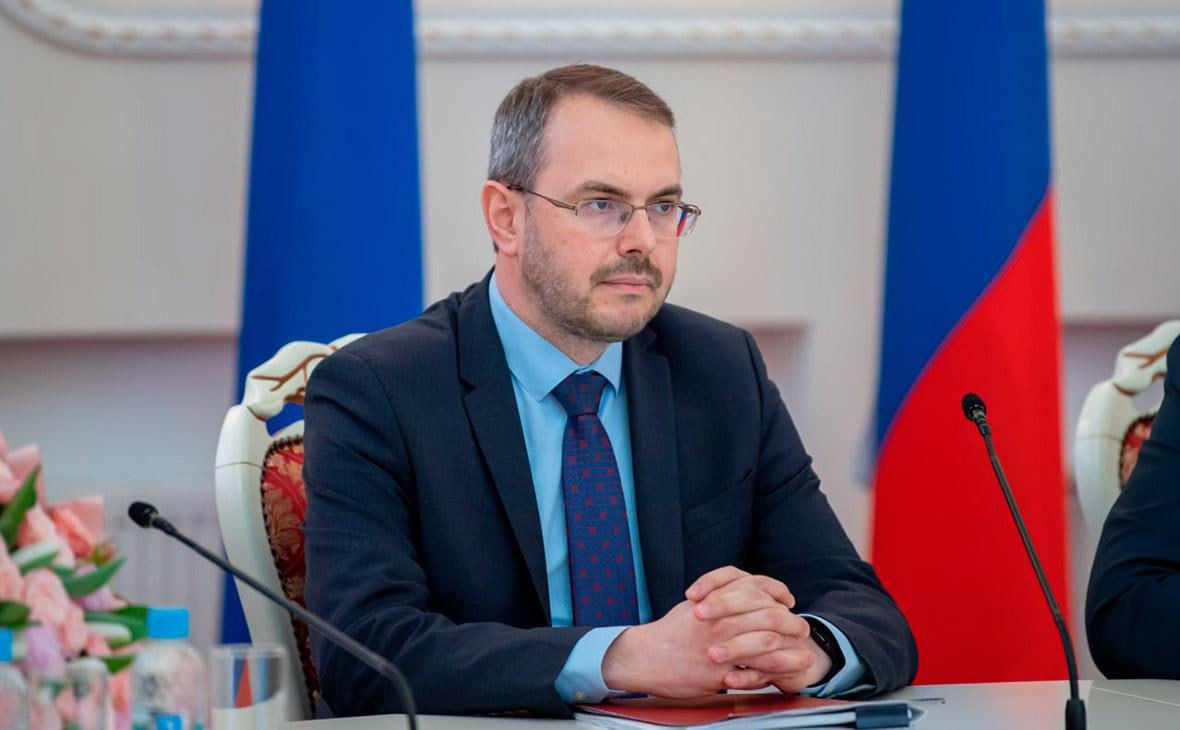
"The intergovernmental agreement that we follow requires that the rector be selected from candidates who are agreed upon with Russia," Mogilevsky said in an interview with Sputnik Radio. "However, the latest appointment was made without our consultation, and we cannot accept this decision."
He emphasized that the issue was not with the new rector personally but with the violation of established legal procedures. As a result, Russia has temporarily halted funding for the university, although salaries for staff will still be paid. "We will continue to pay wages, but we are awaiting a resolution before approving other expenses," Mogilevsky noted.
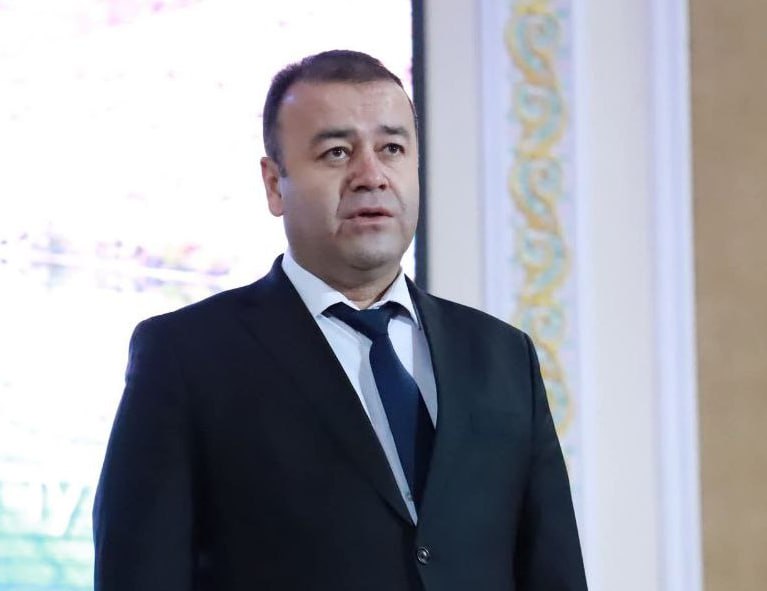
Mogilevsky further stressed that Russia expects Tajikistan to rectify the situation by suggesting a list of candidates for approval.
Tajik education ministry's response
In response to Russia's concerns, the Ministry of Education and Science of Tajikistan confirmed that the issue is being addressed and would be resolved soon. Khurshed Mavlonov, the ministry’s press secretary, told Asia-Plus that the approval of Ilhomiddin Ibrohimzoda as rector is still under review.
"The issue of agreeing on the new rector is being considered. The salaries of the university's staff have not been suspended, and the work of RTSU continues as usual," Mavlonov stated.
A key educational institution
RTSU is a joint educational institution operated by both Russia and Tajikistan under an intergovernmental agreement. It is one of the main centers for education in the Russian language in Tajikistan and is regarded as an important tool for promoting Russia’s soft power in the region.
Experts argue that the university plays a key role in strengthening bilateral ties and fostering Russian influence in Tajikistan. Despite the current dispute, the university’s ongoing operation underscores its strategic importance in the region.