For many rural families in Tajikistan, financial literacy is more than just a useful skill—it's a necessity for survival.
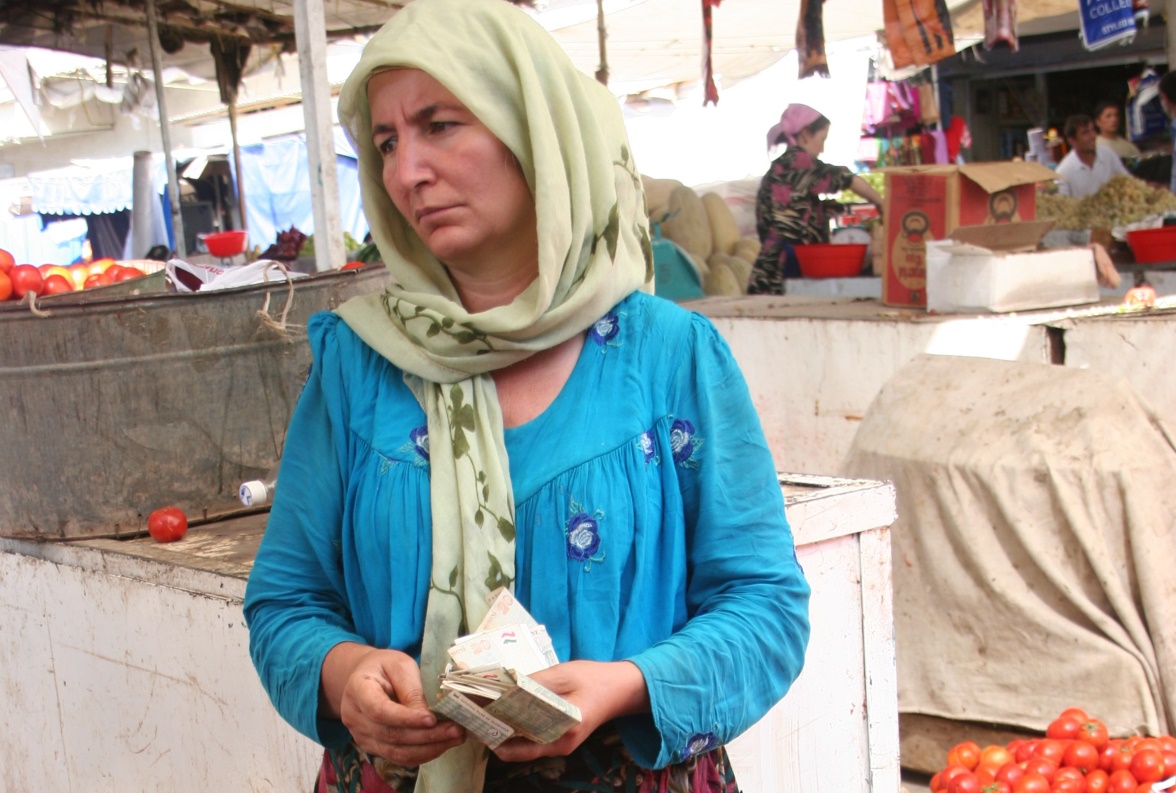
Each morning, Gulandom starts her day with a simple calculation: How much milk will her cow produce today? How many loaves of bread can she bake in the tandoor? And, most importantly, will there be enough money to buy meat for her children this month?
Her household consists of six people: herself, her four children, and her husband, who works in Russia for most of the year. While he is away, the responsibility for managing the household and family budget falls entirely on her shoulders.
Today, Gulandom plans to sell five liters of milk at 6 somoni per liter, earning a total of 30 somoni. However, this amount is far from enough to cover her expenses. Most of the family's income comes from money sent by her husband from Russia, but remittances are often delayed, and daily expenses are constant.
Gulandom’s story is typical for many rural families in Tajikistan, where income is largely reliant on migrant remittances, seasonal labor, and small-scale farming. Most of the family’s money goes toward essential needs like food.
Three sources of Income
Gulandom's primary source of income is her husband's remittances from Russia. From April to November, he sends between 5,000 and 10,000 somoni each month. In the winter, he returns to Tajikistan and looks for seasonal work at the local labor market, the "mardikorbazar." Some months, he finds work; other months, he does not.
While her husband is away, Gulandom is responsible for running the household.
The family owns one cow with a calf. Gulandom sells 4-5 liters of milk each day, generating about 900 somoni a month. After covering the cost of feed, she is left with around 500 somoni.
From spring to fall, she also works for local farmers, doing various tasks like weeding onions, harvesting crops, and collecting grapes. For a full day's work, she earns between 100-150 somoni. If work is available for 15-20 days a month, she can earn around 2,000 somoni. However, such work is only available during the warmer months, and there is no similar work in winter. To make up for the shortfall, she bakes kulchas in the tandoor, and her eldest son sells them at the local market, earning an additional 300-400 somoni per week.
On average, the family earns between 5,000 and 10,000 somoni a month, but income is unstable and dependent on both the season and remittances from Russia.
According to the World Bank, remittances make up more than 30% of Tajikistan’s economy—one of the highest rates in the world. The Tajikistan Statistics Agency reports that, in 2025, families in the country spent over 50% of their income on food, about 570 somoni per person per month.
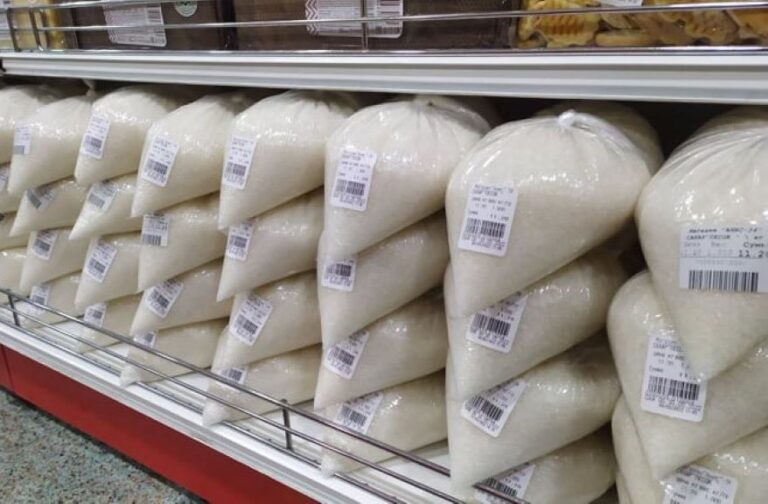
For a family of six, food costs can reach 3,000-4,000 somoni. Most of this is spent on bread, meat, oil, and vegetables. The rest of the budget is used for clothing, school supplies, transportation, utilities, and communication costs.
Official data indicates that the average monthly income per person in Tajikistan in 2025 was about 1,110 somoni, which is nearly equal to the average family's monthly expenses, leaving little room for savings.
Four threats to family finances
Even when families try to save, unexpected events can devastate their finances. The most immediate threat is illness, as medical bills and medications can cost thousands of somoni. Many families are forced to borrow money in such cases.
Family events, such as weddings, funerals, and other significant gatherings, also drain the budget. Even a modest event can cost several thousand somoni, and attending these events is an important part of maintaining social standing.
This year, Gulandom’s family did not have any weddings or other major events, but other relatives and neighbors did. A family must attend these events, often bringing gifts, which also takes a large portion of the household budget.
Another threat is the loss of assets. If a cow falls ill or is stolen, the family could lose its primary source of income.
In the evenings, Gulandom counts her money again, wondering if it will last until the next transfer, which is still two weeks away. To stretch the budget, she plans to bake more kulchas and cut back on food expenses.
Is budget planning possible?
Economists recommend that, even with limited income, families should keep track of their spending. The simplest method is to divide income into three categories: essential expenses, current purchases, and savings.
While global financial advice often follows the 50/30/20 rule, in Tajikistan, 60-70% of the budget is often spent on food alone.
Experts suggest saving at least a small portion of income—5-10%. Even a reserve of 500-1,000 somoni can serve as a small financial cushion in case of illness or income loss.