Climate change may cause serious economic damage to Central Asian countries by 2080. The most vulnerable will be the mountainous states of the region, where the effects of global warming will be particularly noticeable.
This was stated by Iskandar Abdullaev, a senior researcher at the International Water Management Institute of Uzbekistan, at the CAREC Technology Forum.
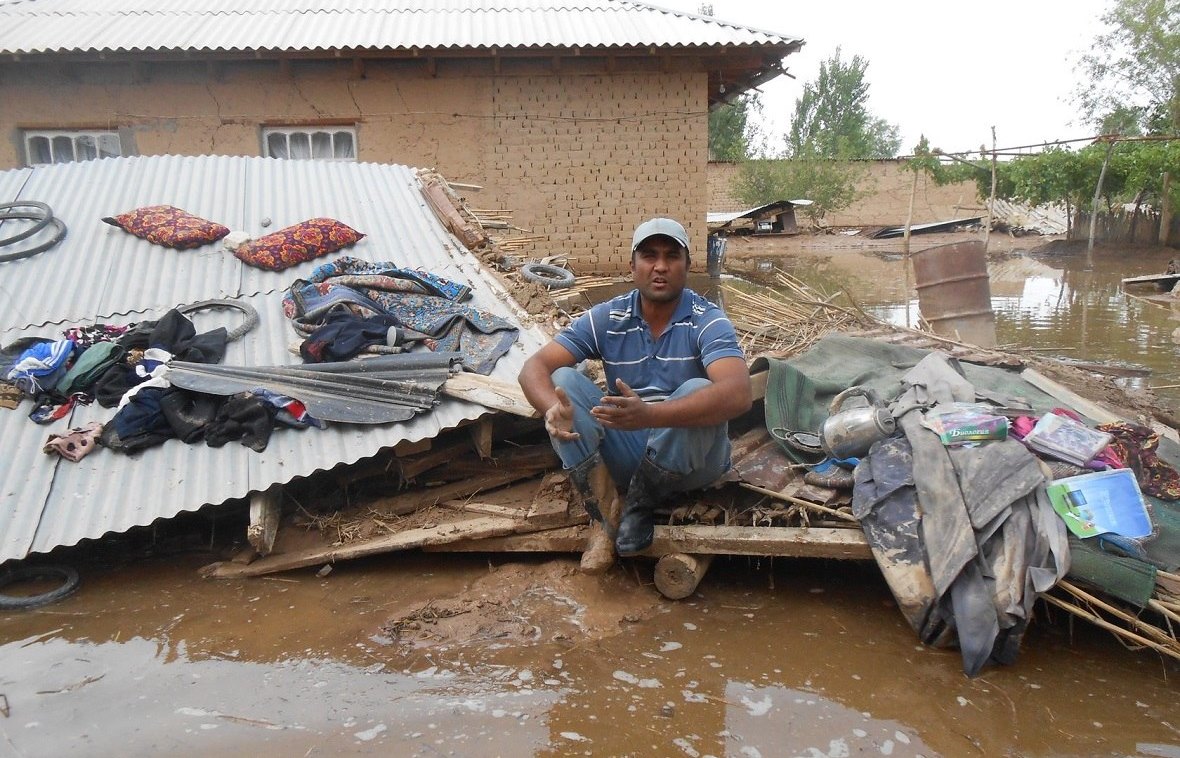
According to him, the climate agenda is already going beyond environmental issues and becoming a crucial economic factor. Among the key risks, he mentioned droughts and water shortages, floods, heat waves, and glacier melting.
According to the presented estimates, by 2080, the potential economic damage to the countries of the region could be:
– Tajikistan — from 80% to 130% of GDP,
– Kyrgyzstan — from 70% to 120% of GDP,
– Kazakhstan — 40–80% of GDP,
– Uzbekistan — 30–45% of GDP,
– Turkmenistan — 20–60% of GDP.
The expert emphasized that the greatest losses are expected in the mountainous countries, where climate changes directly affect water resources. The melting of glaciers may lead to a decrease in river flow, which will impact energy and water supply.
Moreover, droughts and extreme temperatures are already putting pressure on agriculture, reducing crop yields and pasture productivity. In the long term, this could undermine the economic stability of the region.
Experts note that adaptation measures are necessary to reduce risks, including the modernization of irrigation systems, the implementation of sustainable agricultural technologies, and the development of renewable energy.
According to World Bank estimates, natural disasters already cause significant economic damage to Central Asian countries. Losses from extreme events, including floods and earthquakes, can reach up to 6% of GDP, and the annual damage from earthquakes alone can be up to $2 billion.
Furthermore, countries in the region face the risk of financial deficits after major disasters: for Tajikistan, this could amount to up to $1.5 billion. In the long term, climate change exacerbates these risks and increases the burden on the economy.