
Expand Cooperation Agenda
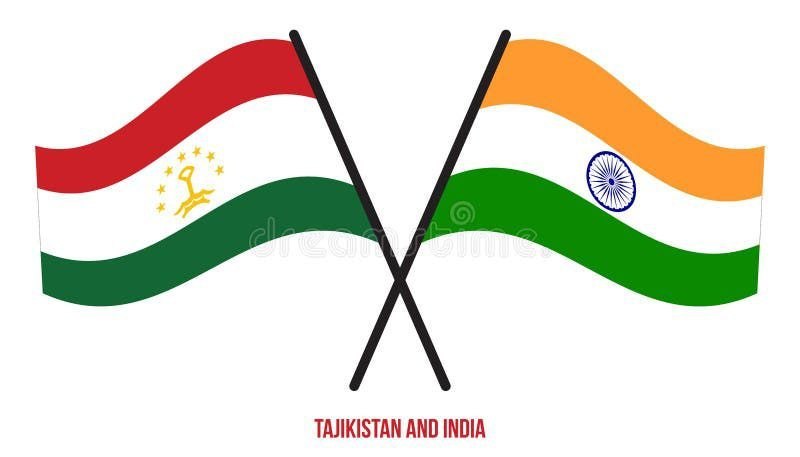
India and Tajikistan have once again reaffirmed their steadily expanding partnership through the fifth round of Foreign Office Consultations held in Dushanbe, underscoring the growing importance of Central Asia within India’s broader strategic outlook. The consultations, cochaired by Mr Sibi George, Secretary (West) from the Indian side, and MridibekKalandar, Deputy Minister of Foreign Affairs of Tajikistan, provided a comprehensive platform to review bilateral ties across a wide spectrum. Discussions spanned political engagement, defence and security cooperation, trade and economic relations, cultural exchanges, education, and consular matters. Both sides also engaged in substantive exchanges on regional and global developments, while assessing avenues for deeper coordination within multilateral
frameworks.
During the visit, Secretary (West) held high-level talks with Mr Sirojiddin Muhriddin, Minister of Foreign Affairs of Tajikitan. The meeting reflected a shared commitment to elevate the partnership by expanding the scope of engagement and identifying new areas of mutual benefit. The visit also carried a strong community outreach component, as the Indian delegation interacted with members of the Indian diaspora and local well-wishers in Dushanbe, acknowledging their role in strengthening people-to-people ties and fostering goodwill between the two countries.
A notable highlight of the visit was the emphasis on educational and cultural diplomacy.
Three new India Corners were inaugurated at leading
academic institutions in Tajikistan,
including the Tajik State Pedagogical University in Dushanbe, the Institute of Economy and Trade of the Tajik State University of Commerce in Khujand, and the Professional Technical Innovation Lyceum in Kulob. These centres are expected to serve as hubs for learning about India’s culture,
language, and academic opportunities. in addition, Indian musical
instruments were presented to the Tajik State Institute of Culture and Arts, while sports kits were donated to national youth football teams, reinforcing cooperation in youth engagement and cultural exchange.
The consultations and associated engagements align closely with India’s ‘Extended Neighbourhood’ policy, which seeks to deepen ties with Central Asian countries such as Tajikistan through sustained political dialogue and practical cooperation. Despite the strong historical and cultural bonds between India and Tajikistan, economic engagement between the two countries remains underdeveloped. Bilateral trade, for instance, stood at a modest level of approximately USD 100 million in 2023, accounting for less than one percent of Tajikistan’s total foreign trade. This gap highlights the untapped potential that both sides are now keen to address through targeted policy interventions and business facilitation measures.
Expanding trade and investment cooperation requires a concerted effort to attract Indian businesses to key sectors in Tajikistan’s economy. Priority areas include healthcare, pharmaceuticals, energy, mining, agriculture, textiles, banking, and tourism. By creating a more conducive investment environment and enhancing institutional linkages, both countries can unlock new opportunities for mutually beneficial growth.
In particular, the
complementarities between India’s industrial and technological capabilities and Tajikistan’s resource base offer a strong foundation for long-term collaboration.
Energy cooperation stands out as one of the most promising pillars of the partnership. As a country with vast hydropower potential, Tajikistan presents significant opportunities for Indian companies to participate in renewable energy development. Firms such as Tata Power, Bharat Heavy Electricals Limited, KEC International, and Kalpataru Projects International Limited have already been involved in projects in the region, demonstrating the viability of such collaboration.
However, the scope for further engagement remains considerable, particularly in hydropower initiatives. The development of such infrastructure could not only boost electricity generation in Tajikistan but also pave the way for regional energy connectivity between Central and South Asia, contributing to long-term energy In addition to hydropower, there is a growing interest in diversifying energy cooperation through solar power projects. The establishment of a Joint Working Group on Energy has helped in streamline the efforts and initial discussions on facilitate financing mechanisms, and promote technology transfer. Combining hydropower and solar energy would enable a
balanced and
sustainable energy mix, enhancing resilience and reducing
environmental impact. Another area especially the mining of critical minerals and other metals also offers great opportunities for bilateral cooperation between two countries.
Healthcare and pharmaceutical cooperation represent another area of strong potential.
India’s globally recognised pharmaceutical industry and medical expertise complement Tajikistan’s natural endowments, including medicinal herbs and therapeutic resources. This opportunities for joint ventures in pharmaceutical manufacturing, research, and medical tourism. A significant number of Tajik patients already travel to India each year for treatment, indicating both trust in india’s healthcare system and the demand for accessible, high-quality medical services.
Establishing modern healthcare facilities within Tajikistan
through joint initiatives could further strengthen this dimension of cooperation.
Education and technology partnerships have also shown steady progress. India’s capacity-building programmes, particularly under the Indian Technical and Economic Cooperation (ITEC) initiative and scholarships offered by the Indian Council for Cultural Relations (ICCR), have played an important role in training Tajik professionals. The increase in training siots over the years reflects the growing demand for Indian expertise. There is also considerable scope for Indian universities and technical institutes to establish a presence in Tajikistan, especially in fields such as information technology, engineering, and applied sciences. Such initiatives would contribute to skill development and help nurture a new generation of
professionais equipped to drive economic transformation.
Cultural ties continue to serve as a vital bridge between the two countries. Indian cinema television, music, and yoga enjoy widespread popularity in Tajikistan, fostering a deep sense of familiarity and connection. Institutions such as the Swami Vivekananda Cultural Centre in Dushanbe play a key role in promoting Indian culture through classes in dance, music, yoga, and language.
The establishment of India Study Corners and academic chairs dedicated to
Hindi and Urdu further strengthens intellectual and cultural exchanges.
The recent visits of Minister of Industry and New Technology of Republic of Tajikistan to attend International Al Impact Summit in New Delhi (Feb, 2026) and Minister of Energy and Water Resources of Republic of Tajikistan to attend the International Bharat Electricity Summit (March 2026) respectively along with high level delegation indicate ongoing deep cooperation between two countries. During the visit, both Ministers of Republic of Tajikistan have held many high level meetings with their counterparts and also business giants of India in New Delhi and explored the opportunities for bilateral cooperation including investment in their respective fields
Overall, the fifth round of Foreign Office Consultations in Dushanbe and visit of Ministers of Republic of Tajikistan to India highlight a shared determination to revitalise and expand India-Tajikistan relations across multiple domains.
By addressing existing gaps in economic engagement and building on established strengths in energy, healthcare, education, and culture, both countries are well-positioned to transform their partnership into a more dynamic and comprehensive relationship in the years ahead.
https://www.republicworld.com/india/india-tajikistan-review-wide-ranging-bilateral-cooperation-during-5th-round-of-foreign-office-consultations
https://www.newsonair.gov.in/india-and-tajikistan-hold-5th-round-of-foreign-office-consultations-in-dushanbe/
https://www.natstrat.org/articledetail/publications/tajikistan-india-relations-areas-of-future-cooperation-226.html
