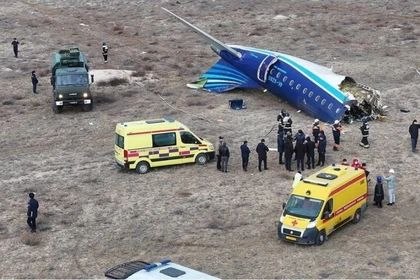
Russia has agreed to pay compensation to Azerbaijan following the crash of an Azerbaijan Airlines (AZAL) passenger plane that occurred in December 2024. The airliner crashed amid the operation of Russian air defense systems countering a Ukrainian drone attack in the Caucasus regions. Almost a year later, Moscow admitted its involvement, although it had previously denied it.
The foreign ministries of the two countries reported the agreement, stating that the parties reached a “proper settlement of the consequences,” including payments. However, the amounts, terms, and recipients of the compensations have not been disclosed, writes the BBC.
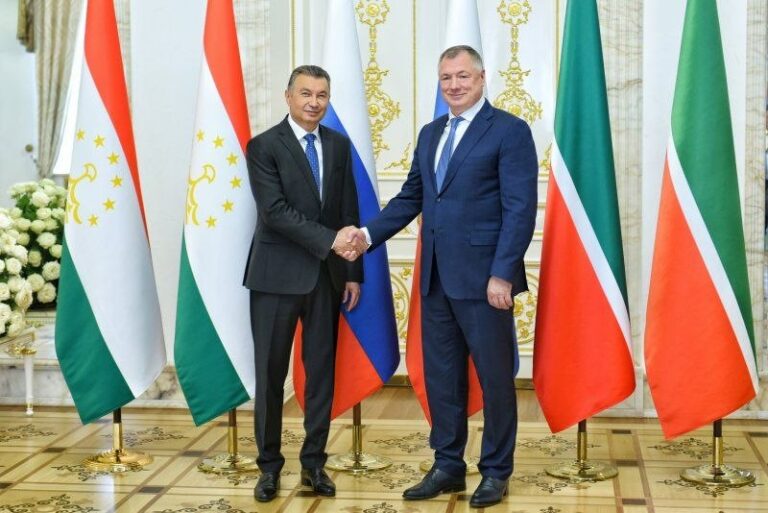
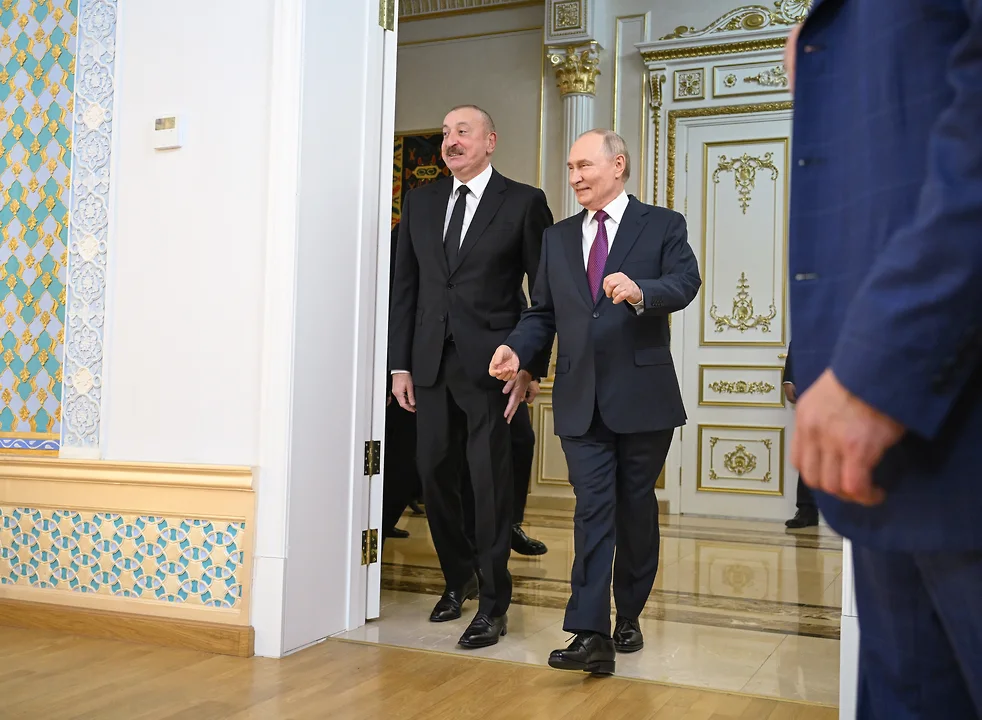
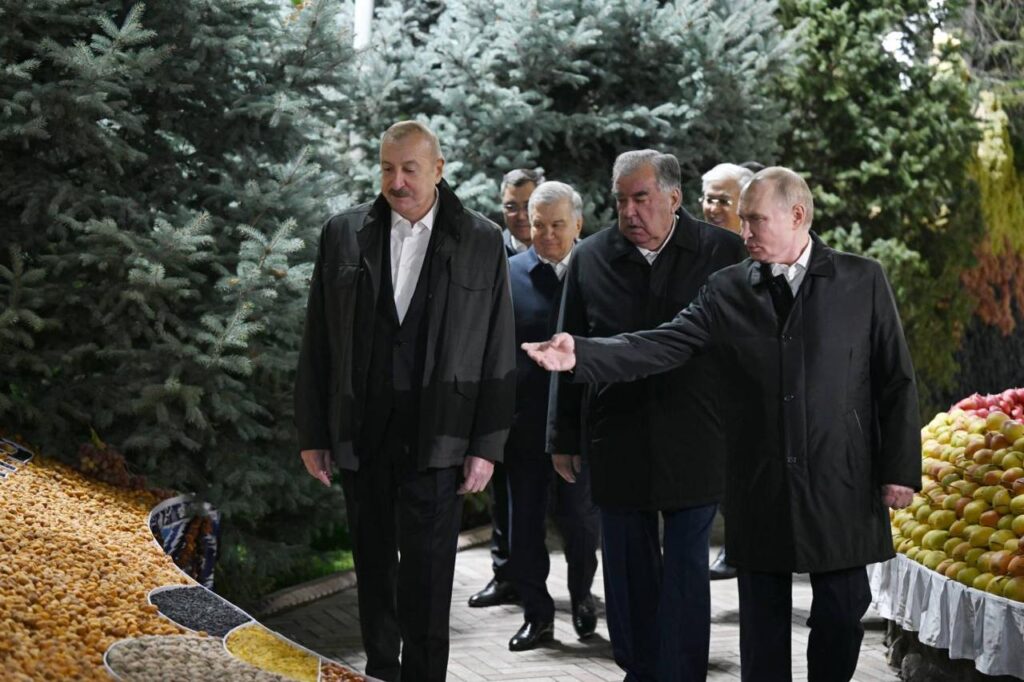
The agreement was reached at a meeting between Russian President Vladimir Putin and Azerbaijani President Ilham Aliyev, held in Dushanbe in October 2025.
The Circumstances of the Crash
According to a joint statement, the plane was shot down in Russian airspace as a result of an “unintentional action of the air defense system.”
The disaster occurred on the morning of December 25, 2024: the plane, operating a flight from Baku to Grozny, crashed near Aktau in Kazakhstan. Thirty-eight people were killed, and another 29 survived.
Baku immediately claimed “external impact,” while Moscow long denied involvement, leading to a sharp escalation in relations between the countries.
Escalation of Relations and Political Background
In July 2025, Ilham Aliyev announced his intention to appeal to an international court due to the lack of a clear response from Moscow. He also drew parallels with the downing of flight MH17, for which the Hague court held Russia responsible.
Additional tension arose after the arrests in Yekaterinburg of a group of Azerbaijani nationals over murders from the early 2000s. Two suspects died, and the sides assessed the causes of their deaths differently.
In response, eight Russian citizens were detained in Baku on charges of drug smuggling and cybercrimes. Azerbaijan also closed the Russian House, accusing its staff of espionage, and arrested the management of “Sputnik Azerbaijan,” part of the Russia Today media group.
Putin’s Statements on Air Defense Operations
On October 9, 2025, at a meeting in Dushanbe on the sidelines of the CIS summit, Vladimir Putin for the first time acknowledged that air defense missiles were activated near the plane and apologized to the Azerbaijani side.
According to him, the missiles did not hit the airliner directly but exploded several meters away from it. The plane was likely damaged by debris rather than the warhead’s striking elements — hence the pilot might have mistaken the incident for a bird strike.
Experts noted that the described principle matches the operation of the Pantsir air defense system: such missiles detonate near the target, striking it with fragments.
Putin also claimed that he received updated information about the incident only a few days before the meeting with Aliyev.
In turn, Aliyev thanked him for the personal oversight of the investigation and noted the positive dynamics of bilateral relations.
Legal Cases and Releases
Ten days after the negotiations, the executive director of “Sputnik Azerbaijan” Igor Kartavykh was released from custody in Baku, followed by chief editor Evgeny Belousov.
In March, sentences were handed down in Yekaterinburg for the murder case: former diaspora head Shakhin Shykhlynsky received 22 years in prison, and other defendants received from 10 to 21 years.
Later, the court increased Shykhlynsky’s sentence to 24 years in the case of violence against a government representative, and his son Mutvaly Shykhlynsky was sentenced to eight years in prison.
The case of eight Russian citizens detained in Azerbaijan in the summer of 2025 began to be considered by a court in Baku at the end of last week.