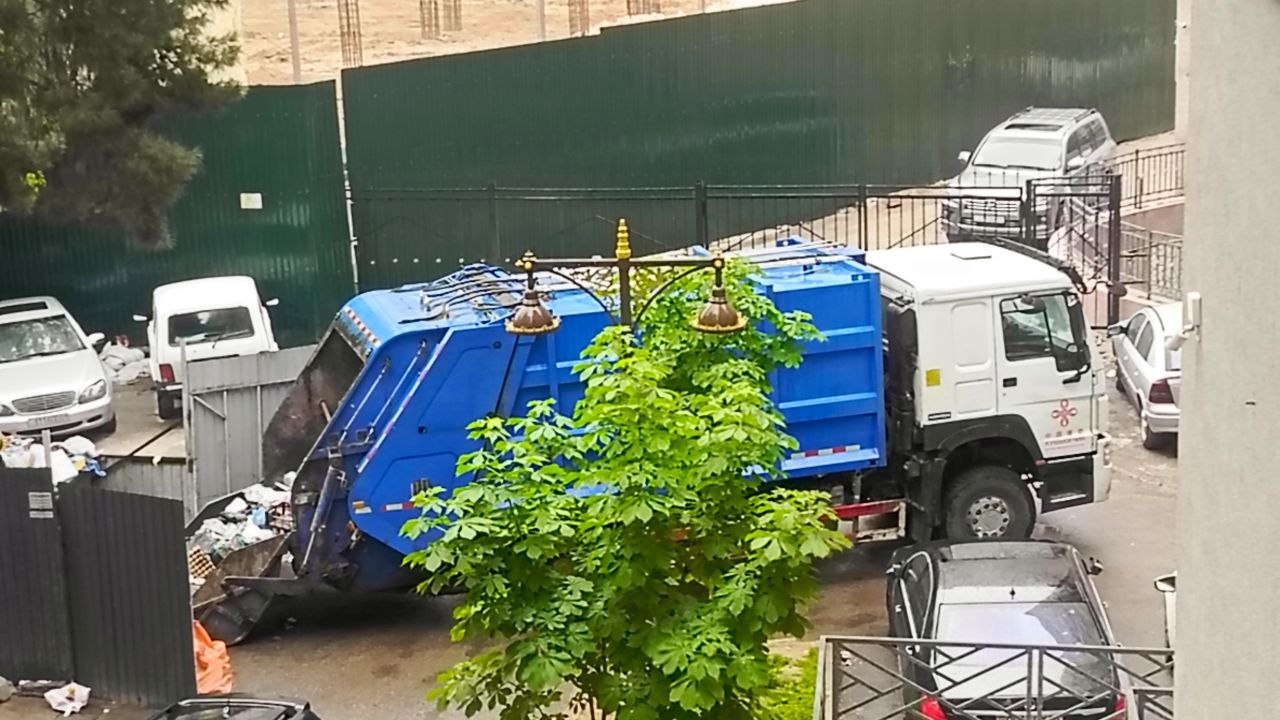
According to the World Bank report What a Waste 3.0, published in 2026, Tajikistan generates 0.46 kg of municipal solid waste per person per day. These data are part of a global analysis of waste management in 217 countries and will help assess how countries are dealing with this environmental issue.
The report shows that the waste generation level in Tajikistan is at an average level for Central Asia.
For comparison: in Kazakhstan, the figure is 0.52 kg, in Uzbekistan — 0.54 kg, and in Turkmenistan — 0.33 kg per person per day.
Waste Situation in Central Asia
Central Asia is a region where countries face common challenges in the field of waste management despite attempts to develop recycling and disposal infrastructure.
In 2022, countries in the region on average produced about 1.22 kg of solid waste per person per day, which is lower than in Europe, where the figure ranges from 1 to 3.5 kg per day.
At the same time, the main method of waste management in the region remains landfilling, whereas recycling and composting are poorly developed.
Experts note the lack of infrastructure and investments as key barriers to industry development.
Problems and Challenges for Tajikistan
In Tajikistan, the waste collection level in cities is relatively high; however, in rural areas, there are still difficulties in organizing systematic collection and disposal of waste.
As a result, a significant part of the waste continues to end up in landfills, which negatively impacts the environment and the health of the population.
World Bank Recommendations
To improve the situation, World Bank experts propose a set of measures:
- investments in waste recycling infrastructure, including the construction of new facilities for recycling plastic, glass, and other materials;
- development of educational programs on waste sorting and environmental literacy;
- expansion of waste collection systems in rural and remote areas.
The What a Waste 3.0 report emphasizes that without comprehensive reforms, countries in the region risk facing an increase in environmental and social problems.