
Tajikistan ranks 175th among 187 countries in the world in terms of employment, despite creating about 280,000 jobs in 2025. However, only a quarter of them are permanent, and the authorities are already aiming to create 1.4 million jobs in the coming years to improve the labor market situation.
Tajikistan ranks 175th among 187 countries in the world in terms of employment according to the latest International Labour Organization study for 2025. The employment rate in the country was 36%, meaning that just over a third of working-age citizens are engaged in economic activities.
The employment rate is considered one of the key indicators of the labor market’s condition. It reflects the share of working citizens among the population over 15 years old and is calculated based on data from national statistical services processed by the International Labour Organization (ILO).
ILO experts note that low figures can be attributed not only to unemployment but also to the high proportion of people not participating in the economy, including students, homemakers, and those employed in the informal sector.
Among CIS countries, Tajikistan is also among the laggards. The regional leader is Kazakhstan, which ranks 29th in the world with an employment rate of 67%. Belarus is in 67th place with 61%, Russia ranks 73rd with 60%. Kyrgyzstan and Uzbekistan hold 111th and 114th places, respectively, with rates around 55%.

What do the authorities say?
Meanwhile, the authorities of Tajikistan set ambitious goals for creating new jobs. President Emomali Rahmon of Tajikistan previously stated that in the next five years, the republic plans to create 1.4 million jobs.
According to him, this is necessary to ensure the employment of the growing working-age population, which has increased by nearly 880,000 people over the past ten years.
Annually, more than 150,000 graduates enter the labor market, requiring an active expansion of employment opportunities.
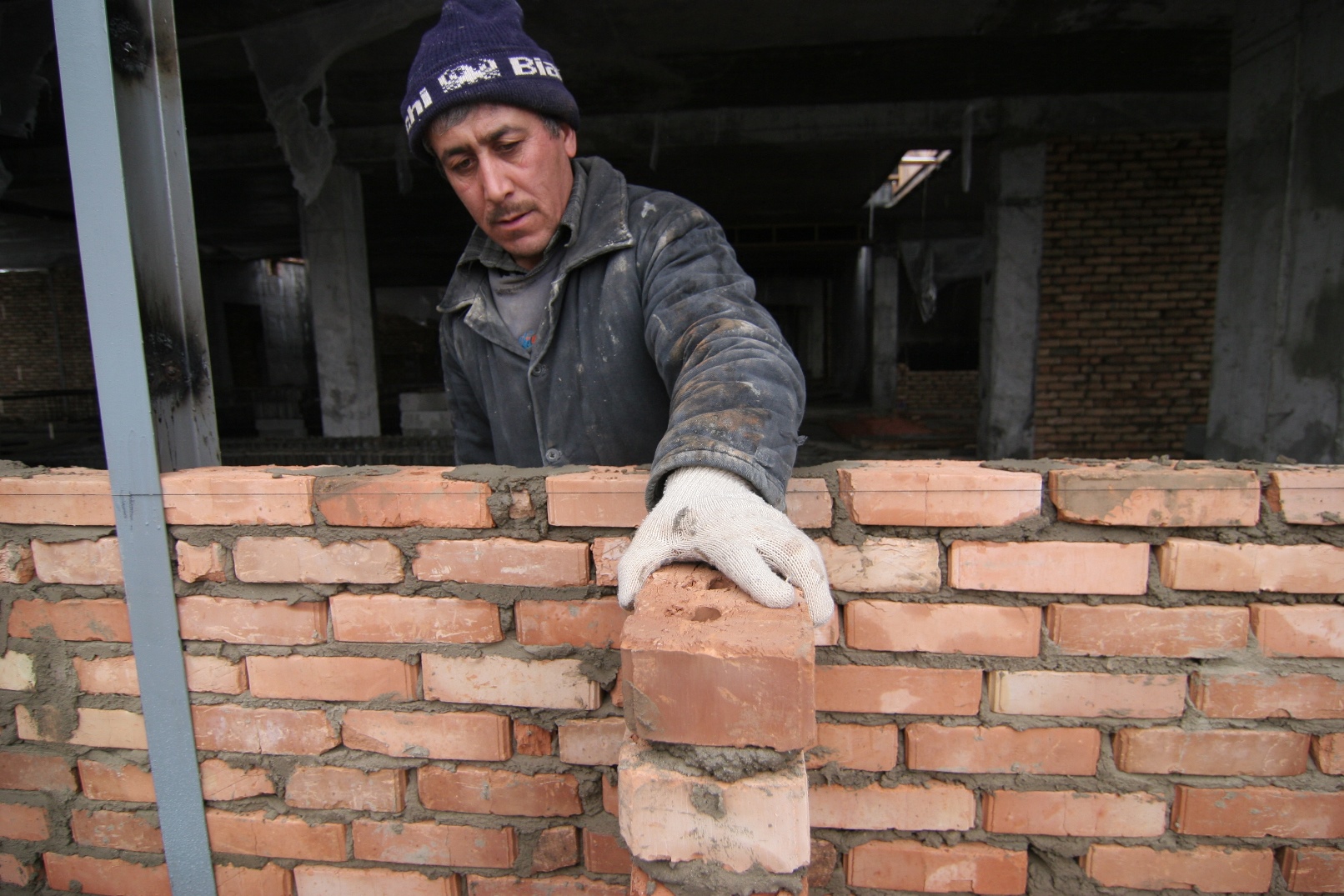
At the same time, according to the Ministry of Labor, Migration and Employment of the Population, in 2025, about 280,000 jobs were created, restored, and commissioned in the country. However, the employment structure remains problematic: only 74,000 jobs (26.2%) are permanent, whereas about 50,000 are temporary, and more than 152,000 are seasonal.
According to the Agency of Statistics under the President of the Republic, the unemployment rate in recent years has been no more than 2%.
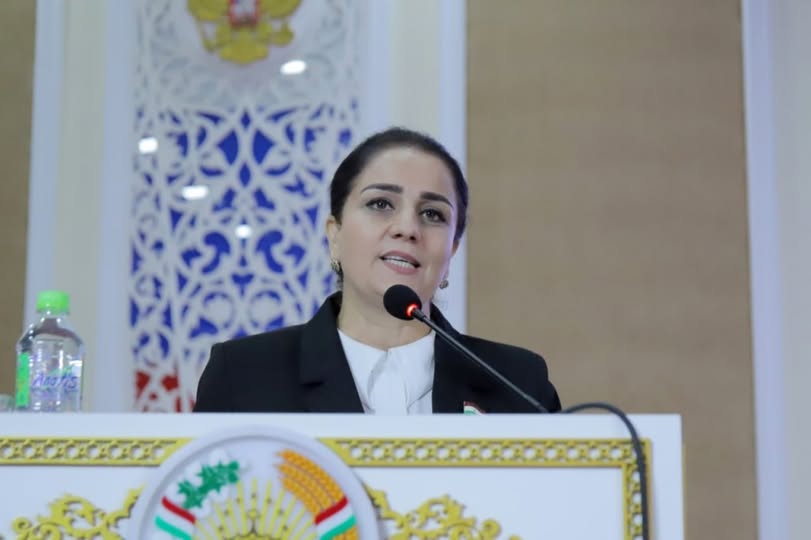
As noted by the Minister of Labor, Migration and Employment of the Population, Solekha Holmakhamadzoda, at a press conference summarizing 2025, this situation indicates a high dependency of the labor market on seasonal and temporary forms of employment, primarily in agriculture and services. At the same time, a significant part of the jobs were created thanks to entrepreneurship support and the development of self-employment, allowing many citizens to start their own business.
How do the authorities address the low employment problem?
In Tajikistan, the Concept for the Development of Productive Employment until 2040 was adopted back in 2022. It outlines solutions to several problems in this area.
Here are the main ones.
Job Creation
The Concept notes that the labor force reserve will remain stable and high, reaching approximately 7.6 million people by 2030.
The document also indicates that the unemployment rate is higher in rural areas than in cities. Unemployment among young people aged 15 to 29 is more than twice as high compared to people aged 30 to 75. As a result of implementing this Concept, the number of unemployed, especially among youths, is expected to decrease, and a balance between the working-age population and jobs will be ensured.
Three years ago, the authorities of Tajikistan stated that more than 100,000 new jobs would be created annually in the republic, but experts argue that given the economic situation, this is practically impossible.
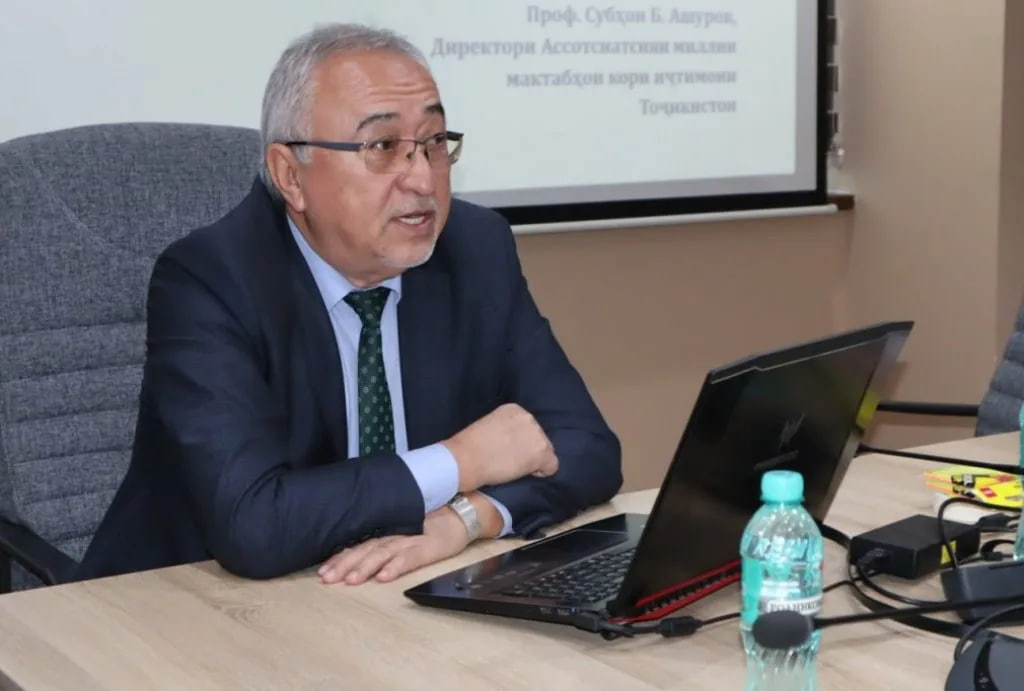
“If we were creating 100,000 jobs each year, we would have too many. From an economic standpoint, jobs are created only when production develops; they do not appear on their own,” says employment expert, Doctor of Economics Subhon Ashurov.
Creating a Competitive Domestic Labor Market
The domestic labor market in the country faces several serious problems. The lack of competitive salaries and the shortage of quality jobs have led qualified specialists to move abroad.
The level of qualifications and professional skills possessed by specialists working within the republic does not meet the requirements of the modern labor market.
The Concept notes a decrease in the share of wage labor relative to the total number of employed, with low wages in the wage labor sector mentioned as one of the main problems.
“The wages of the working-age population in the wage sector in agriculture, education, healthcare, and social protection are lower than the average across all economic sectors,” the document states.
Improving Professional Knowledge
In September 2024, it was reported that among young people aged 18 to 30 without a profession or specialty, there are more than 570,000 individuals. At the same time, the government intends to train about 1 million citizens of Tajikistan in a profession and craft by 2027.
The Concept states that the quality of the labor resources in the country is low and is an obstacle to productive development. One important point is that many jobs do not require higher professional education. This factor is linked to the insufficient competitiveness of the national economy, outdated technological base, low level of innovation activity, and high degree of wear and tear of fixed assets.
It is also noted that the share of educated people is lower than the share of those who do not have professional education.
A shortage of qualified specialists in technical specialties is noted, and the level of foreign language proficiency is considered unsatisfactory.
The President of the country, in his latest address to parliament, instructed that over the next five years, more than one million citizens undergo training in adult education centers.
Increasing the Share of Official Employment in the Economy
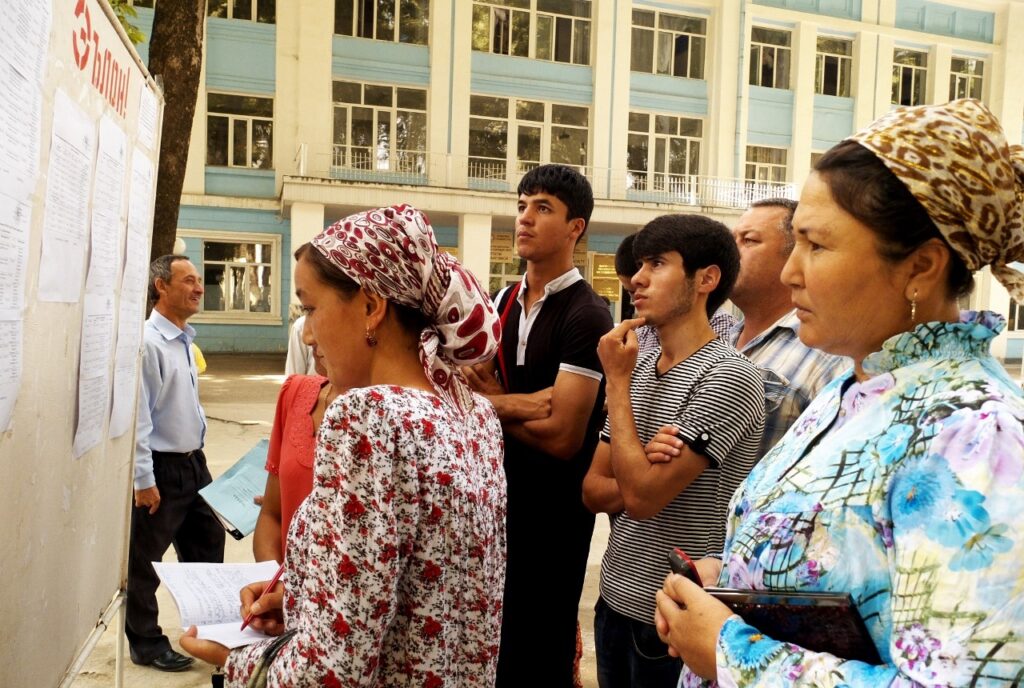
It is unknown what percentage of the working-age population in Tajikistan is employed in the informal sector, but experts claim that those working informally, despite heavy workloads, receive modest incomes and lack social support.
The “Concept for the Development of Productive Employment” only states that in 2016, the share of official employment compared to informal employment increased almost threefold (compared to 2009). What happened after 2016 is unclear, as this statistic is not provided.
The document also mentions that there is a high proportion of people with higher professional education working in the informal sector who are not employed in their specialty.
The majority of informal workers are among the youth aged 20-29 and 30-44.
Diversifying Labor Migration
One of the key aspects mentioned in the Concept is the concentration of labor migration in one country. Diversifying migration is one of the main goals of the document.
Meanwhile, it states that since 2014, labor migration has been declining, but still accounts for almost a quarter of the country’s labor resources.
According to economist Subhon Ashurov, one of the reasons citizens face difficulties in labor migration is their unpreparedness, namely the lack of a profession and language skills.
