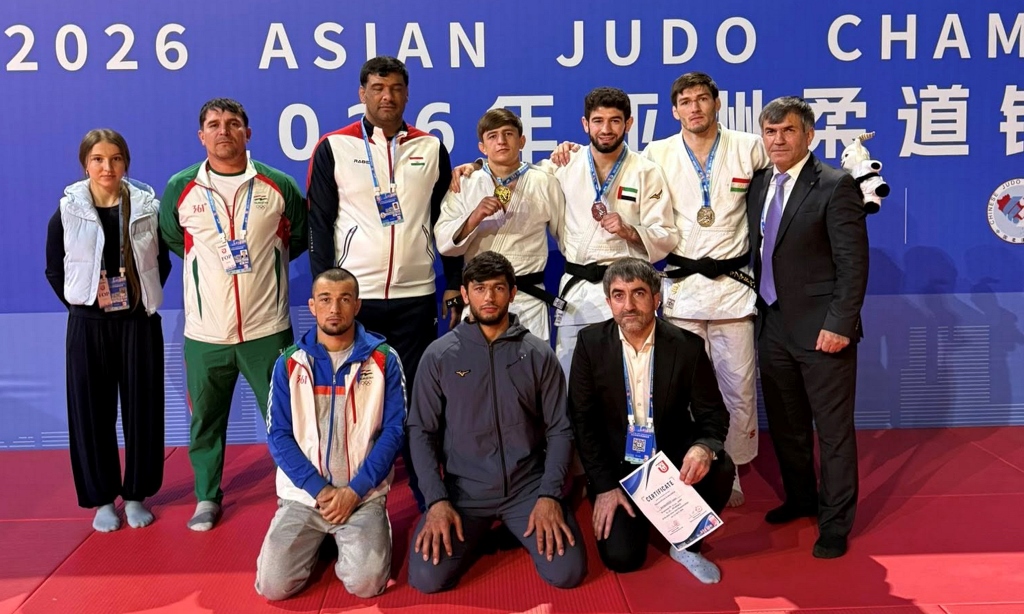
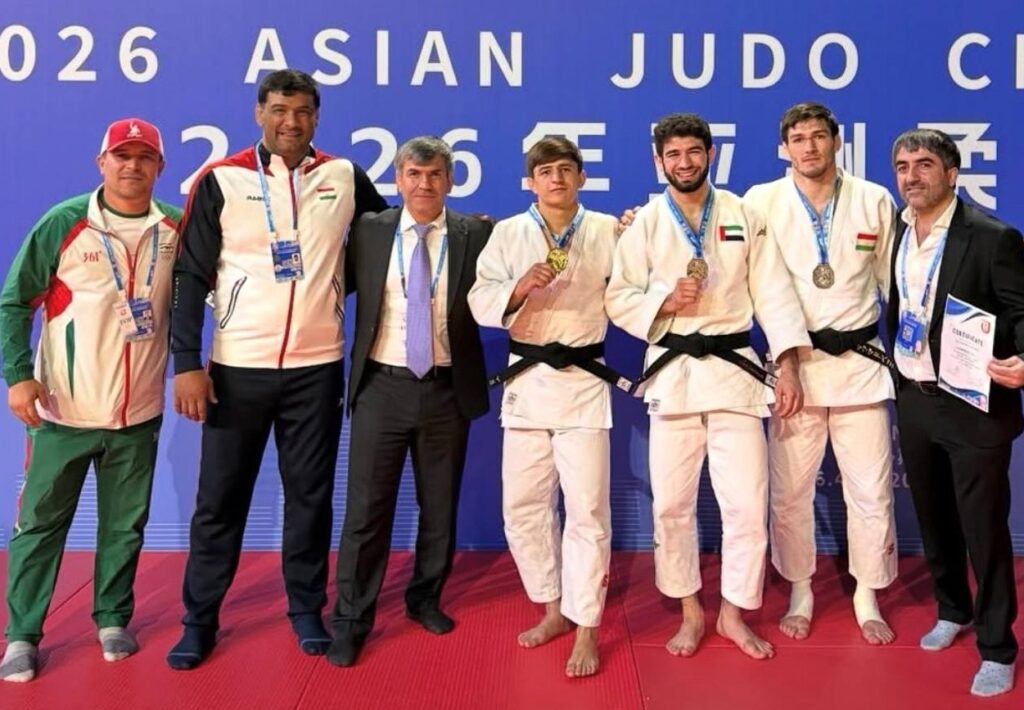
The national judo team of Tajikistan achieved one of the best results in its history by winning five medals at the Asian Championship in Ordos, China. With two gold, two silver, and one bronze medals, the team climbed to second place in the overall team standings for the first time.
The Asian Championship, held from April 16 to 19, became a breakthrough for the Tajik team. Initially, Emomali Nurali brought Tajikistan its first gold in the 66 kg weight category. He completed the tournament distance by defeating Mongolian athlete Unurbat Jantsandorj and Chinese athlete Hue Ziyang, and in the final, he was stronger than his compatriot Obid Jebov.
This bout was historic – for the first time, two representatives of Tajikistan met in the final of the Asian Championship. As a result, Nurali won gold, and Jebov added silver to the team’s collection, having overcome serious opponents from North Korea, Mongolia, and South Korea on his way to the final.
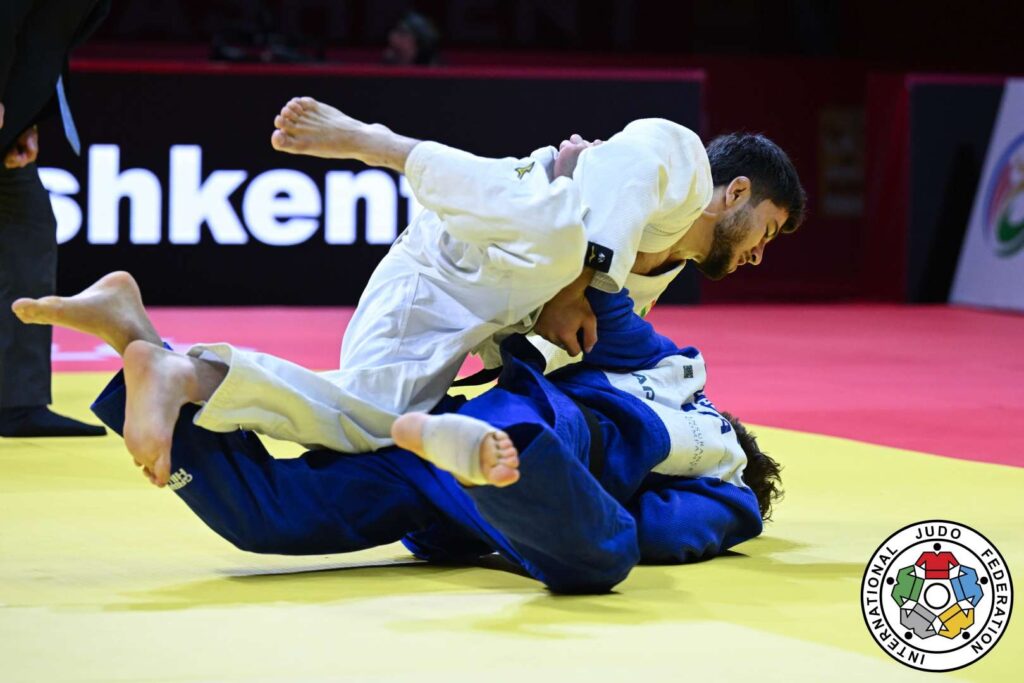
For Nurali, this title was his first at the Asian Championships and made him the second Tajik judoka in history, after Komronshohi Ustopiriyon, to become a continental champion.
The second gold was brought by Muhiddin Asadulloev in the 73 kg category. He began competing from the second round and successively defeated opponents from Kyrgyzstan, North Korea, and South Korea, and in the final, in a tense match, he overcame UAE representative Mahmadbek Mahmadbekov. This victory was his first at such a level.
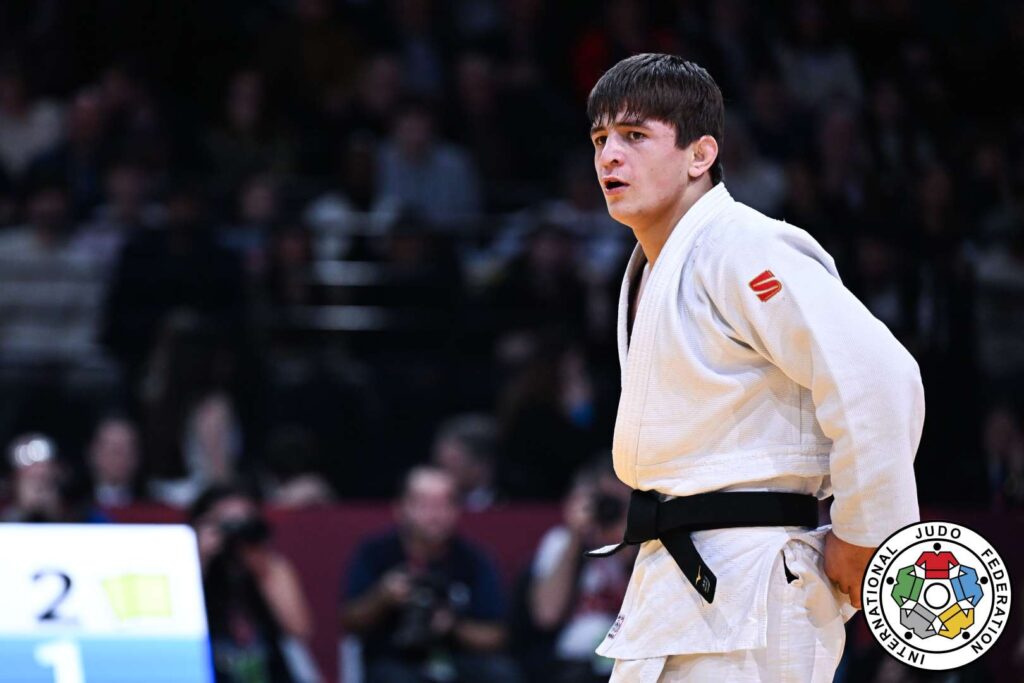
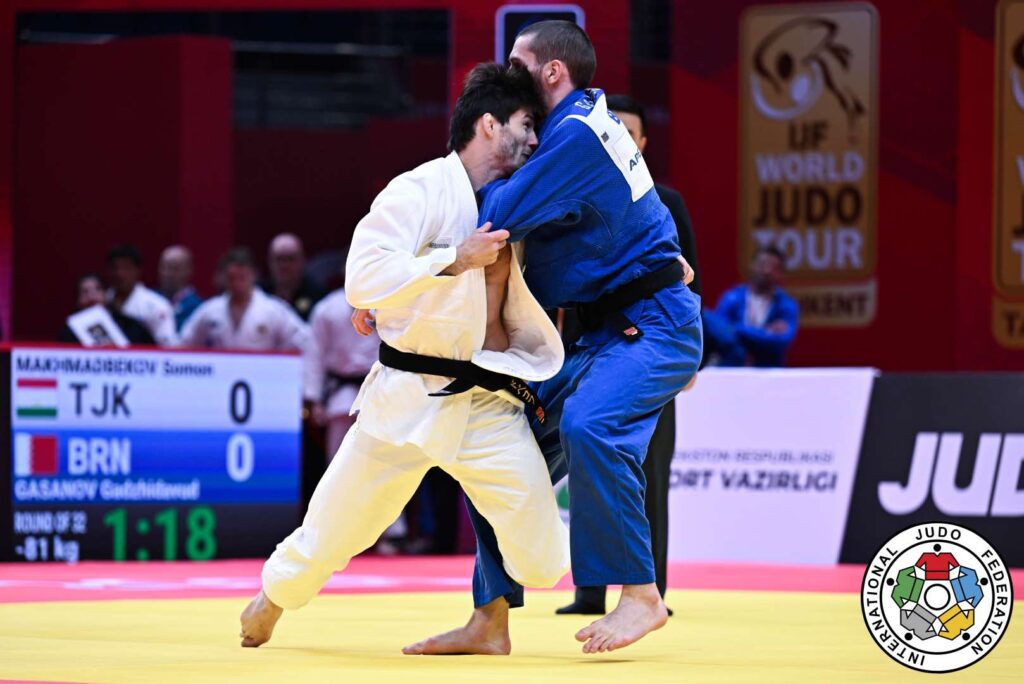
Another team leader, Somon Mahmadbekov, won a silver medal in the 81 kg weight category. He navigated the tournament grid by defeating opponents from Mongolia, Bahrain, and the UAE, but in the final, he lost to Kazakhstani Adilet Almat.
The only bronze for the team was brought by Madina Kurbonzoda in the 52 kg weight category. In the decisive match for third place, she defeated Hong Kong’s Shuk Ki Tsui.
This result was the best for Tajik female judokas at the Asian Championships and an important step in the development of women’s judo in the country.
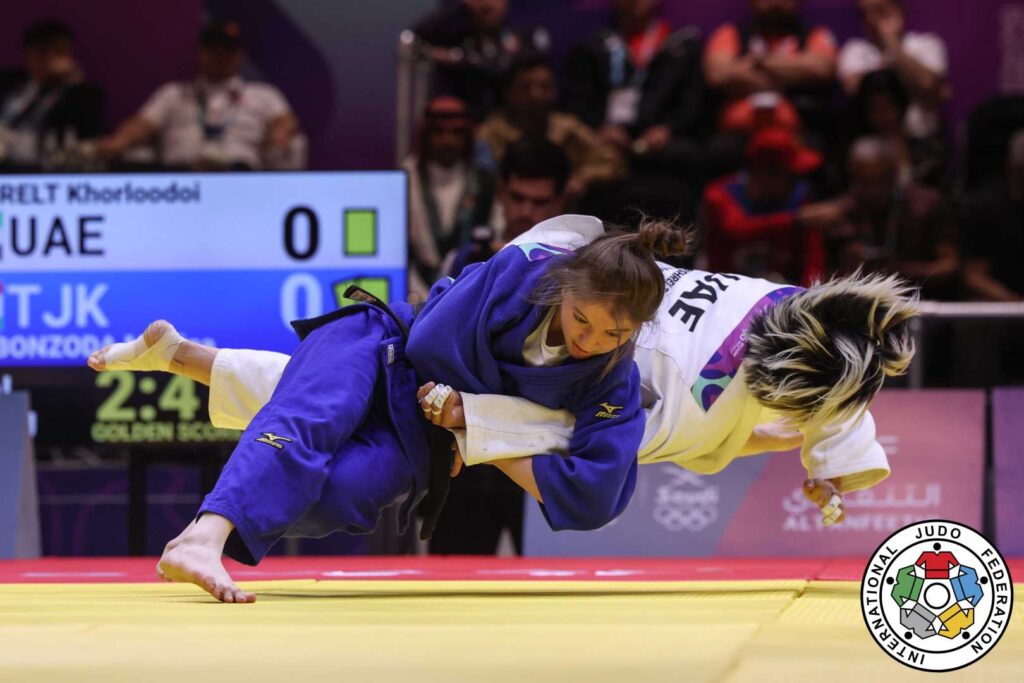
Several athletes came close to medals: Abdulloyi Orif (73 kg), Behruzi Khodjazoda (81 kg), Muhammad Abdudjalilzoda (90 kg), and Jahongir Majidov (100 kg) secured fifth places, while Mehrzod Sufiev (60 kg) and Viktoria Kiseleva (+78 kg) finished the tournament in seventh positions. Early exits were suffered by Akhliya Mu’minova and Alexandra Kan, who could not pass the preliminary stages.
A total of 197 athletes from 19 countries participated in the championship, and the Tajik team was represented by 13 judokas. In the men’s part of the tournament were: Mehrzod Sufiev (60 kg), Emomali Nurali, Obid Jebov (66 kg), Muhiddin Asadulloev, Abdulloyi Orif (73 kg), Somon Mahmadbekov, Behruzi Khodjazoda (81 kg), Muhammad Abdudjalilzoda (90 kg), Jahongir Majidov (100 kg).
In the women’s tournament, Tajikistan was represented by: Akhliya Mu’minova (48 kg), Madina Kurbonzoda (52 kg), Alexandra Kan (57 kg), Viktoria Kiseleva (+78 kg).
The Asian Championship holds a high status in the IJF system and directly affects the global ranking of athletes. The winner of the tournament receives 700 ranking points, the silver medalist receives 490, and the bronze medalists receive 350.
At the end of three days of competition, the team took second place in the overall standings, only behind Mongolia and ahead of China. This result was historic: previously, Tajik judokas had never risen so high in the team classification. For comparison, a year ago at the Asian Championship in Bangkok, the Tajik team won seven medals, but without any gold awards.
The Vice-Chairman of the Tajikistan Judo Federation, Ergash Mahmadbekov, shared his opinion on the team’s performance at the championship after the competition.
“Thanks to these results, the Tajikistan team took 2nd place in the overall individual medal count and 1st place among men’s teams. This is a vivid confirmation of the growth of Tajik judo and the effectiveness of the systemic work that has been carried out by the federation over the past three years.
This result was made possible by a long-term strategic approach, consistent work of the coaching staff, strengthening internal competition, long-term planning, and targeted preparation of athletes for key competitions.
Congratulations to all the winners and medalists, the coaching staff, specialists, and everyone who contributed to this historic success,” the specialist noted.